Open conversations, education seen as key to curbing underage sex in Malaysia
Many parents still avoid conversations about sex and relationships with their children, leaving a gap that predators and harmful influences often exploit.



SHAH ALAM - Reducing underage sexual intercourse is a complex challenge that cannot be solved with a single measure.
Child rights activists stressed that while laws were important, the deeper solution lies in comprehensive sex education, open family communication and creating safer environments for children and teenagers.
Yet in Malaysia, many parents still avoid conversations about sex and relationships with their children, leaving a gap that predators and harmful influences often exploit.
Consultant Paediatrician and Child-Disability Activist Datuk Dr Amar-Singh HSS said that reducing underage sexual intercourse is a complex issue with no single solution.
“Key strategies include comprehensive sex education, open communication and creating supportive environments.
“Currently our sex education for children is limited and does not empower our teens to navigate difficult situations, make informed decisions and develop refusal skills.
“Research shows that teens who have open and good communication with parents and teachers tend to delay sexual activity. Sadly, most parents in Malaysia do not engage their children in conversations about sex and relationships,” he told Sinar Daily.
Dr Amar-Singh said a wider cultural shift is necessary, stressing the importance of promoting healthy relationships in Malaysia by teaching young people about respect, boundaries and meaningful communication, while also creating safe mixed-gender group activities for teenagers.
He added that healthcare providers should be empowered to offer confidential sexual health services, address questions and provide guidance on contraception to help reduce teenage pregnancies.
Former Bar Council Child Rights Chairperson Kokila Vaani Vadiveloo echoed the same concern, stressing that preventive measures must go beyond the law.
“Preventive measures Malaysia should prioritise go beyond legal reform to include comprehensive sexuality education that is age-appropriate and culturally sensitive, covering consent, boundaries, respect and online safety.
“Parental education through workshops can equip caregivers to discuss these topics, supervise children’s online activities and recognise abuse signs.
“Stronger online safety regulations are needed to monitor and filter platforms, impose stricter penalties for grooming and child pornography and use technology to detect abuse,” she said when contacted.
Kokila, who is also a lawyer, said awareness campaigns involving the media, religious networks and community centres should focus on ending victim-blaming.
She stressed the importance of empowering children with knowledge of their rights and ways to seek help, while also strengthening institutional safeguards through clear policies and proper training for schools and religious organisations.
In response to recent calls for legal action against underage victims in consensual cases, she made her stance clear to policymakers and religious leaders: victims should never be treated or criminalised as offenders.
“The law’s purpose is to protect children, not punish them and this principle must guide all statements and policies. Legal frameworks should focus on protection, rehabilitation and restoration aligned with child rights norms.
“Religious and moral authorities wield significant influence and can play a positive role by offering protection and counselling instead of shame or punishment.
“When authority figures call for punishing minors, even in seemingly consensual situations, they compound the harm by exposing children to further abuse through societal condemnation and legal consequences,” she added.
The Broader Debate
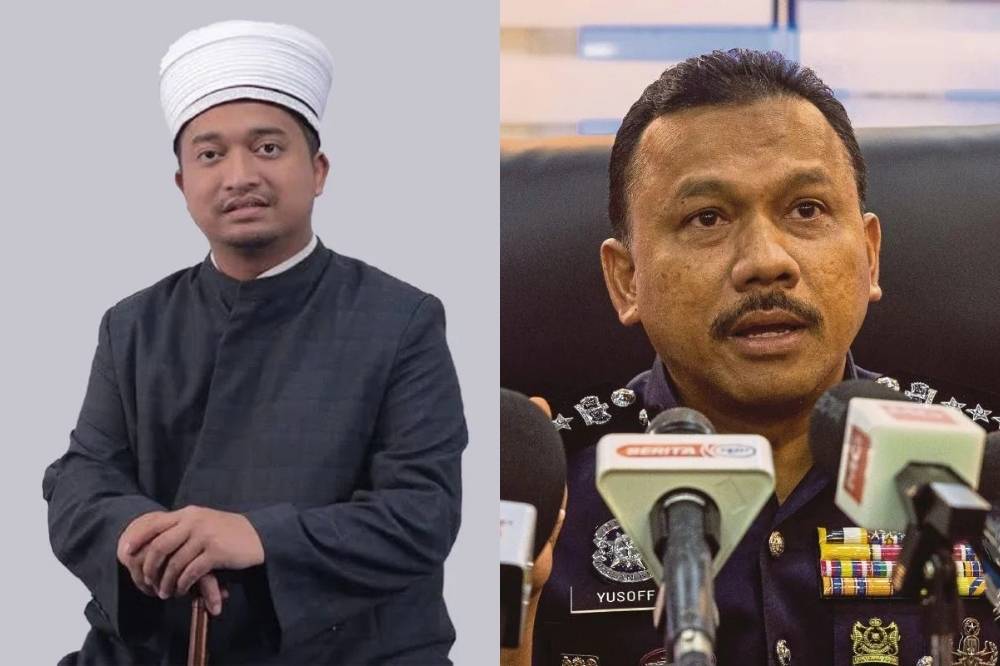
On Sept 22, the Federal Territories Mufti, Ahmad Fauwaz Fadzil, supported Kelantan Police Chief Datuk Mohd Yusoff Mamat’s proposal to prosecute complainants or victims if consensual underage sex was proven.
He said that current laws unfairly burden men while exempting women.
“Although the law defines sexual intercourse with an individual under 16 years old as rape, regardless of consent, it raises questions of fairness and the effectiveness of the law because women who also consent are not subjected to punishment,” he said.
His remarks followed Yusoff’s statement that nearly 90 per cent of underage rape cases in Kelantan involved mutual consent.
Fauwaz added that from an Islamic perspective, women should also be held accountable if proven guilty of zina (illicit sex).
In response, Women, Family and Community Development Minister Datuk Seri Nancy Shukri reiterated that minors involved in consensual sex need protection, not punishment.
“These children must be given the opportunity and space to learn from mistakes, recover and rebuild their lives without being burdened by long-term stigma or trauma,” she said, stressing the importance of counselling, education and support.
Public Reaction and Legal Tensions
The issue has polarised public opinion online. Many Malaysians rejected the idea of punishing underage girls, stressing that children lack maturity and require protection.
Others, however, questioned whether the law is fair, pointing to cases where boys faced institutionalisation at Henry Gurney Schools while girls were shielded under welfare protection.
One case in Kelantan earlier on Sept 4, highlighted the issue: an 11-year-old boy and his 15-year-old cousin engaged in sexual activity that resulted in pregnancy.
The boy was held by the police for interrogation while the girl was placed under the Social Welfare Department’s (JKM) care.
Critics argued that the boy may have been groomed, yet the law still categorised him as the offender.
This controversy spotlighted a deeper divide in Malaysian society: should the law remain focused on shielding girls as victims or should reforms introduce balanced accountability when both parties are minors?
Experts argued that the answer lies not in punishment, but in frameworks that protect children from exploitation while addressing adolescent relationships through education, guidance and rehabilitation.
Download Sinar Daily application.Click Here!


