A fresh chapter begins as Timor-Leste officially joins Asean
The country became fully sovereign in 2002, earning its place as the youngest nation in Asia.
NURSYAHMINA ZAINAL
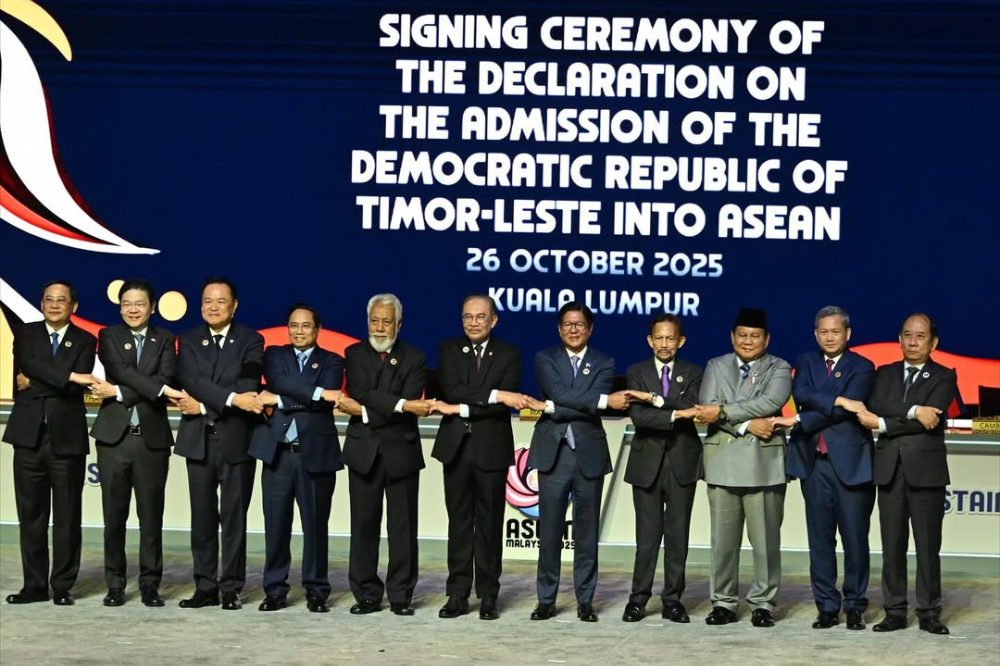
SHAH ALAM - Timor-Leste is now officially Asean’s newest member as it steps onto the regional stage with a mix of pride, resilience and renewed ambition.
Once shaped by colonisation, conflict and hard-won independence, Asia’s youngest nation entered this new chapter with determination to strengthen its global identity and deepen its ties with neighbouring countries.
Where Timor-Leste is and who they are today
Timor-Leste entered Asean as a young nation tucked between Indonesia and Australia, roughly the size of Kelantan.
The country reflected a rich, multicultural heritage shaped by centuries of political change with Tetum and Portuguese as its official languages and English as well as Indonesian being commonly spoken.
As Southeast Asia’s newest Asean member, Timor-Leste stepped into the spotlight with fresh optimism and a growing sense of regional identity.
Timor-Leste’s past war with Indonesia
After centuries of Portuguese colonisation, the territory experienced a violent occupation by Indonesia from 1975 to 1999, which resulted in widespread destruction and immense loss of life.
A United Nations-administered referendum eventually paved the way for independence, followed by years of peacekeeping, reconstruction and the rebuilding of political institutions.
The country finally became fully sovereign in 2002, earning its place as the youngest nation in Asia.
Why joining Asean matters for Timor-Leste
Timor-Leste had long viewed Asean membership as a strategic goal.
After enduring decades of conflict and instability, joining the regional bloc represented crucial political and economic security.
Asean offered the nation stronger diplomatic ties, enhanced cooperation with neighbouring countries and wider access to shared development initiatives.
For a young democracy still strengthening its foundations, becoming part of Asean marks an important commitment to regional unity, peace and long-term resilience.
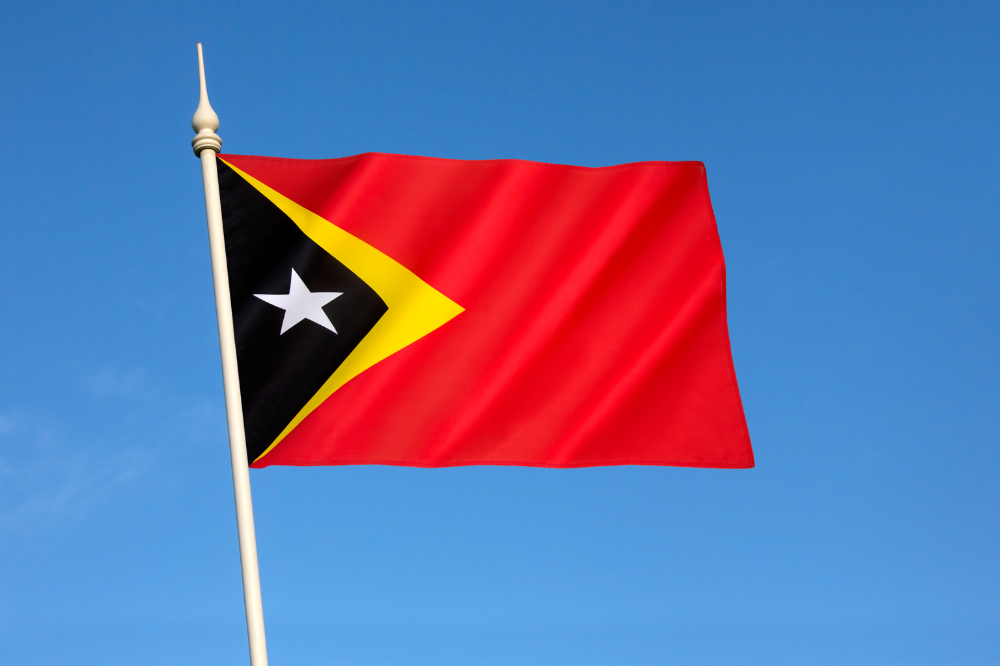
Timor-Leste’s economy and future growth
Timor-Leste had one of Asia’s smallest economies, which generated around 2 billion USD in gross domestic product (GDP).
The country had historically depended on oil and gas revenues but began broadening its economic landscape.
Their new efforts focused on agriculture, infrastructure expansion and tourism as key growth sectors.
With pristine coral reefs, dramatic highlands and natural beauty that was still largely untouched, Timor-Leste held promising potential for eco-tourism and international travel.
Timor-Leste’s entry into Asean marks a new beginning
As Timor-Leste moved forward from a turbulent past toward broader cooperation, stability, and long-term progress, its Asean membership signaled not just political recognition but a powerful moment of hope for its people and future generations.
For a nation shaped by resilience and hope, this new chapter offered the chance to amplify its voice within Southeast Asia, expand its economic prospects, and further solidify its place in the region’s future.
Download Sinar Daily application.Click Here!