Explainer: Why Malaysia will have 2 teachers in every classroom by 2027
The initiative is part of the government’s broader plan to balance academic excellence with strong moral values, discipline and integrity.


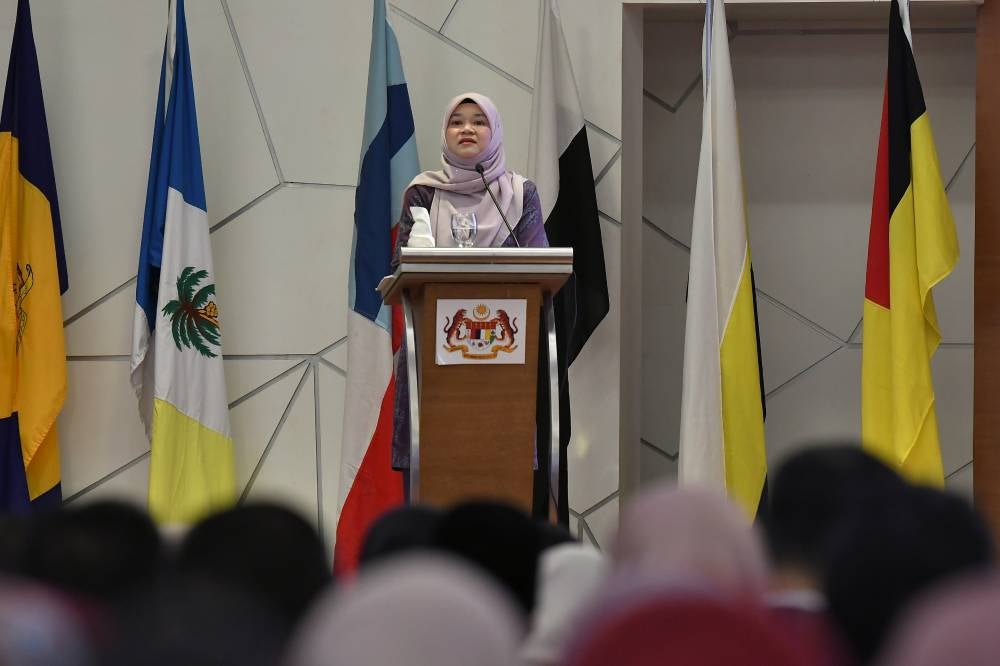
SHAH ALAM - Starting in 2027, Malaysian students can expect to see two teachers leading their classrooms, not as assistants and superiors, but as equal educators working side by side.
The move, part of a major education reform, aims to bridge learning gaps, make lessons more interactive and place character development at the heart of learning.
A Bold Shift in the 2027 Curriculum
The Education Ministry (MOE) is introducing a new co-teaching model under the 2027 school curriculum, where two qualified teachers will conduct lessons together in one classroom.
Education Minister Fadhlina Sidek told Berita Harian that the initiative is part of the government’s broader plan to balance academic excellence with strong moral values, discipline and integrity.
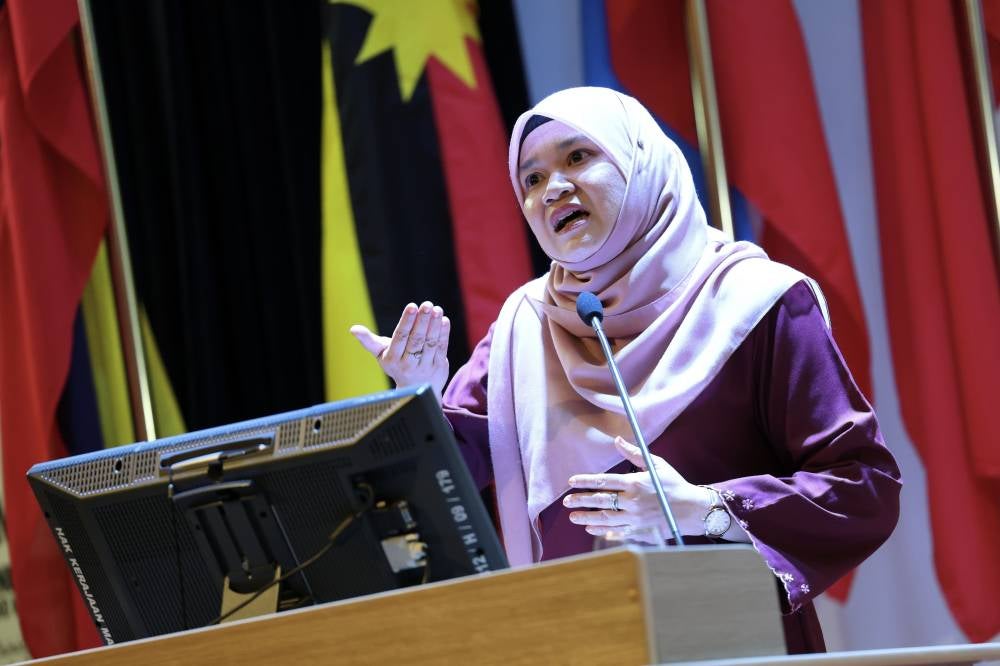
“It is not a case of a teacher being assisted by a teaching aide, but a combination of two equal educators working together to make lessons more effective and appealing to students,” Fadhlina reportedly said.
According to her, this active classroom collaboration will not only make lessons more engaging and creative but also ensure that every student receives adequate attention; a major step toward addressing learning loss and student dropouts.
What Is “Co-Teaching”?
Under this approach, two teachers will jointly plan, teach and assess a single group of students. This is not a mentor-assistant model but a partnership between equals, each bringing different expertise or methods to the lesson.
The system also allows for integrated learning, where subjects such as English, Science and Music can be combined into a single, more dynamic session.
Fadhlina said this method promotes interactive learning and encourages students to participate actively rather than passively listen.
“Co-teaching, which involves active classroom interaction, is the best way to ensure that every student receives proper attention and to address the issue of learning gaps,” she said.
Character Building at the Core
One of the defining aspects of the 2027 curriculum is its emphasis on character development.
Unlike the previous system, where moral education was confined to Pendidikan Islam or Pendidikan Moral, the new model requires all teachers; including those teaching Science, Mathematics and English, to incorporate moral and ethical values into their lessons.
To reinforce this, the ministry has allocated a 60-minute weekly Character Development Programme for both primary and secondary students.
“The new curriculum is designed to balance academic excellence with strong moral values, discipline and integrity,” Fadhlina said.
These sessions will include activities aimed at nurturing positive behaviour, empathy and civic-mindedness among students.
Tackling Overcrowding and Learning Gaps
The co-teaching system is also seen as a practical solution to overcrowded classrooms, a long-standing issue in Malaysian schools.
Fadhlina noted that the presence of two teachers allows for smaller group interactions within a larger class, helping educators better identify and support students who need extra help.
“Having two teachers in the same classroom can also address the issue of overcrowded classes, which often makes it difficult for students to focus and leads to learning gaps,” she said.
In some schools, two classes may be combined for certain co-taught sessions to maximise the benefits of shared teaching expertise.
Training Already Underway
To ensure a smooth rollout, the ministry has begun teacher upskilling and professional development programmes starting in the 2025/2026 academic session.
These training sessions introduce teachers to co-planning, co-instructing and co-assessing techniques, preparing them for the collaborative structure of co-teaching.
“Training sessions for the 2026 session have already begun this year, meaning that we will be fully prepared for the 2027 school year. Teachers are also ready for this integrated learning approach, which will be a new and enriching experience for them,” Fadhlina said.
She added that the system draws inspiration from successful models in other countries, where collaborative teaching has improved student engagement and teacher satisfaction.
Preparing Students for a Modern, Moral Future
With children today growing up in a digitally connected and distraction-filled world, Fadhlina believes Malaysia’s education system must evolve to stay relevant.
“Through this system, our children will benefit from a more interactive and engaging learning experience. Today’s students are more attached to gadgets, so we need a fresh and stimulating approach to help them stay focused in school,” she said.
The reform also marks a step towards modernising Malaysia’s national education system; fostering collaboration among teachers, promoting inclusive teaching and building a generation that is academically capable and morally grounded.
Download Sinar Daily application.Click Here!


