Blurry skies these days? Is it fog or haze in Selangor?
Residents are encouraged to monitor real-time updates via the APIMS website and take necessary precautions if conditions persist.


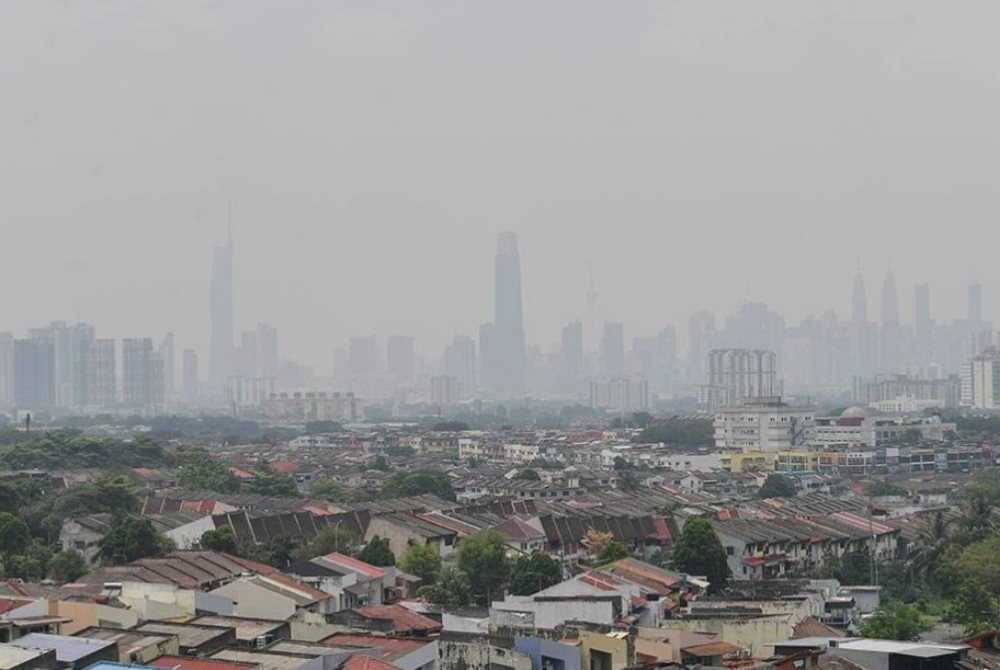
SHAH ALAM — If the skyline has looked more blurry than usual, you’re not imagining it.
Hourly data from the Malaysian Air Pollutant Index Management System (APIMS) shows that several areas in Selangor experienced a spike in air pollution levels on Feb 25, with some districts briefly crossing into the "Unhealthy" category.
While early morning readings were largely moderate, pollution levels began climbing steadily from mid-morning, with Klang recording the most significant surge.
Klang records highest spike
In Klang, the Air Pollutant Index (API) rose sharply from 99 at 1am to 162 by 2am and continued climbing throughout the day.
By 10am, the reading hit 174, before peaking at 176 between 1pm and 3pm, placing it firmly in the Unhealthy range (API 101–200). The level remained elevated into the evening, hovering around 175 to 177 before easing slightly near midnight.
Under Malaysia’s API classification:
0–50: Good
51–100: Moderate
101–200: Unhealthy
201–300: Very Unhealthy
Above 300: Hazardous
An Unhealthy reading means members of the public, especially children, senior citizens and those with respiratory or heart conditions, may experience health effects.
Upward trend across Selangor
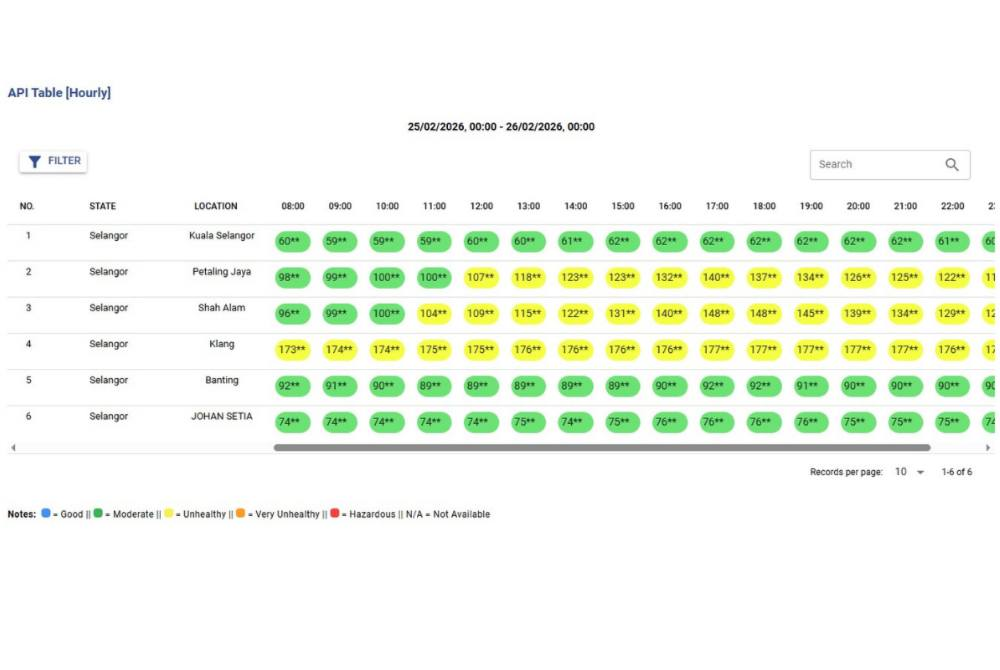
Other districts also saw a steady increase, though not as high as Klang.
Petaling Jaya climbed from 63 at midnight to 123 by early afternoon, entering the Unhealthy category for several hours.
Shah Alam rose from 64 to 122 by mid-afternoon.
Banting remained in the moderate range, fluctuating between 82 and 92.
Kuala Selangor stayed relatively stable at 56 to 61.
Johan Setia recorded readings between 61 and 75, also within moderate levels.
The APIMS data trend suggests a widespread deterioration in air quality during peak daylight hours, pointing more towards haze conditions rather than typical early-morning fog, which usually dissipates as temperatures rise.
Fog or haze?
Fog is generally caused by moisture condensation and tends to clear by mid-morning. Haze, however, is linked to suspended fine particles in the air, often from open burning, industrial activity or transboundary sources and can persist throughout the day.
With multiple stations breaching the 100 mark and remaining elevated into the afternoon, the reduced visibility across parts of Selangor is more consistent with haze rather than natural fog.
What you should do during haze
Authorities advise the public to take precautionary measures when air quality deteriorates:
- Do not carry out open burning.
- Extinguish small fires immediately or report them to 999.
- Seek treatment at a hospital or clinic if symptoms worsen, especially for asthma patients or those experiencing eye irritation, cough, flu or heart-related issues.
- Wear a proper face mask covering the nose and mouth when outdoors at all times.
- Stay indoors as much as possible and avoid unnecessary outdoor exposure.
- Reduce aggressive outdoor activities, recreation or sports.
- Drink plenty of water.
- Switch on vehicle headlights when visibility is reduced.
As of early Feb 26, readings in some areas showed a slight downward trend but remained elevated in parts of Selangor.
Residents are encouraged to monitor real-time updates via the APIMS website and take necessary precautions if conditions persist.
If the horizon looks faint and distant buildings appear washed out, it may not just be morning mist, the numbers suggest haze is in the air.
Download Sinar Daily application.Click Here!