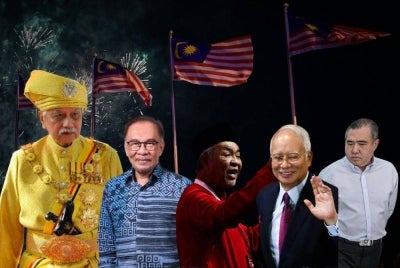
Johor Election Night: Five Numbers That Will Tell the Real Story
From turnout rates to urban battlegrounds, the election's most important clues may emerge long before the final seat tally is known.



WHEN the first ballot boxes are opened on July 11, Johor's election will not be defined solely by who wins the most seats. The bigger story will lie in the numbers behind the results.
Will Barisan Nasional's machinery still deliver? Has Pakatan Harapan regained its appeal among urban voters? Can Perikatan Nasional convert voter dissatisfaction into seats?
With all 56 state seats in play and many multi-cornered contests, several key indicators could reveal the direction of Johor politics long before the final tally is known.
1.Turnout: The Night's First Signal
Turnout may be the most important figure of all.
A strong turnout would suggest that voters who stayed away in previous elections have returned to the ballot box, potentially benefiting parties that have successfully energised their supporters.
A lower turnout, meanwhile, could favour the coalition with the strongest grassroots machinery and most disciplined voter base.
In Johor, where many voters work in Singapore or live outside their constituencies, turnout patterns will be especially telling.
The key question is not who has more supporters, but who managed to get them home to vote.
A high turnout among younger voters would also provide an early indication of whether campaign messages have resonated with a new generation of Johoreans.

2. Urban Seats: Johor's Political Bellwether
Urban constituencies will offer one of the clearest signals of whether Johor's political landscape is changing.
Seats such as Skudai, Stulang, Perling, Senai and Johor Jaya represent a different Johor — younger, more connected and increasingly concerned with governance, wages and quality of life.
A strong BN showing would suggest that its message of stability and development is extending beyond its traditional base.
Strong PH performances would indicate that the coalition continues to command support among urban and middle-class voters.
Unexpected PN gains could point to a broader realignment of voter sentiment.
The urban vote may ultimately determine whether Johor remains a BN stronghold or evolves into a more competitive political battleground.
3. Malay-Majority Seats: Testing BN's Core Support
Perhaps the biggest question of the night is whether BN can maintain its dominance in Malay-majority constituencies.
Malay voters played a decisive role in shaping Johor's political landscape in recent elections. BN's challenge is to retain that support while preventing PN from making significant inroads.
Analysts will be watching three key trends: whether Malay voters remain loyal to BN, whether PN can translate dissatisfaction into victories, and where undecided voters ultimately cast their ballots.
In closely contested seats, even a small swing could have an outsized impact on the final outcome.
4. Margins Matter More Than Seats
The headlines will focus on winners and losers, but the margins may tell the deeper story.
A party can lose a seat yet emerge encouraged if the gap narrows significantly. Likewise, a comfortable victory may conceal warning signs if a previously large majority shrinks.
Comparisons with the 2022 Johor election will be crucial.
Did BN increase its winning margins? Has PH regained lost ground? Has PN expanded beyond its previous foothold? Have new candidates outperformed expectations? The movement of votes, not just the distribution of seats, will shape perceptions of who truly gained momentum.
5. Early Results: The Political Barometer
Certain constituencies will act as early indicators of the night's direction.
If BN comfortably defends key seats, confidence will grow that its organisational strength remains intact.
If PH holds or captures urban battlegrounds, it will signal that resistance to BN remains strong.
If PN wins unexpected constituencies, particularly outside its traditional areas, the political narrative could shift dramatically.
Election nights are often defined less by expected victories than by surprising defeats.
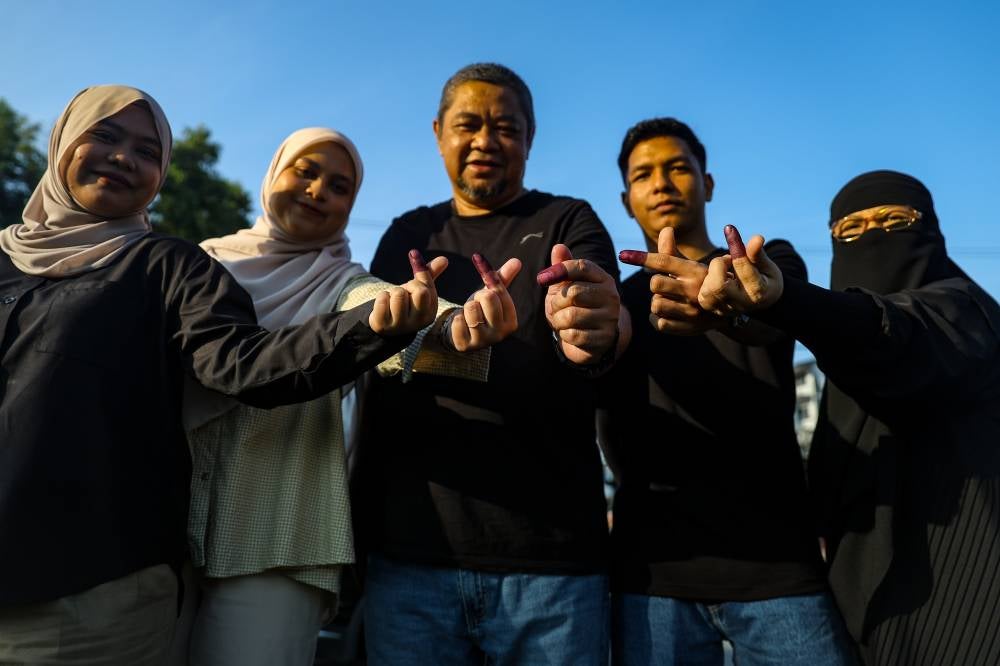
By 10pm, the central question may no longer be who is leading, but what kind of Johor has emerged from the ballot box.
A convincing BN victory would reinforce the perception that Johor remains its fortress. A reduced majority could suggest voters still value stability but want stronger performance and accountability.
An opposition breakthrough, meanwhile, would rank among the most significant political shifts in the state's recent history.
The numbers flashing across screens that night will reveal more than who won. They will show whether Johoreans are choosing continuity, demanding change, or moving towards a more competitive political future.
Because in Johor, the most important story may not be who wins — but by how much.
Download Sinar Daily application.Click Here!