Why Malaysians are not buying into SEA Games mascot, Tuah
The futuristic mascot was meant to symbolise innovation and unity. Instead, it has sparked questions about identity, creativity and whether Malaysia has lost touch with its own culture.
LIDIANA ROSLI
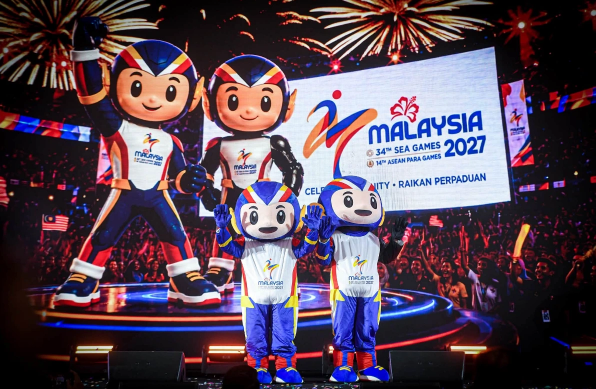
SHAH ALAM - The unveiling of the official theme, logo and mascot for the 2027 SEA Games and Asean Para Games has sparked a wave of online criticism, with much of the backlash centred on the event's futuristic robot mascot, Tuah.
Introduced by the Youth and Sports Ministry on Monday, Tuah, the humanoid robot will serve as the official mascot for both the SEA Games and Asean Para Games, which Malaysia will host in 2027.
While organisers intended Tuah to represent innovation, inclusivity and the future, critics have questioned whether the mascot adequately reflects Malaysia's cultural identity as the host nation.
Some users described the character as generic, arguing that while a futuristic concept was not inherently problematic, it should still incorporate recognisable Malaysian elements.
One Threads user noted that mascots traditionally serve as cultural ambassadors, whether through iconic national animals or designs rooted in local heritage.
"The 2027 SEA Games mascot doesn't seem to have any meaningful connection to Malaysia as the host nation. A futuristic character can still be distinctly Malaysian by incorporating local elements into its design," the user wrote.
Others questioned why organisers did not collaborate with established Malaysian animation studios such as Monsta and Les' Copaque, whose intellectual properties have gained international recognition and helped elevate the country's reputation in animation.
The controversy also fuelled speculation that artificial intelligence may have been used in creating the mascot, although the ministry has not addressed those claims.
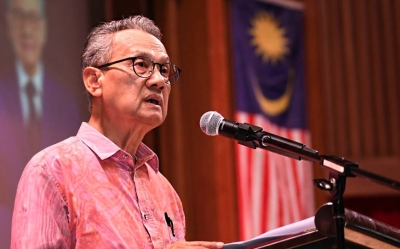
Defending the concept, Youth and Sports Minister Datuk Dr Mohamed Taufiq Johari said the ministry had deliberately moved away from conventional animal mascots in favour of a character that reflects a more technology-driven future.
"We designed the mascot for both the 2027 SEA Games and the Asean Para Games. If you look closely, the Para Games version is represented with a robotic arm," he said during the launch.
He added that the Jalur Gemilang colours incorporated into the design were intended to reinforce Tuah's Malaysian identity.
Alongside the mascot, the ministry unveiled the official theme, Raikan Perpaduan (Celebrating Unity), which it said reflects Malaysia's belief that unity remains its greatest strength while symbolising the shared spirit of Asean member states.
According to the ministry, the official logo represents Malaysia's aspiration to unite Southeast Asia through sport.
Mohamed Taufiq stressed that the theme was more than a branding exercise.
"It reflects a resilient spirit of unity and represents the future of regional sports. At the same time, it serves as an inspiration for athletes to surpass their own expectations in achieving success," he said.

The backlash has drawn comparisons with the controversial launch of the original Visit Malaysia 2020 logo in 2018, another national branding exercise that quickly became the subject of public debate.
The logo, unveiled with the tagline "Travel. Enjoy. Respect.", was widely criticised online over its typography and retro-style illustrations. Then tourism minister Datuk Seri Mohamed Nazri Abdul Aziz defended the design, saying it had been produced by the ministry's in-house team and that criticism was inevitable.
However, after then prime minister Tun Dr Mahathir Mohamad publicly criticised the logo, the ministry withdrew it and launched a nationwide design competition.
The eventual winning design, created by then 23-year-old Malacca graphic designer Alfred Phua Hong Fook, showcased Malaysia's cultural diversity, heritage, flora and fauna. Although adopted as the official logo, the campaign was ultimately overshadowed by the Covid-19 pandemic, which brought global tourism to a standstill in 2020.
Whether Tuah follows a similar path, transforming from a source of controversy into a symbol embraced by Malaysians, remains to be seen.
Download Sinar Daily application.Click Here!