Legal entry points need stronger systems to detect suspicious arrivals, expert says amid Forest City controversy
The use of second-country passports can complicate efforts to establish a traveller's complete identity.
NATASYA AZHARI
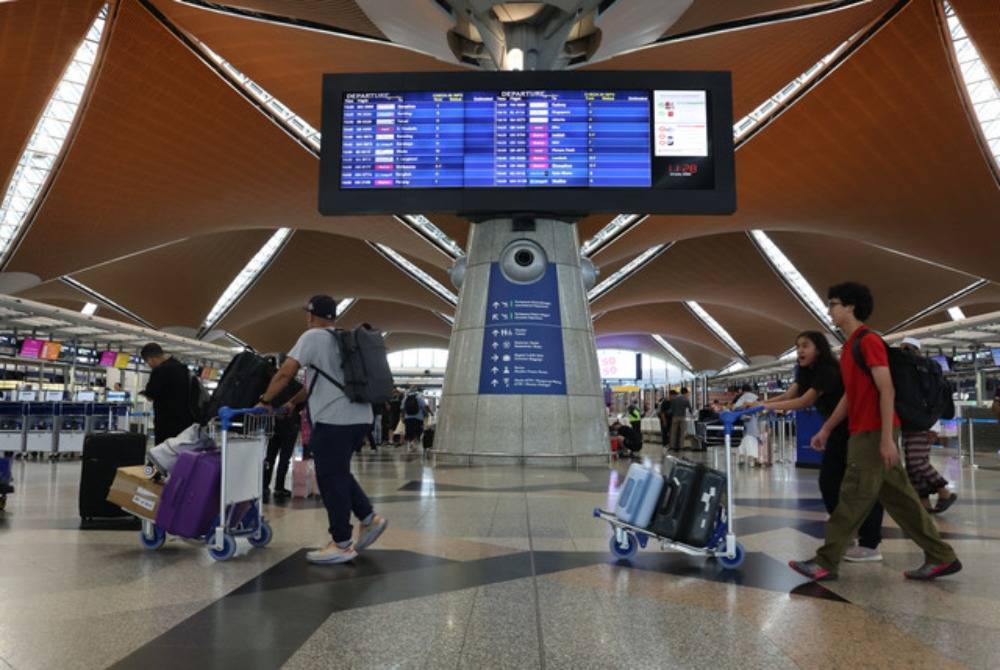
SHAH ALAM – Allegations that Israeli nationals entered Malaysia through legal channels have highlighted the difficulties authorities face in identifying potential security threats among travellers carrying valid travel documents, a security expert said.
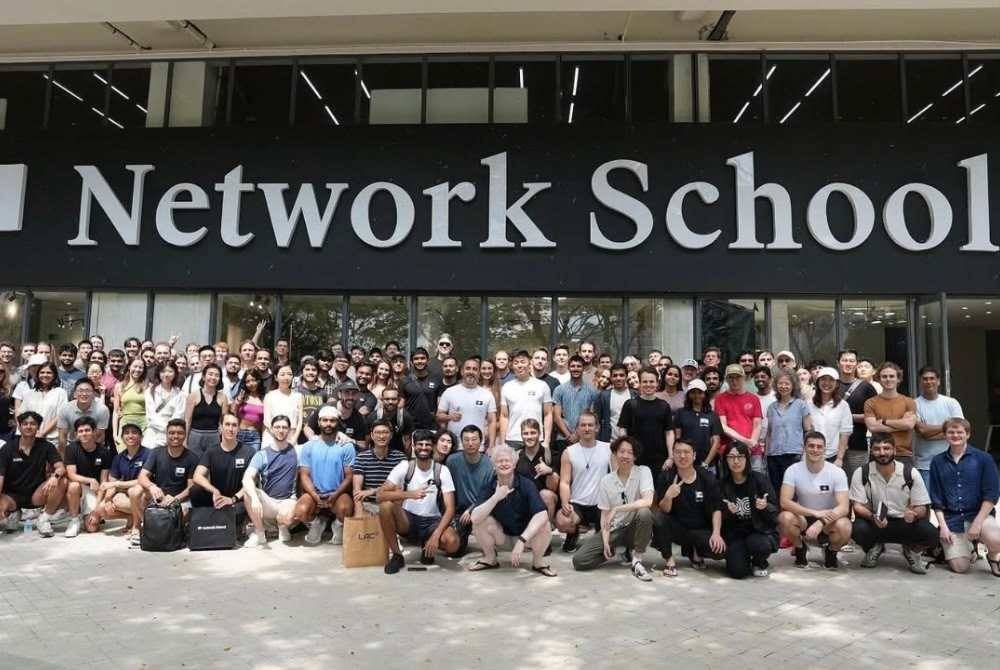
The issue arose following claims that Israeli nationals participated in the Network School programme at Forest City, Johor, using passports issued by other countries.
While their reported entry was legal based on the documents presented, the controversy has sparked questions over whether Malaysia's existing screening mechanisms are capable of identifying individuals whose full background may not be apparent from their travel documents alone.
A security expert, who requested anonymity, said the use of second-country passports can complicate efforts to establish a traveller's complete identity, as immigration checks are generally conducted based on the passport presented at the point of entry.
"Travellers holding passports issued by international organisations, such as the United Nations, would also not raise immediate red flags, as such documents are not inherently invalid under national immigration law,” he said.
Asked how Malaysia could strengthen security at its borders, the expert said one approach was to assess whether a traveller's appearance was broadly consistent with the nationality stated on the passport, although he acknowledged the limitations of such a method.
The expert also warned against placing excessive emphasis on monitoring passengers from particular flights, saying such practices could amount to profiling.
"By focusing on certain flights, we may be practising profiling, which is a bad word in terms of human rights and travel rights. I mean, they can do it, but for the sake of security, just don't make it too obvious," he said when contacted.
He said the greater challenge for authorities was determining a traveller's true purpose for entering the country, noting that declared visits were easier to assess than concealed intentions.
"If there are other people who do not declare, maybe they have other intentions, either for tourism, business purposes or other hidden intentions. Hidden intentions are difficult to detect," he said.
The expert cited the 2022 case involving a Mossad agent linked to the attempted kidnapping of a Palestinian lecturer in Malaysia as an example of security gaps that can persist despite existing safeguards.
He added that identifying undeclared or unlawful activities ultimately depended on intelligence gathering and coordination among the Immigration Department, Customs Department and police, although monitoring every traveller entering the country remained a significant challenge.
Meanwhile, economist Dr Geoffrey Williams cautioned that the issue should be handled carefully, warning that it could create unnecessary uncertainty among international investors if not managed appropriately.
Download Sinar Daily application.Click Here!