Can entering a hospital mortuary pose health risks? Here's what doctors say
The question surfaced after a behind-the-scenes video of a TV show circulated on social media showing an individual lying inside what appeared to be a real mortuary drawer and body bag.


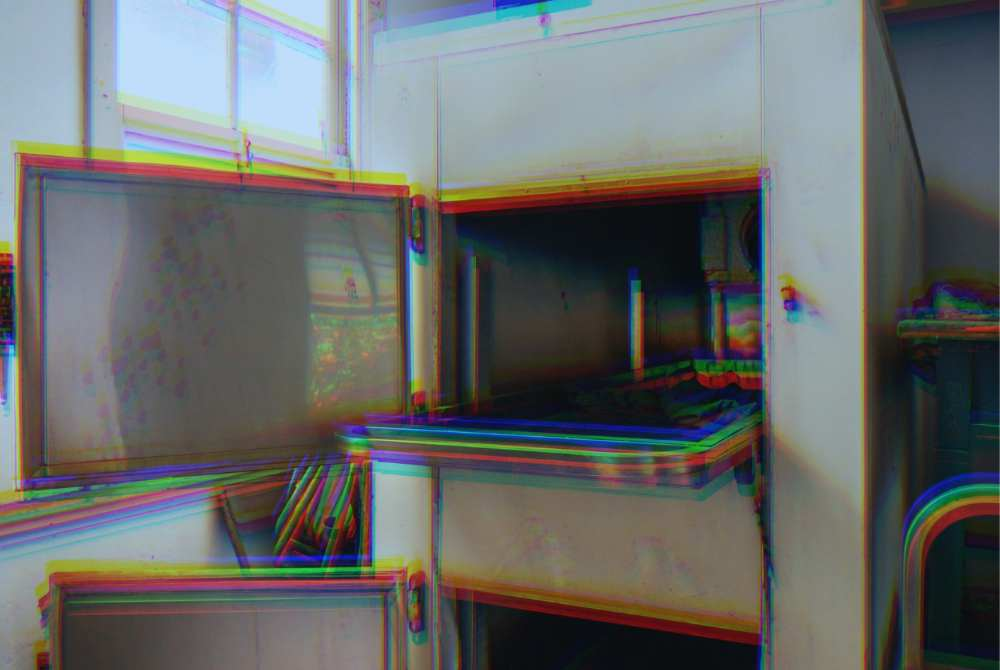
SHAH ALAM – Is it safe to enter a real hospital mortuary, particularly one that was recently used to receive a body?
The question surfaced after a behind-the-scenes video of a TV show circulated on social media showing an individual lying inside what appeared to be a real mortuary drawer and body bag.
The clip sparked concern among netizens, with many questioning whether entering such a space could expose someone to bacteria, fungi or other infectious diseases.
Medical experts said while the concern is understandable, a properly managed hospital mortuary is designed to operate under strict infection prevention and environmental hygiene standards.
Avisena Specialist Hospital 2 consultant emergency physician Dr Noriani Daud said it was important for the public to understand that a hospital mortuary is a controlled clinical environment.
"While the setting may appear intimidating to the public, a properly managed mortuary is not inherently an unsafe environment," she told Sinar Daily.

Dr Noriani, who also heads the hospital's emergency department and mortuary service explained that from a medical standpoint, entering a hospital mortuary for non-clinical purposes can be done safely, provided strict infection prevention, environmental cleaning and occupational safety protocols are followed.
She said hospital mortuaries undergo routine cleaning and disinfection and surfaces are maintained according to healthcare hygiene standards.
"If the facility has been properly cleaned and there is no ongoing handling of human remains, the risk of infection is generally very low," she added.
However, she stressed that any non-clinical activity should never interfere with the mortuary's primary function.
"If a deceased patient is received while the space is being used, all activities should stop immediately to allow healthcare personnel to carry out their responsibilities.
"The area should then undergo the necessary cleaning and disinfection before it is used again," she said.
Dr Noriani also emphasised that clinical equipment must never be repurposed for non-medical use.
She said body bags used for deceased patients are single-use medical items and should never be reused under any circumstances. If a body bag is required, a new unused item or a replica intended for non-clinical purposes should be used instead.
Similarly, she said mortuary drawers or storage compartments should only be accessed after they have been thoroughly cleaned and disinfected and only when they are not required for clinical operations.
Beyond health and safety, Dr Noriani said respect and dignity must always be maintained.
"A mortuary is a place where healthcare professionals continue caring for patients after death while families are often experiencing one of the most difficult moments of their lives.
"Any use of the facility must be carried out with sensitivity. No deceased individual, identifying information or grieving family members should ever be visible or compromised in any way," she said.
She added that formal approval from hospital management should always be obtained beforehand, with close coordination between users and mortuary staff to ensure hospital operations remain uninterrupted.

Meanwhile, Careninja PLT founder and medical doctor Dr Zamir Hilman said the likelihood of infection would depend largely on whether proper cleaning and disinfection had taken place.
He noted that if a deceased person had an infectious disease, such as tuberculosis, there could potentially be microorganisms present.
"However, hospital mortuary facilities are generally cleaned and disinfected after use. If the area has been thoroughly sanitised, it should be safe," he said.
Dr Zamir who is also a metabolic and gut health physician added that an individual's immune system also plays an important role.
"Someone with a weaker immune system is naturally more susceptible to infections. But if the mortuary has been properly cleaned and a person has a healthy immune system, I don't think entering the space a few hours later would be a major concern," he said.
He also said there were generally no major ethical concerns if only the location was being used and no actual deceased person was involved.
"It would be a different matter if a real deceased person or identifiable images of the deceased were used. That would require proper consent and permission from the relevant parties, including the hospital," he added.
Dr Noriani advised that anyone intending to use a hospital mortuary for non-clinical purposes should first obtain formal approval from hospital management, coordinate closely with mortuary staff, ensure only areas declared safe are accessed, avoid using clinical consumables or equipment involved in patient care and comply with all hospital infection prevention measures.
She added that while entering a hospital mortuary can be safe under the right conditions, health and safety protocols should never be overlooked.
"Clinical environments carry inherent risks if proper protocols are not followed.
"Working closely with the hospital, using appropriate equipment and adhering to infection prevention measures are essential to protect everyone involved while maintaining respect for the clinical setting," she said.
Earlier, the discussion began after a behind-the-scenes video on Threads showed an individual inside what appeared to be a real hospital mortuary shortly after it had reportedly been used to receive a deceased person.
The clip prompted mixed reactions online, with many expressing concern over possible health risks.
One user, @harrisehsanhakim, who identified themselves as being from the forensic department at Hospital Sultan Ismail (HSI), advised the individual to undergo a health screening.
"Please get a health screening after this. A dead body can carry viruses and germs, especially if the person died from an infection. Fungi can also spread through the air inside the compartment. If a fungal infection occurs, the risks can be serious. Take my advice," the user wrote.
Another user, @drohsem1, warned that entering and being enclosed inside a mortuary compartment could expose someone to potential health hazards.
"If you really went into a mortuary freezer and it was closed, you've just put yourself at significant health risk. From fungal infections to MRSA and viruses on the surface of the body, I hope you'll be okay. If not, was the risk worth it?," the comment read.
Another comment, @ayunizyusof, questioned whether any amount of cleaning could completely eliminate the risk.
"This isn't just about being brave. There's a real risk of infection and disease. No matter how thoroughly a compartment is cleaned, it is still cleaned by humans and some areas could be missed. Hopefully everyone involved is protected from anything harmful," the user commented.
While the online discussion raised concerns over bacteria, fungi and viruses, medical experts stressed that a properly managed hospital mortuary follows strict infection control and hygiene protocols, making the risk of infection generally very low when the facility has been appropriately cleaned and all safety procedures are observed.
Download Sinar Daily application.Click Here!