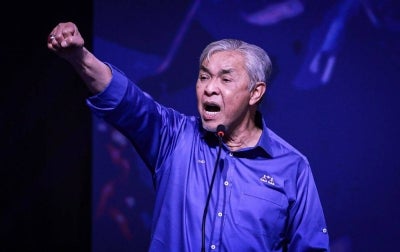
BN-PN understanding widens political divide but falls short of fracturing unity government, says analyst
The development reflected a clash between state-level electoral strategies and the need to preserve stability within the Federal Government.


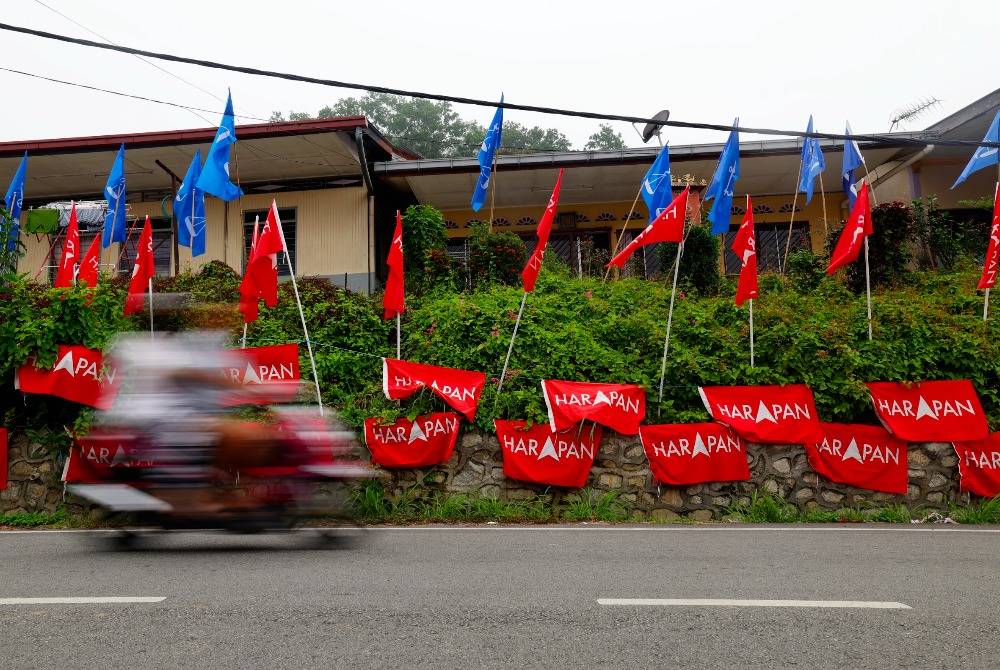
PUTRAJAYA – The understanding between Barisan Nasional (BN) and Perikatan Nasional (PN) for the Negeri Sembilan state election is widening the political perception gap between BN and Pakatan Harapan (PH), but it does not signal a split within the unity government.
Ilham Centre research fellow Mujibu Abd Muis said the development reflected a clash between state-level electoral strategies and the need to preserve stability within the Federal Government.
“In my view, yes, from a political perception standpoint, the gap appears to be widening, but it does not necessarily mean the unity government is heading towards a split.
“What is happening reflects the conflict between electoral logic and the logic of governance,” he said when asked to comment on the controversy surrounding the BN-PN understanding for the Negeri Sembilan state election, which prompted several PH leaders to call for a review of the coalition’s cooperation with BN in the unity government.
Mujibu said BN and PH still shared a common interest in maintaining the stability of the Federal Government despite pursuing different political strategies at the state level.
He said both coalitions were seeking to maximise their electoral gains in Negeri Sembilan while continuing to cooperate in Putrajaya.
According to him, the BN-PN understanding had led PH to question BN’s commitment to the spirit of the unity government.
However, he said BN could argue that the move was purely an electoral strategy that did not necessarily alter its position within the Federal Government.
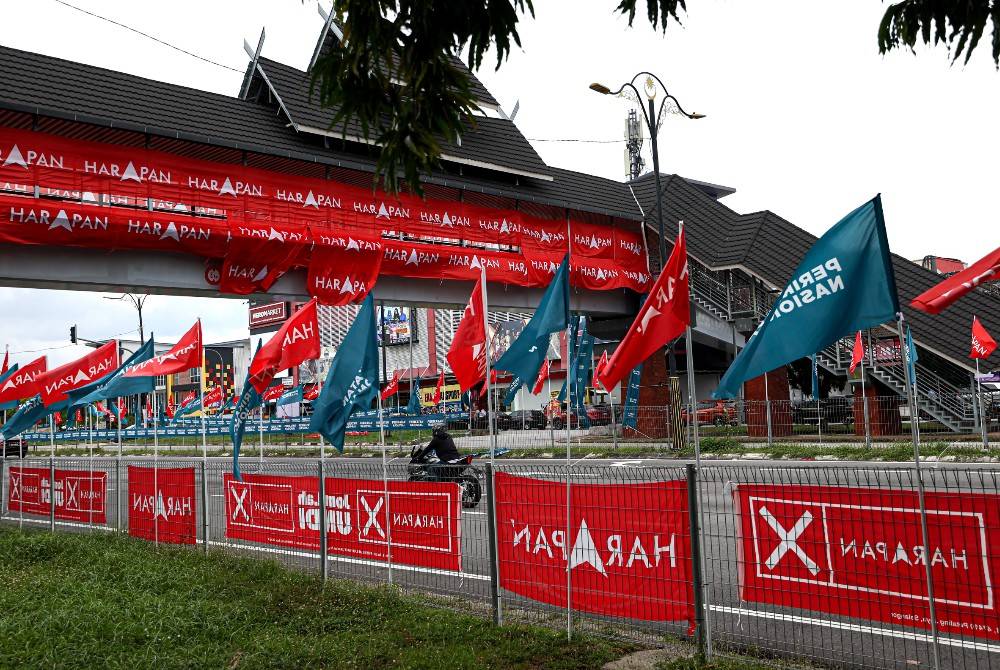
“As such, I see the widening gap as political tension rather than an institutional fracture,” he said.
Commenting on how the issue might develop, Mujibu said the controversy surrounding the BN-PN understanding was expected to peak during the early stages of the campaign before gradually easing as polling day approached.
“I expect this issue to reach its peak at the beginning of the campaign, but it will gradually subside as campaigning enters its final phase.
“After the state election, I expect all parties to return to a more pragmatic approach because the stability of the Federal Government remains a shared interest.
“Therefore, campaign rhetoric will not necessarily translate into changes in political relations in Putrajaya,” he said.
Asked whether the same formula could be repeated in the Melaka state election, Mujibu said the current developments should not be viewed as a clear warning that would permanently close the door to future cooperation between BN and PN.
He said the situation instead signalled that every form of political cooperation came with costs that all parties needed to consider.
“Whether BN will repeat this formula in Melaka or other states depends on one key factor, which is the effectiveness of the strategy.
“If tactical cooperation with PN proves to deliver electoral gains without seriously affecting relations in Putrajaya, pressure to adopt it again will certainly emerge.
“On the other hand, if it creates greater tensions than the political benefits it brings, BN is expected to be more cautious,” he said.
Mujibu said the issue was no longer about whether BN could cooperate with PN, but rather how the party could balance two competing priorities, winning state elections while maintaining the stability of the unity government.
Download Sinar Daily application.Click Here!