When a leadership appointment becomes a reputational liability: The MMC Port Dilemma
Sultan Ahmed bin Sulayem brings unmatched maritime expertise to MMC Port, but the reputational baggage accompanying his appointment could prove harder to navigate.
LIDIANA ROSLI
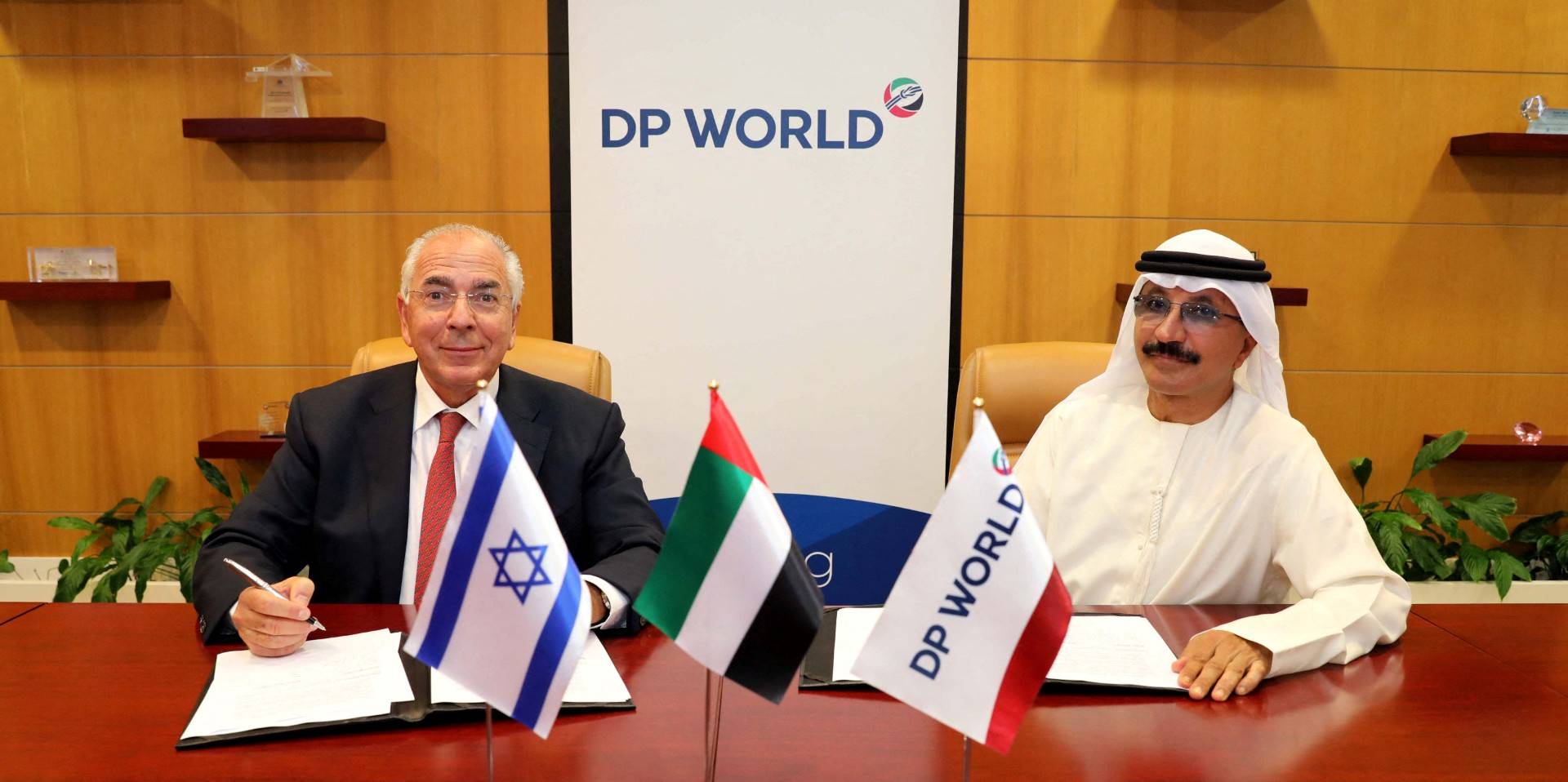
SHAH ALAM - Malaysia's ports are among the country's most strategic national assets. Handling millions of containers annually and sitting astride one of the world's busiest maritime corridors, they serve as gateways for trade, investment and economic growth.
It is precisely because of this importance that the appointment of Sultan Ahmed bin Sulayem as Executive Chairman of MMC Port Holdings Bhd has sparked unease among civil society groups and sections of the investment community.
Few figures in the global maritime industry possess a résumé as impressive as Sultan Ahmed's. Over four decades, he helped transform Dubai into a global logistics powerhouse, played a key role in the development of the Jebel Ali Free Zone and built DP World into one of the world's largest port operators with a presence across multiple continents.
Ordinarily, securing a figure of such stature would be regarded as a coup for any ports company.
Yet the issue confronting MMC Ports is not one of capability but of perception.
In February this year, Sultan Ahmed found himself at the centre of international scrutiny following the release of documents by the United States Department of Justice that included previously undisclosed email exchanges between him and the late convicted sex offender Jeffrey Epstein.

While the disclosures did not accuse Sultan Ahmed of criminal wrongdoing, the revelations nevertheless generated controversy and attracted attention from investors and governance stakeholders.
The fallout was significant.
Several international investment institutions, including British International Investment (BII) and Canadian pension fund investor Caisse de dépôt et placement du Québec (CDPQ), suspended new investments and co-investments involving DP World pending further assessment.
Soon after, Sultan Ahmed stepped down as chairman of DP World, ending a tenure that had defined the company's rise as a global ports giant.
It is against this backdrop that MMC Ports' decision to elevate him into an executive leadership role has raised questions.
The timing is particularly noteworthy.
MMC Port is widely expected to pursue what could become Malaysia's largest initial public offering (IPO) in more than a decade. In the lead-up to such a listing, companies typically seek to minimise potential governance concerns and avoid issues that could complicate investor due diligence.
Instead, MMC Port has found itself defending a leadership appointment that some believe could overshadow its commercial strengths and growth story.
A coalition of 31 Malaysian civil society organisations has already called on MMC Corporation to reconsider the appointment, arguing that the potential costs outweigh the benefits.
Their concerns reflect a broader shift in global investment trends. Increasingly, institutional investors assess not only financial performance but also governance standards, board composition and reputational exposure when making investment decisions.
In today's investment environment, perception can be nearly as important as performance.
For investors managing pension funds, sovereign wealth funds and environment, social and governance (ESG)-focused portfolios, controversies can trigger additional scrutiny, lengthier due diligence processes and difficult questions in investment committee meetings.
Whether justified or not, such concerns can shape investor perceptions and affect appetite for the IPO.
This creates a dilemma for MMC Port.
On one hand, Sultan Ahmed brings unparalleled industry experience, extensive international connections and a deep understanding of the global logistics ecosystem.
On the other, the company must contend with the possibility that the controversy surrounding his appointment could become a recurring issue among investors operating under increasingly stringent governance standards.
The issue is unlikely to affect Malaysia's ownership safeguards over strategic assets. Transport Minister Anthony Loke has made clear that executive appointments remain the prerogative of shareholders, provided ownership requirements are met.
The larger challenge lies elsewhere.
Malaysia is positioning itself as a premier maritime and logistics hub amid growing competition from regional ports. Attracting international capital will be crucial to that ambition, and investor confidence can be difficult to rebuild once doubts take hold.
For MMC Port, the issue is not whether Sultan Ahmed has the experience to lead a major ports operator. The question is whether the controversy surrounding his past association with Epstein could deter some investors at a critical moment in the company's growth plans.
The episode underscores a broader reality of modern corporate governance: commercial success alone is no longer enough. In an era where perception can influence capital flows, leadership decisions are judged not only on capability, but also on the confidence they inspire.
Download Sinar Daily application.Click Here!