GenomeSelect delivers up to 34 per cent more oil yield after a decade of innovation
Commercial field data has shown the technology has more than doubled that target.


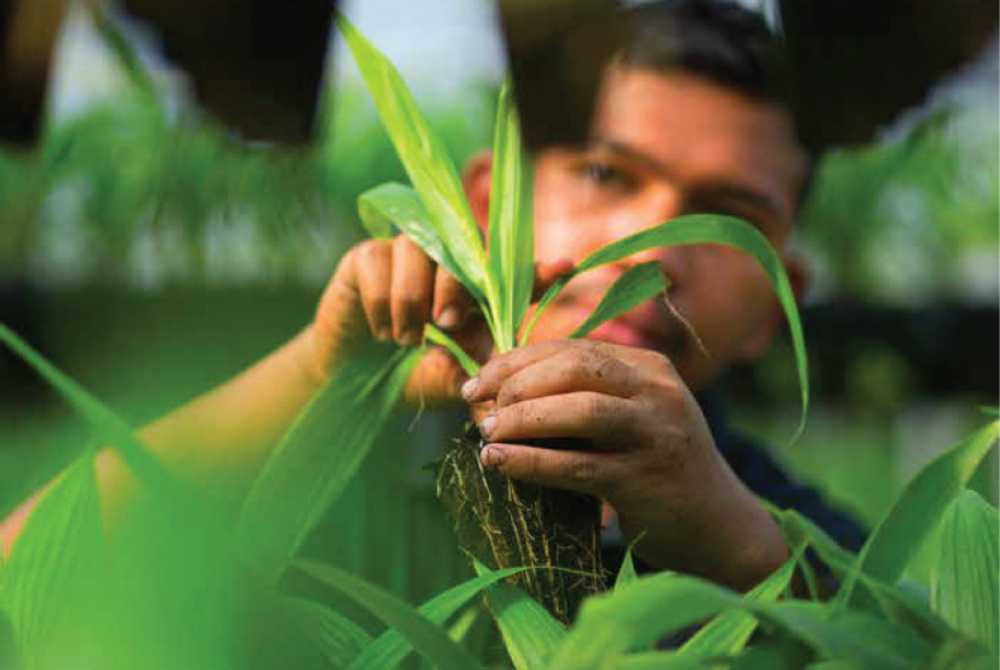
SHAH ALAM – SD Guthrie’s genomic-assisted oil palm breeding technology is delivering up to 33.8 per cent higher oil yield per hectare after a decade in commercial use, exceeding its original productivity target and reinforcing the role of science in improving sustainable palm oil production.
Known as GenomeSelect, the planting material was introduced commercially in 2016 with the aim of producing 15 per cent more oil per hectare than the group’s previous generation of oil palm seeds, Calix600. Ten years later, commercial field data has shown the technology has more than doubled that target.
SD Guthrie chief innovation and technology officer Dr David Ross Appleton said the achievement marked the successful translation of scientific research into measurable gains for the plantation industry.
“When GenomeSelect was first introduced, our goal was to use genomic science to accelerate the development of better planting materials.
“Ten years on, we are seeing the results at commercial scale. What started as a breakthrough in the laboratory has proven its value in the field, delivering significantly higher oil productivity across multiple soil types and planting environments,” he said.

GenomeSelect traces its origins to 2009, when Guthrie successfully sequenced and annotated its first oil palm genome, enabling researchers to identify superior planting materials much earlier than conventional breeding methods.
The breakthrough earned international recognition in 2017 when Guthrie received the prestigious Edison Award under the Energy and Sustainability category, becoming the first Malaysian company to receive the accolade.
The technology entered commercial harvests in 2019 and has since consistently outperformed conventional planting materials.
According to SD Guthrie, latest commercial evaluations covering 2,083 hectares of productive GenomeSelect plantings established between 2016 and 2019 showed consistent improvements over conventional planting materials.
Compared with Calix600, GenomeSelect recorded a 33.8 per cent increase in oil yield per hectare on coastal soils, 32.6 per cent on inland soils and 29.8 per cent on basaltic soils.
The higher productivity was attributed to stronger fresh fruit bunch production and improved oil-to-bunch ratios, allowing more oil to be produced from the same amount of land.
Appleton said oil yield per hectare remained the most important benchmark for plantation productivity.
“The most important metric is not just bunch yield, but how much oil we can produce from every hectare planted.
“Our latest commercial evaluations show GenomeSelect delivering up to 33.8 per cent higher oil yield per hectare compared with our previous generation planting materials. That is a significant leap in productivity and one that supports both business performance and sustainability goals,” he said.
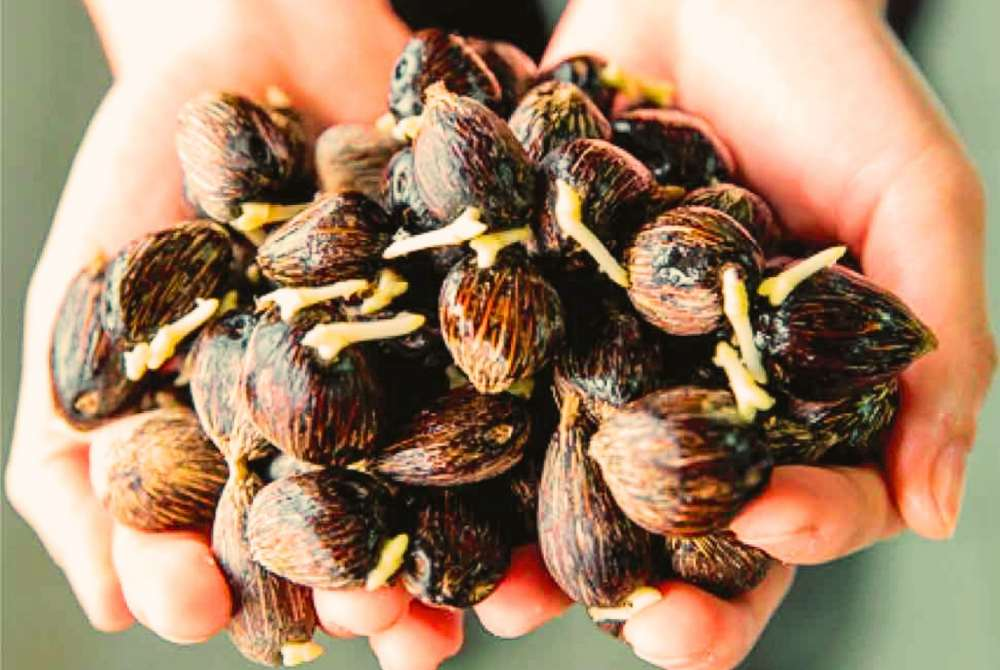
More than 24,000 hectares have been planted with GenomeSelect across SD Guthrie’s estates to date, with the company planning to use the technology for all replanting activities in Malaysia by 2027.
Looking ahead, Appleton said future research would move beyond yield improvement to develop oil palms with greater resilience and operational efficiency.
“The future of oil palm planting materials lies in developing smarter palms, not just higher-yielding ones.
“While yield remains an important priority, genomic technology is now being extended to enhance GenomeSelect with a broader range of agronomic traits, including climate resilience, disease tolerance and improved harvest efficiency.
“Together with advances in artificial intelligence, precision breeding and clonal technologies, these innovations will enable plantations to improve productivity, harvesting efficiency, sustainability and profitability,” he said.
He added that GenomeSelect had demonstrated how genomics could help the agricultural sector produce more using the same amount of land, an increasingly important goal as global demand for food and edible oils continues to rise.
Download Sinar Daily application.Click Here!