Tabung Haji governance framework limits ministerial powers, says Jamil Khir
He said public discussion on the RCI report must take into account how decisions were made within TH, stressing that ministers were not empowered to act independently on matters involving the institution's investments or assets.
SHARIFAH SHAHIRAH
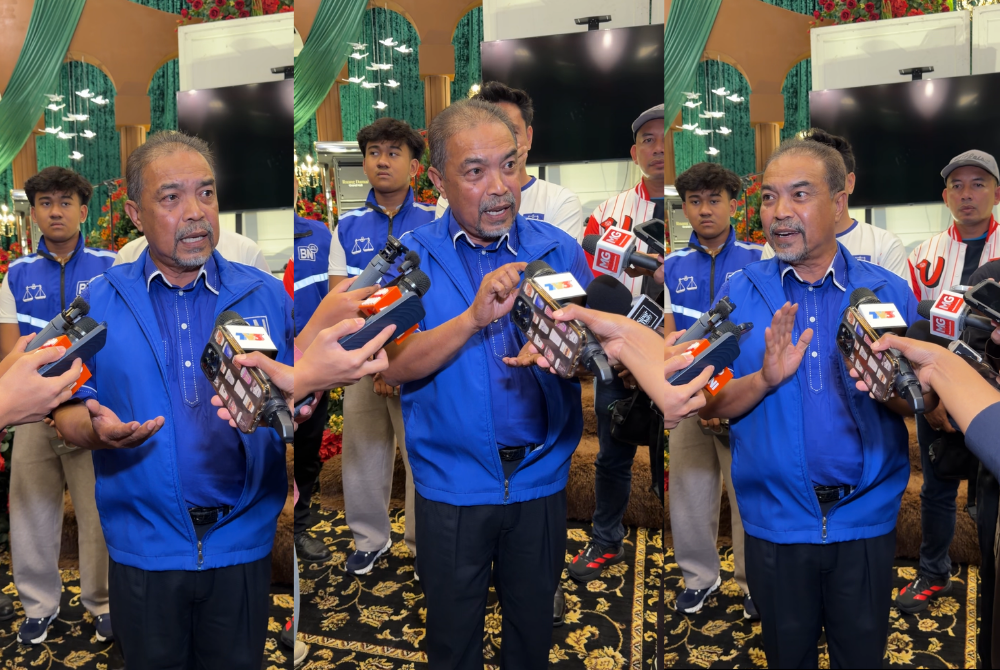
SEREMBAN – Debate surrounding the Royal Commission of Inquiry (RCI) into Lembaga Tabung Haji (TH) should be viewed within the institution's established governance framework, says former Minister in the Prime Minister's Department (Religious Affairs) Datuk Seri Jamil Khir Baharom.
He said public discussion on the RCI report must take into account how decisions were made within TH, stressing that ministers were not empowered to act independently on matters involving the institution's investments or assets.
According to Jamil, every major proposal had to pass through several layers of scrutiny before reaching the minister.
"Tabung Haji has clear good governance guidelines. A minister cannot simply approve an application, sell assets, buy assets or authorise rentals unless there is a recommendation from the Tabung Haji Board," he told reporters after launching the Negeri Sembilan Women's Pledge at Wisma Umno Negeri Sembilan on Thursday.
He explained that the board itself could not submit recommendations without first obtaining assessments from the institution's risk management and investment committees.
"The board only makes recommendations after the proposals have been reviewed by the risk management group and the investment team. Those papers are then brought forward for consideration," he said.
Jamil, who oversaw TH from 2009 until 2018, said the governance process was designed to ensure decisions were made collectively and supported by professional expertise.
He said the board comprised senior civil servants, financial professionals and Shariah experts who evaluated proposals from different perspectives before any recommendation was submitted.
Questioning suggestions that ministers wielded unchecked authority over TH, Jamil challenged critics to point to any document showing that he had acted outside the board's recommendations during his tenure.
"Go through the memoranda that were brought to me and show where I went beyond the recommendations made by the board.
"If people ask about the minister's powers, those powers are exercised based on the board's recommendations," he said.
He also maintained that TH's financial oversight was subject to statutory audit requirements under Malaysian law.
Jamil said while international audit firms such as Ernst & Young and PricewaterhouseCoopers were engaged to meet international reporting requirements, particularly for overseas assets, TH's official statutory auditor remained the National Audit Department.
"The National Audit Department is the legitimate statutory auditor. That is the audit recognised under the law," he said.
He added that throughout the period he was responsible for TH, the institution consistently received clean audit reports from the National Audit Department.
Responding to questions on whether he was prepared to face further investigations following the publication of the RCI report, Jamil said he had nothing to hide.
"If I need to be investigated, then investigate. If it is part of the process, so be it. I have nothing to run from. I am a Malaysian," he said.
The 211-page RCI report into TH's management and operations was made public on Wednesday after previously being classified.
The commission was established to examine the management and governance of TH between 2014 and 2020 following concerns raised by Bank Negara Malaysia, the National Audit Department and several independent audit and consulting firms.
Among its findings were recommendations to strengthen governance, improve financial oversight and enhance institutional accountability.
Download Sinar Daily application.Click Here!