Patronage, identity politics hold back progress: Tunku Zain
Democratic reform faces resistance from entrenched interests, while race and religion narratives continue to shape political discourse
FAUZIAH ISMAIL TASNIM LOKMAN
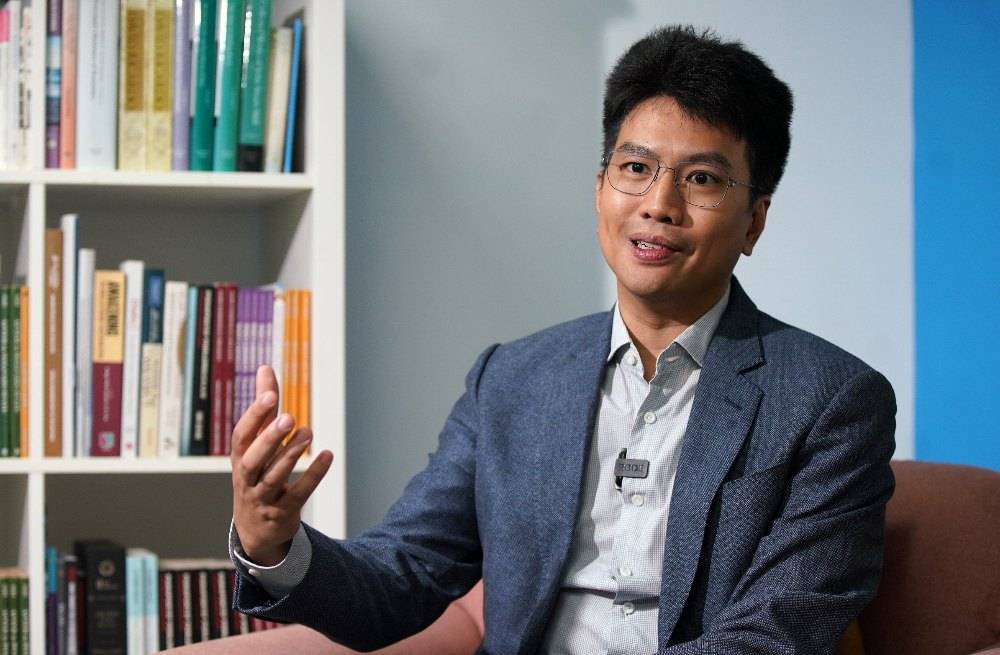
DEMOCRATIC reform in Malaysia continues to face resistance from entrenched interests, patronage networks and the persistence of race- and religion-based political narratives, according to Tunku Zain Al-‘Abidin Tuanku Muhriz.
The founding president of the Institute for Democracy and Economic Affairs said strengthening democracy required more than institutional changes, as it also involved transforming political culture, governance practices and public expectations.
He said one area that required attention was the professionalisation of political office, particularly in helping the public better understand the roles and responsibilities of elected representatives.
“In Malaysia, some practices have become deeply ingrained. For example, when there is a wedding or a kenduri, people often invite their MP and assemblyman.
“I think there is a need to professionalise these roles. If we can help people better understand the respective responsibilities of MPs and assemblymen, then we can move to the next level of governance.
“I think that goes hand in hand with the idea of professionalisation. Services to the rakyat are services to everybody," he said, stating that similar principles applied to discussions on local government, where debates were often shaped by racial considerations rather than the quality of public services.
Tunku Zain said democratic reform was also closely linked to decentralisation, arguing that states should be given greater room to experiment with policies and governance approaches.
“It's helpful for a federal government to empower states to try different things because that allows there to be experimentation,” he said.
A highly centralised system, he said, made reforms more difficult because any change would affect everyone at once.
“The problem with a very centralised system is that when you make one reform, everyone is affected. Everyone feels they have a stake and everyone then criticises it,” he said.
Tunku Zain said there was growing recognition, particularly among younger Malaysians, that some long-standing practices could no longer continue indefinitely.
“I think a lot of people do see that certain legacy issues have been ingrained for so long that it will require a bit of pain to move away from that.
"The younger generation especially, there's some understanding that the way things were for the past 60, 70 years is not sustainable and therefore there needs to be some change," he said.
Asked about the challenges facing democratisation, Tunku Zain said resistance often came from those who benefited from existing political arrangements.
“I think the forces against further democratisation are easy to see.
“Those who like the old system see democratic systems as an inconvenience because it's a threat to their power. It's a threat to their access to ultimately patronage networks and perpetuating their ability to enjoy the privileges that they have," he said.
He also identified exclusionary narratives based on race and religion as another challenge to democratic progress.
“The other threat to further democratisation is the ability for people to be captured by the lazy and dangerous narratives of exclusion, including race, issues of race and religion,” he said.
Tunku Zain said such trends were not unique to Malaysia, pointing to similar developments in other parts of the world.
“We see in the United States and in Europe the narrative which is very much against refugees or even people of different racial and religious backgrounds.
“It’s a phenomenon that’s happening everywhere," he said.
He said Malaysia’s history and social context made it vulnerable to the use of race and religion as political tools.
“I think that makes us in a way even more vulnerable to the worldwide trend of race and religion and xenophobia being used to foment political movements that blame the other for all of the problems that we have," he added.
Download Sinar Daily application.Click Here!