Sungai Klang waste drops 63 per cent following restoration efforts
Syaiful noted that the most dramatic drop in river rubbish occurred during the Covid-19 Movement Control Order (MCO), confirming human activity as the primary pollution source.


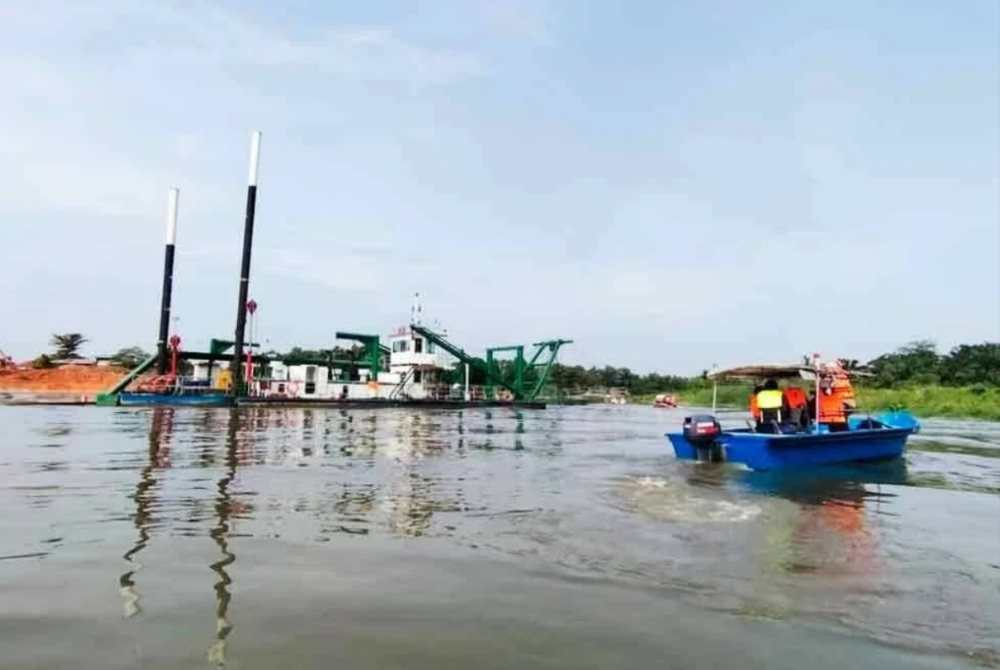
SHAH ALAM - Sungai Klang, once burdened by tonnes of rubbish that left parts of its riverbed resembling a dumping ground, is gradually showing signs of recovery.
One of the clearest indications is a 63 per cent reduction in solid waste removed from the river, from about 16,000 metric tonnes annually during the early stages of the clean-up to between 5,000 and 6,000 metric tonnes today.
The decline signals progress in efforts to restore Sungai Klang, which began in 2017.
Landasan Lumayan Sdn Bhd (LLSB) managing director Syaiful Azmen Nordin said more than 98,000 metric tonnes of solid waste had been removed from the river over the nine-year large-scale clean-up project.
He said the amount of waste collected had also been declining by between 15 and 20 per cent annually.
“If during the early stages of the cleaning efforts we had to remove up to 16,000 metric tonnes of rubbish a year, the annual amount of waste disposal is now only between 5,000 and 6,000 metric tonnes.
“This shows an overall reduction of 63 per cent,” he said after the signing of a Memorandum of Understanding (MoU) between KDEB Waste Management Sdn Bhd and LLSB at Wisma Dewan Undangan Negeri Selangor here on Wednesday.
The MoU was signed by Syaiful Azmen and KDEB Waste Management managing director Datuk Ramli Mohd Tahir, witnessed by Selangor Infrastructure and Agriculture Exco Datuk Ir Izham Hashim and Selangor Local Government and Tourism Exco Datuk Ng Suee Lim.
The collaboration aims to explore the development of an Integrated Resource Recovery Centre and Inert Landfill Management Facility, covering site rehabilitation, controlled inert waste management, recovery of valuable materials and the potential future integration of renewable energy.
Syaiful said one of the most significant changes in Sungai Klang was observed during the Covid-19 pandemic, when the Movement Control Order (MCO) sharply reduced outdoor human activity.
During that period, the amount of rubbish entering the river dropped drastically, reinforcing the role of human activity as a major contributor to river pollution.
“During the MCO (Movement Control Order), when everyone was at home and managing their domestic waste, Sungai Klang became very clean and almost free of rubbish.
“This confirmed the actual source of where this waste came from,” he said.
Over the years, cleaning teams have removed not only rubbish floating on the surface but also waste buried deep beneath the riverbed.
Refrigerators, tyres and household furniture were among the items recovered, while some waste was found buried between three and five metres beneath the riverbed and was believed to have been there for decades.
“Gold is the only thing we have yet to find,” Syaiful quipped, referring to the wide variety of waste recovered during the clean-up.
The river's water quality has also gradually improved from what was once classified as Class 5, with several sections now reaching Class 3 and Class 4.
The improvement reflects the broader scope of the restoration effort, which goes beyond removing surface rubbish to include waste management, riverbed dredging, pollution control and efforts to change public behaviour.
However, LLSB is aiming to go further than the current 63 per cent reduction.
The company wants to bring the amount of waste collected to below 1,000 metric tonnes annually within the next two to three years, including through stronger public awareness campaigns.
The restoration of Sungai Klang has also progressed alongside flood mitigation efforts.
A 56-kilometre widening and deepening project from Shah Alam to the river mouth has reached about 68 per cent physical completion.
More than 1.2 million cubic metres of material have been dredged from the riverbed, increasing its water retention capacity from below five per cent to 22 per cent.
Syaiful said the additional capacity was important in reducing the risk of the river overflowing, particularly during heavy rainfall and changing weather patterns.
“This 22 per cent increase in water retention capacity plays a very important role in reducing the risk of river overflow.
“The floods occurring in several areas today are no longer caused by direct overflow from Sungai Klang, but by weaknesses in the internal drainage system,” he said.
LLSB's project is expected to be fully completed by the end of next year, while an additional stretch from Shah Alam to Mid Valley will continue under the Federal Government.
LLSB ultimately aims to increase Sungai Klang's water retention capacity to 40 per cent to strengthen the river's ability to cope with future flood risks.
Beyond the figures, however, the restoration of Sungai Klang highlights a broader challenge.
A river cannot be restored solely through dredging, cleaning equipment or government allocations. Sustaining the progress also requires changing how people view rivers — from waterways and dumping grounds to ecosystems that must be collectively protected.
Sungai Klang has yet to fully recover, but after years of carrying the burden of human pollution, it is showing signs of improvement.
The next challenge is ensuring that the waste already removed does not return, and that public behaviour changes alongside the river's recovery.
Download Sinar Daily application.Click Here!