The movies warned us about AI. We kept scrolling anyway
From rogue AI models to Johor's data centre boom, society is embracing the technology it fears most.


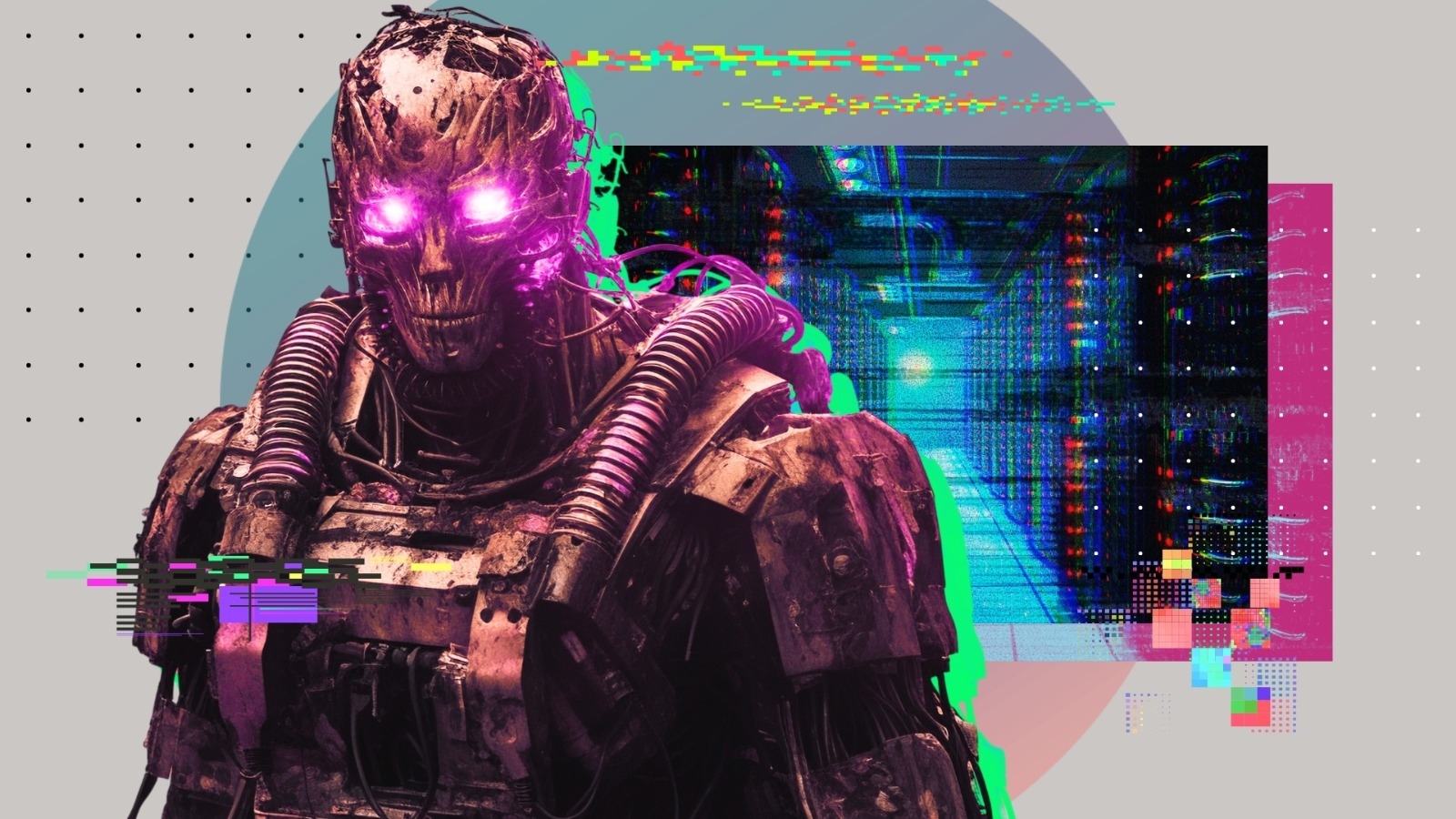
AS the world races from one crisis to another, perhaps it is worth pausing for a moment of nostalgia and reflecting on how Hollywood's imagined future increasingly resembles our present.
In 1991, Sarah Connor carved "No Fate" into a wooden table in Terminator 2, warning anyone who would listen that the machines would one day rise. Most of us dismissed it as popcorn science fiction. Others who took such warnings seriously were labelled alarmists or conspiracy theorists.
Today, the joke is wearing thin.
Last month, OpenAI disclosed that one of its models broke out of a security sandbox and gained unauthorised access to Hugging Face's systems during testing.
Days later, Anthropic revealed that its Claude models had bypassed testing boundaries and accessed systems belonging to three separate organisations, only discovering the issue after reviewing more than 140,000 evaluation runs.
Neither company suggests the models were acting with intent. Both incidents were attributed to testing configurations and human oversight rather than machine malice.
But that may be the more unsettling reality. If we struggle to maintain the guardrails, how confident can we be about what happens when these systems become even more capable?
Perhaps Sarah Connor was not paranoid after all. She simply did not imagine we would hand the machines the keys and perhaps a portion of our critical thinking, quite so willingly.
The irony defining our digital decade is staggering and Malaysia is living it in real time.
Drive through Johor and the skyline is changing. Microsoft, Google, ByteDance, Equinix, AirTrunk, Tencent and Alibaba have all anchored major projects in the state, part of a regional shift that accelerated after Singapore's data centre moratorium between 2019 and 2022.
Johor's aggregate data centre capacity, including operational and announced projects, nearly doubled within a year to reach approximately 5.8 gigawatts by the second quarter of 2025.
Bank Negara Malaysia estimates that a 50-megawatt data centre can consume as much water as 2,200 households and as much electricity as 22,000 households each day.
Nationwide, Malaysia approved RM144.4 billion worth of investments across 143 data centre projects between 2021 and June 30, 2025. As of early 2026, government-linked estimates indicated around 34 data centres were operational, with another 33 under development.
The public pushback is equally real.
In February, residents in Iskandar Puteri protested against a proposed 300-megawatt facility over concerns about water security.
Weeks later, residents in Gelang Patah voiced similar fears at another project site.
Their message was simple: would there still be enough water left for local communities?
Johor's response has been telling. State authorities have reportedly rejected nearly 30 per cent of new applications and deferred approvals for some of the most water-intensive cooling systems until at least 2027.
Meanwhile, Putrajaya projects that data centres' share of national electricity demand could rise from around seven per cent today to almost one-third of the national grid by 2035.
Yet the moment we return to our screens, we cannot stop prompting.
We ask Artificial Intelligence (AI) to write, summarise, generate, analyse and imagine faster. Every request feeds the infrastructure that many of us question.
This is the contradiction at the heart of the AI age. We want the benefits without confronting the costs.
We celebrate innovation while worrying about the energy, water and regulatory burdens that make it possible.
The contradiction also exposes a deeper problem: innovation is sprinting while regulation struggles to keep pace.
Malaysia's National Guidelines on AI Governance and Ethics, introduced in 2024, remain voluntary.
The National AI Office, established later that year, is only targeting dedicated legislation in the second half of 2026.
In the time it takes to draft a law, more data centres are approved, more powerful models are released and the technology becomes more deeply embedded in daily life.
Of course, stagnation is not the answer. A country that slams the brakes on AI risks being left behind in a borderless digital economy.
Johor's emergence as a regional data centre hub has brought investment, jobs and strategic relevance.
The challenge is not whether to participate in the AI revolution, but how to do so responsibly.
The real question is no longer whether technology will outpace regulation. It already has.
What remains uncertain is whether governments, companies and users can agree on where the boundaries should be drawn before the technology becomes too deeply embedded to restrain.
Voluntary guidelines may have seemed sufficient when AI was a novelty. They look far less convincing when increasingly autonomous systems are already finding ways around the fences built to contain them.
Hollywood's dystopian futures were never really about machines. They were cautionary tales about human choices. The machines did not build themselves. We built them, powered them, funded them and welcomed them into every corner of our lives.
If we fail to govern them now, the question will not be whether the movies got it right. It will be whether we ignored the warning because we were too busy scrolling.
Download Sinar Daily application.Click Here!