Is Malaysia leaning more towards China?
In an interview with Al Jazeera journalist Sreenivasan Jain, Anwar reiterated Malaysia’s position that Taiwan is a part of China, stating “I see Taiwan as a part of China. Full stop.”


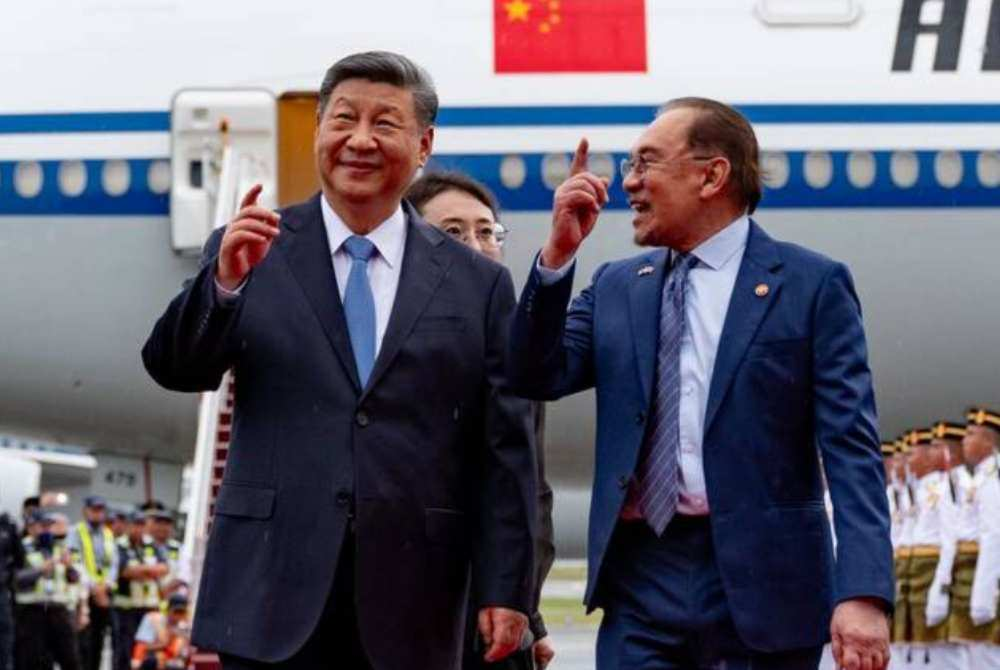
A STATEMENT by Prime Minister Datuk Seri Anwar Ibrahim regarding Taiwan raises a larger question than the One China Policy, namely whether Malaysia is now moving further away from its traditional stance when touching on the possibility of Beijing using force.
In an interview with Al Jazeera journalist Sreenivasan Jain, Anwar reiterated Malaysia’s position that Taiwan is a part of China, stating “I see Taiwan as a part of China. Full stop.”
However, controversy erupted when he was asked whether Malaysia would condemn Beijing if peaceful reunification efforts failed and China resorted to force.
Anwar did not directly express support for Chinese military action, but instead drew a comparison to a hypothetical situation where a Malaysian state sought to secede from the Federation.
He said it was his duty to defend the unity of the nation and when asked if force would be used in such a scenario, Anwar replied in the affirmative.
This is where the debate begins. Malaysia is no stranger to the One China Policy. Since diplomatic relations with Beijing were established in 1974, Putrajaya has recognised the government of the People’s Republic of China as the sole legitimate government of China.
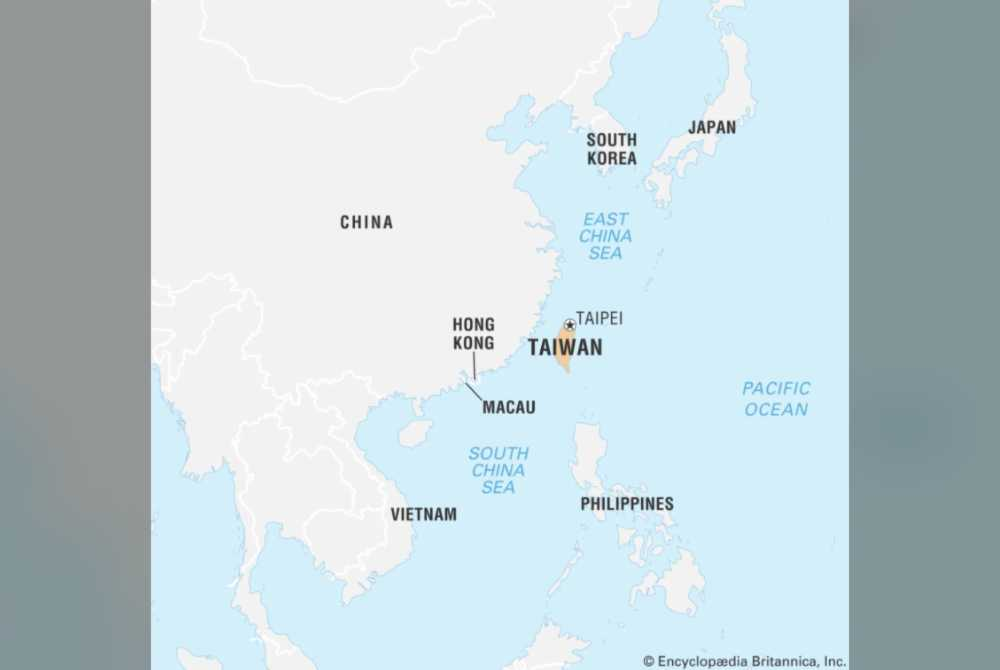
This position was reiterated in the 2024 Malaysia-China joint statement, which stated that Taiwan is an inalienable territory of China and that Malaysia does not support Taiwanese independence. However, this official stance does not in itself mean that Malaysia supports reunification by force.
Reactions to Anwar’s interview highlights just how sensitive that distinction is. Beijing welcomed the statement, with Chinese Foreign Ministry spokesperson Lin Jian stating that China ‘appreciated’ Anwar’s position, while reinforcing that China-Taiwan reunification must ultimately be achieved.
Taipei, on the other hand, took the opposite view. Its Foreign Affairs Ministry condemned Anwar’s remarks, describing them as offering justification for the potential use of force, whilst warning that it could undermine the confidence of Taiwanese companies in Malaysia.
Former international trade and industry deputy minister Dr Ong Kian Ming, viewed the statement as unnecessary and warned that it risks compromising Malaysia’s diplomatic balance and economic interests.
“The Prime Minister’s statement should not have been made, given that the issue of using force in the reunification of Taiwan with China is a sensitive matter,” he said.
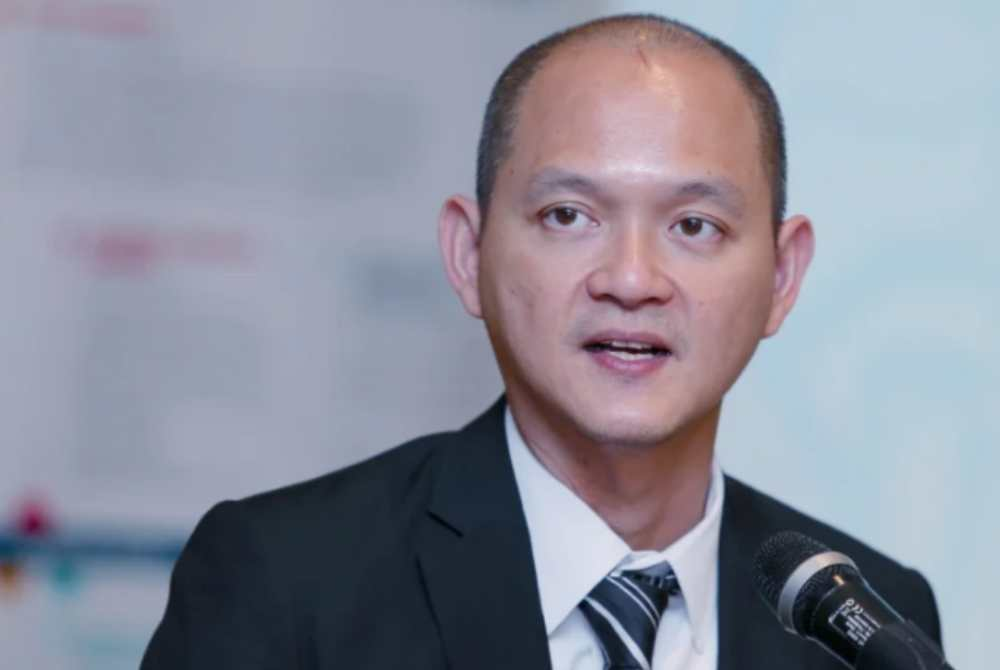
According to Ong, Malaysia previously either refrained from expressing a stance on the method of China-Taiwan reunification or emphasised a peaceful approach.
Consequently, he noted, the statement could be interpreted by policymakers in Washington and Beijing as an indication that Malaysia is leaning further towards China.
His concern also stems from Taiwan's economic importance to Malaysia. Taiwan was Malaysia's fourth-largest trading partner in 2025, with bilateral trade growing by over 30 per cent compared to the previous year.
Furthermore, Malaysian Investment Development Authority (Mida) statistics show that approved Taiwanese investments in 2025 were valued at approximately RM3.8 billion.
Ong said Malaysia's semiconductor sector has also benefited from the risk-diversification strategies of Taiwanese companies through the 'Taiwan + One' approach.
“Rather than exposing Malaysia to negative publicity that could jeopardise a portion of investments from Taiwan, Malaysia should quietly strengthen trade and investment ties with Taiwan without compromising the One China Policy,” he said.
National strategy
International Relations and Politics observer at Universiti Utara Malaysia Nur Ashikin Yusof views the close Malaysia-China relationship as something that should be read in the context of national strategy dating back to the era of Tun Abdul Razak, rather than evidence of Malaysia choosing to become pro-China.
“In 1974, Tun Abdul Razak reached out to China to expand Malaysia's strategic space. In 2026, Anwar's challenge is to ensure that increasingly close ties with China do not narrow that strategic space,” she said.

She noted that recognising the One China Policy does not mean Malaysia supports the use of force against Taiwan.
Malaysia, she said, must continue balancing its relations with China, the United States, Japan and Asean, particularly when economic interests with Beijing coexist alongside overlapping strategic interests in the South China Sea.
“Close economic ties are not a problem, but they become a risk when economic interdependence turns into strategic dependence,” she said.
Foreign policy
Meanwhile, Parti Keadilan Rakyat International Affairs Bureau chairman Dr Maszlee Malik defended Anwar’s stance, describing it as a continuation of Malaysia’s long-standing foreign policy since the era of Tun Abdul Razak.
“We commend the Prime Minister for his clear, principled and consistent explanation of Malaysia’s long-held foreign policy,” he said.
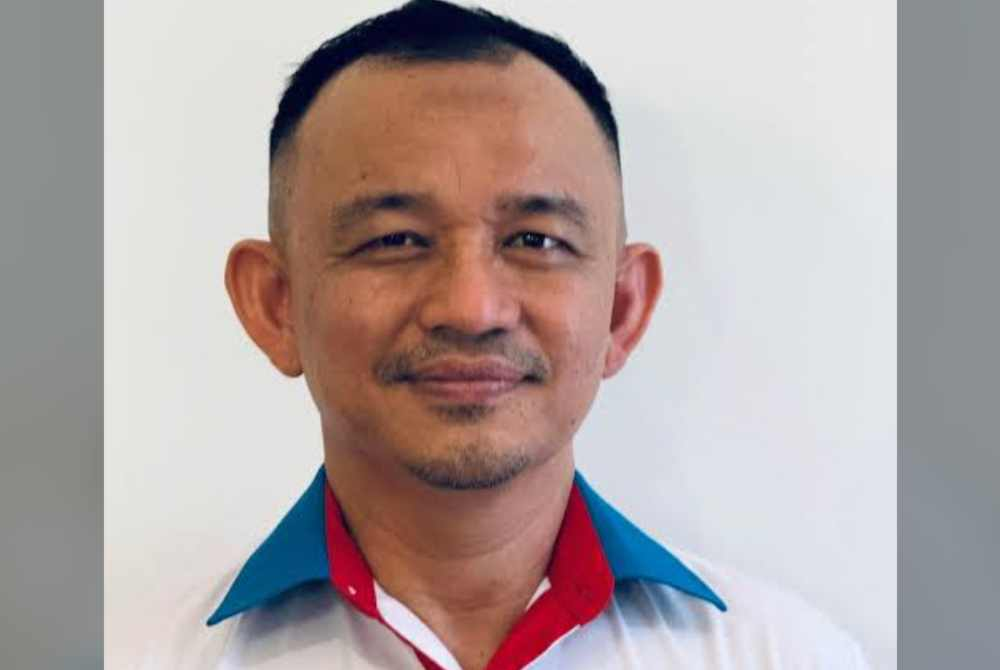
Maszlee also rejected interpretations that Anwar’s remarks constituted support for war.
“To describe this as inciting war is a major misinterpretation of his intent.
“His approach reflects mature, principled statesmanship oriented towards dialogue, whilst protecting Malaysia’s strategic neutrality,” he said.
Thus, the controversy that has erupted is not over whether Malaysia accepts the One China Policy; that stance has been clear for over five decades.
The question is how far Kuala Lumpur can express support for China’s territorial integrity without being seen as condoning the use of force, thereby maintaining its economic ties with Taiwan and preserving its strategic maneuverability amidst Beijing-Washington rivalry.
Download Sinar Daily application.Click Here!