Public spaces should bring Malaysians and foreigners together, not fuel hostility - Activist
His remarks came amid growing concerns over social media content involving the Rohingya community.


SHAH ALAM - Human rights activist Adrian Pereira said public spaces should serve as opportunities for Malaysians and foreigners to interact and better understand one another, rather than becoming platforms for hostility.
His remarks came amid growing concerns over social media content involving the Rohingya community.
Pereira also said some social media influencers appeared to be contributing to a sense of insecurity within the Rohingya community through misinformation and disinformation, which could potentially heighten tensions between refugees, other non-citizens and Malaysians.
“I see such public spaces as an opportunity for locals and foreigners to understand one another rather than a place for conflict and hostility.
“I believe some social media influencers are creating a sense of insecurity within the Rohingya community through misinformation and disinformation and I am concerned that their intentions are not good.
“We have lived alongside refugees for many years and Malaysia is itself a nation of immigrants. If we trace our family histories back far enough, many of us would find different origins.
“My concern is that the disturbance of public peace through such online content can lead to harassment of both the public and non-citizens,” he told Sinar Daily.
Pereira said the wider concern was how such content could expose vulnerable individuals to harassment and physical or digital attacks.
He warned that content generating significant engagement and revenue could encourage others to produce similar material, potentially normalising hostility towards immigrants.
“If such content continues to generate attention and revenue, I fear it could become a wider trend that encourages hatred and the idea that immigrants cannot do certain things.
“We have already been coexisting relatively peacefully, but content that incites hatred through misinformation and disinformation could create serious problems,” he stressed.
Pereira believes Malaysia needs stronger efforts to promote social cohesion, particularly as discussions surrounding the Rohingya community have become increasingly sensitive and tensions among Malaysians remain high.
He added that local authorities and elected representatives could also play a greater role in preventing disputes from escalating by facilitating engagement between local communities and foreigners.
“We cannot assume that everyone will act as a peacemaker, which is why local councils, assemblymen and Members of Parliament can play an important role in facilitating peace-building and integration between foreigners and local communities.
“Lets say we give these influencers the benefit of the doubt, then existing laws should be allowed to take their course, with local authorities checking any genuine concerns. Other countries have integration programmes that help reduce suspicion and improve understanding between communities.
“I believe Malaysia should also consider such approaches to encourage greater integration, reduce insecurity and prevent tensions from escalating,” he added.
He also pointed out that local places of worship like churches, mosques and temples could also be a place for understanding each other and reconcliation when there is conflict.
The controversy illustrates the increasingly influential role of social media in shaping public perceptions of foreigners and public-space use.
While concerns over access to public facilities can be raised legitimately, Pereira said such discussions should be grounded in verified information and handled in a way that does not turn individual incidents into broader hostility towards an entire community.
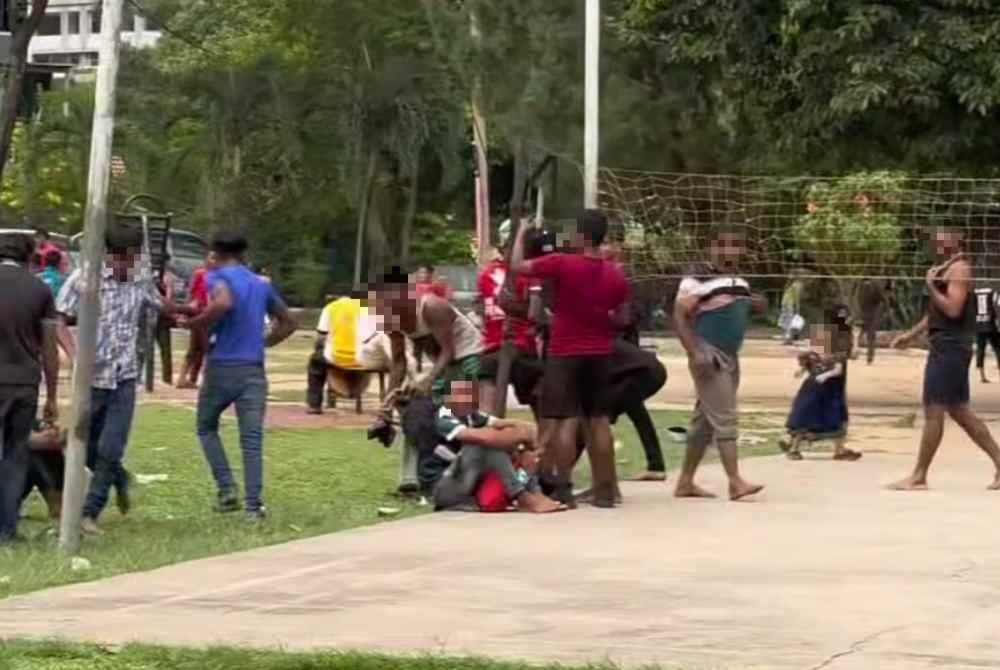
Earlier, a video showing more than 30 people believed to be Rohingya nationals gathered at a public park in Taman Wilayah, Selayang, went viral after being uploaded by influencer Awie MBR, also known as Abang Koroy.
The footage showed individuals playing football, families having picnics and children using the playground. The video triggered debate over whether foreign nationals were occupying public facilities at the expense of local residents.
However, it did not provide details confirming the individuals' nationality, immigration status or the purpose of their gathering.
Download Sinar Daily application.Click Here!