‘Don’t convict him on social media’ – but are Umno delegates missing the bigger question?
SHARIFAH SHAHIRAH AND HAJAR NAZLI

KUALA LUMPUR – The 2026 Umno General Assembly (PAU 2026) may be over, but the questions surrounding former Baling MP Datuk Seri Abdul Azeez Abdul Rahim and his Tabung Haji-linked charges have hardly gone away.
With attention now shifting to former prime minister Datuk Seri Najib Razak’s conditional house arrest, several Umno delegates at PAU 2026 offered their own views on Azeez’s case.
There was one common thread in their responses - before the court delivers its verdict, social media already has one.
Several Umno grassroots members said Azeez should be judged based on evidence and the outcome of his court proceedings, rather than political speculation or allegations circulating online.
On the face of it, the argument is straightforward, that allegations are not convictions, and being charged does not make someone guilty.
But the more uncomfortable question is whether that principle is being applied consistently, especially when the person in the dock is an Umno leader.
Speaking on the sidelines of PAU 2026, held from Sept 9 to 12, the delegates stressed that supporting due process did not mean defending corruption and that holding a senior position in Umno should not place anyone above the law.
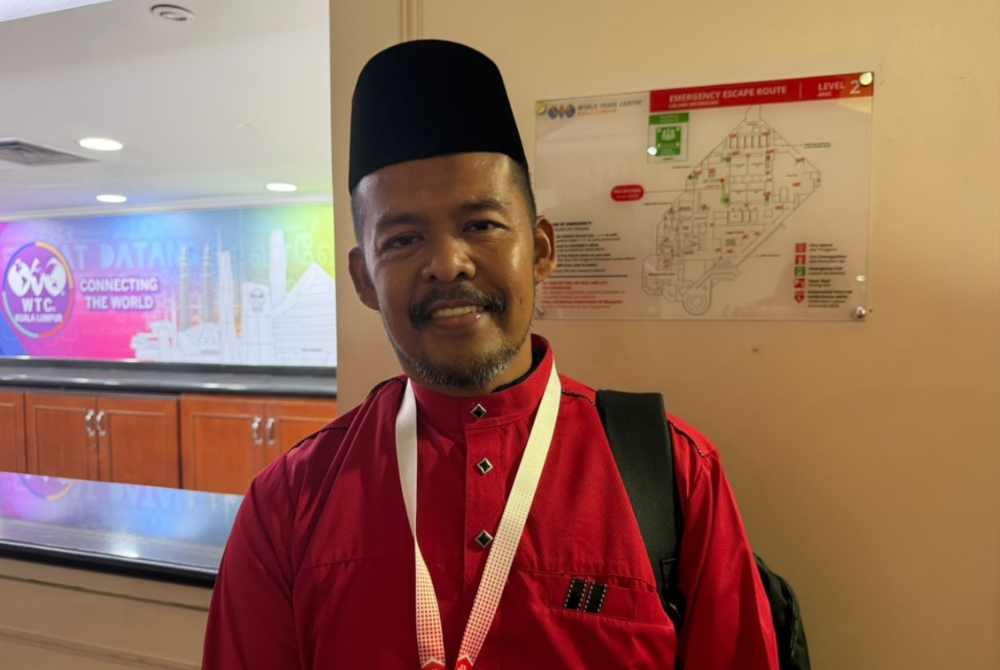
For Umno delegate Omar Fazilah Mohamad, 50, the position was clear: if there is evidence, let it be presented. If there is a conviction, let the person face the consequences.
But until then, allegations remain allegations.
He said Malaysians should uphold the principle that no one should be declared guilty without strong evidence or a conviction.
That, he said, should also apply to allegations circulating online that Azeez had taken money belonging to people intending to perform the Hajj.
“As long as there is no evidence proving that he did so, I will not accuse him of it,” he said when interviewed during PAU 2026.
Yet Omar was equally clear that party loyalty should not become a shield for wrongdoing.
“Whoever is guilty is guilty. We will not defend leaders simply because they are in the upper ranks of the party. If they make mistakes, action should be taken against them,” he said.
That leaves an obvious test for the principle being put forward: if the evidence ultimately goes against Azeez, will the same voices calling for due process be equally vocal in demanding accountability?
For now, the answer can only come later – in court.
Omar also said allegations involving prominent politicians could easily become political ammunition, particularly when cases attract public attention before the courts have reached a decision.
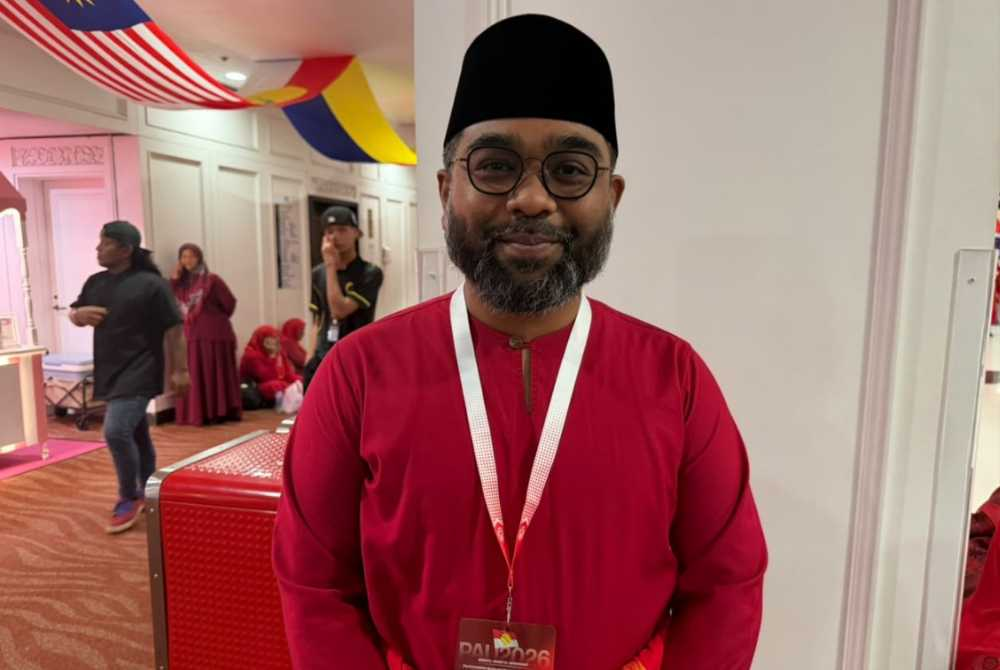
Meanwhile, self-employed Azri Awalludin, 38, said Azeez should be given the benefit of the doubt while the case is being heard.
“As I said earlier, he is innocent until proven guilty, and he has shown that he is willing to face the charges against him,” he said.
But another delegate raised a different question.
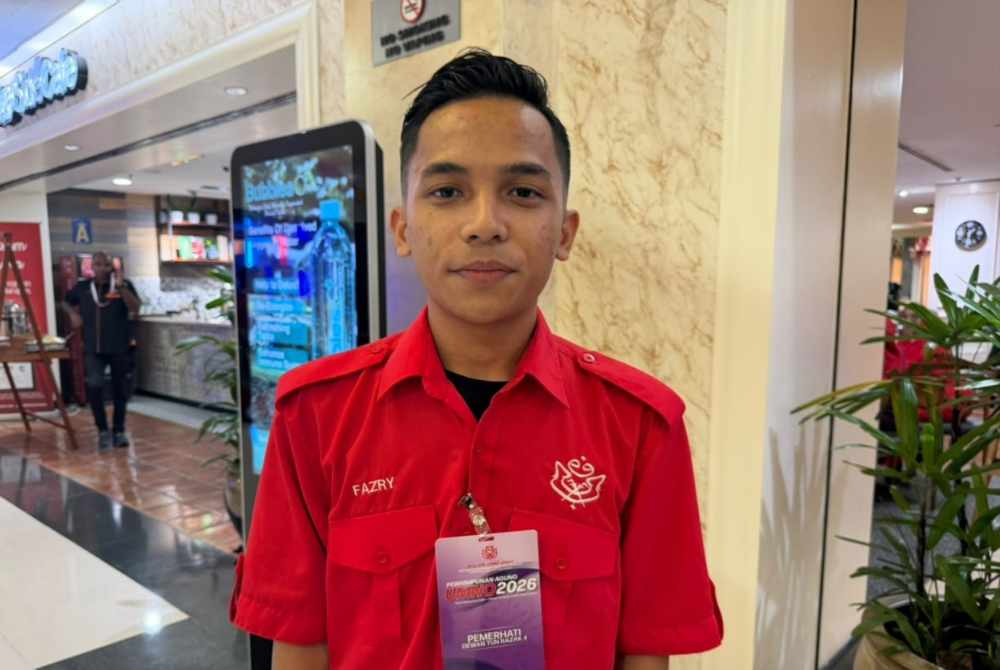
Umno student delegate and law student Meor Muhammad Fazry Meor Asri, 22, questioned why action was being taken now over a matter stemming from a report made in 2018.
Still, he stressed that questioning the timing did not mean Azeez should be declared innocent.
“We do not support any form of corruption. If they have made a mistake, then let them face the court and let the law take its course,” he said.
That distinction matters.
Questioning the timing of a prosecution is not proof that the prosecution is politically motivated. Likewise, insisting on due process is not proof that Azeez is innocent.
Both are matters that require evidence.

Umno Cheras division information chief Fauziah Mohamed Amin, in her 50s, said grassroots members wanted clarity and were prepared to accept the outcome of the case.
She said Azeez should be given the opportunity to present his defence and, where relevant, produce records from his time as Tabung Haji chairman.
“We do not want this issue to be prolonged. As grassroots leaders, we also want to see the truth and clarity on what actually happened,” she said.
Azeez, who previously served as Tabung Haji chairman and Baling MP, was recently charged over alleged abuse of position involving a proposed RM193.5 million investment in Putrajaya Perdana Berhad.
He pleaded not guilty to the charges.
The case has also attracted renewed attention because of separate allegations circulating online concerning funds allegedly linked to Hajj pilgrims.
Those claims, however, remain allegations and should not be treated as established facts without evidence.
But neither should the existence of online speculation become a convenient distraction from the actual court case.
For Umno, this is hardly an unfamiliar problem.
The party has spent years dealing with the political fallout from corruption allegations involving its leaders. That history makes the distinction between defending due process and defending a politician all the more important.
The delegates interviewed at PAU 2026 say they are not defending Azeez because he is Umno.
They say they are defending the principle that he should be presumed innocent until proven guilty.
Fair enough. But that principle comes with a second half that cannot be ignored:
If the evidence ultimately proves wrongdoing, presumption of innocence cannot become a permanent excuse for avoiding accountability.
Azeez will have his day in court.
The more important question for Umno’s grassroots may be what they do after that day.
Download Sinar Daily application.Click Here!