Ain Husniza was right all along and we were wrong to doubt her
Imagine being a teenager and having adults tell you that speaking about something disturbing is more shameful than the behaviour you are speaking about.
DANINAS HEZRY
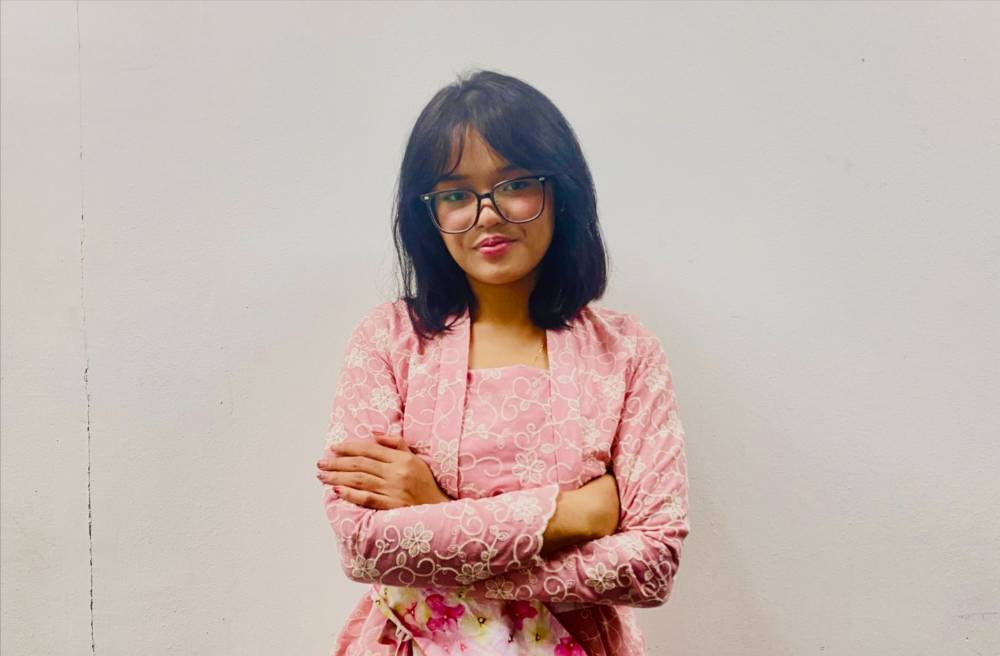
SEXUAL HARASSMENT and sexual assault cases have become a painful part of the conversations we see today. Almost every day, another case comes forward, another victim finds the courage to speak and another question is raised about whether enough is being done to protect people.
But the truth is, this conversation did not start today. Years ago, a teenage girl was already speaking about the very issues that society is still trying to understand now.
Ain Husniza was only 17 when she raised concerns about an inappropriate rape joke allegedly made by a teacher during a physical education class. What should have been a serious conversation about student safety quickly became a conversation about Ain herself.
Instead of asking why a teenager felt uncomfortable enough to speak up, grown adults questioned her character. She was criticised for allegedly not "jaga aib" (guarding one's modesty), while others accused her of not respecting her educators.
Imagine being a teenager and having adults tell you that speaking about something disturbing is more shameful than the behaviour you are speaking about.
The backlash did not stop there. Ain received threats, including sexually explicit ones, simply for using her voice and refusing to pretend that everything was fine.
Yet she continued.
She continued because she knew the issue was bigger than herself. She understood that if inappropriate comments could be dismissed as jokes today, there was nothing stopping the same culture from hurting another student tomorrow.
That was the part many people missed.
Ain was not trying to destroy anyone's reputation. She was questioning a culture that had become too comfortable telling young people to stay quiet, respect authority and simply move on when something made them uncomfortable.
She was also questioning something deeper: why are young people expected to protect the dignity of adults when adults are supposed to be protecting them?
Respect should never mean accepting everything an authority figure says or does. Being a teacher does not make someone above criticism and being a student does not mean losing the right to question something that feels wrong.
Ain's story also showed how quickly society can turn against someone who breaks the silence. The focus shifted from the behaviour she was highlighting to whether she had crossed some invisible line by speaking about it.
Years later, conversations surrounding sexual harassment, sexual assault, bullying and student safety continue to grow. The issues Ain raised as a teenager did not disappear when the headlines moved on. They remained.
And perhaps that is why her story feels even more important today.
Looking back, the most disturbing part is not that Ain spoke up. It is that she was only a teenager when she had to defend herself against adults who should have understood why she was speaking.
She was told to protect aib. She was told to respect her elders. She was made to feel as though speaking up was the problem.
But who was protecting her? Who was protecting the students who might come after her?
Ain could have stayed silent. She could have deleted everything, ignored the backlash and allowed the controversy to disappear. She did not.
She continued advocating for safer schools because she believed that students deserved to feel safe in the places where they spend a huge part of their lives. She knew that staying quiet might make things easier for her, but it would not make the problem disappear.
That takes courage, especially when the people telling you to stay quiet are adults.
Maybe Ain was not being dramatic. Maybe she was not being disrespectful. Maybe she was simply ahead of her time.
Because while people were debating whether a teenager should have spoken up, Ain was already asking the question that society is still asking today: how do we make sure our children are safe?
She spoke when it was uncomfortable. She stood her ground when it would have been easier to walk away, and despite the backlash and threats, she continued to advocate for what she believed was right.
Ain was not wrong for speaking up. We were wrong for making her fight so hard to be heard.
Daninas Hezry is a student at City University Malaysia, Cyberjaya. The views expressed in this article are the author's own and do not necessarily reflect those of Sinar Daily.
Download Sinar Daily application.Click Here!