Fadhlina: Girls must be able to lead without fear of online abuse
The Education Minister calls for stronger digital protection, accessible reporting channels and greater accountability to ensure online harassment does not silence girls or discourage them from leadership roles


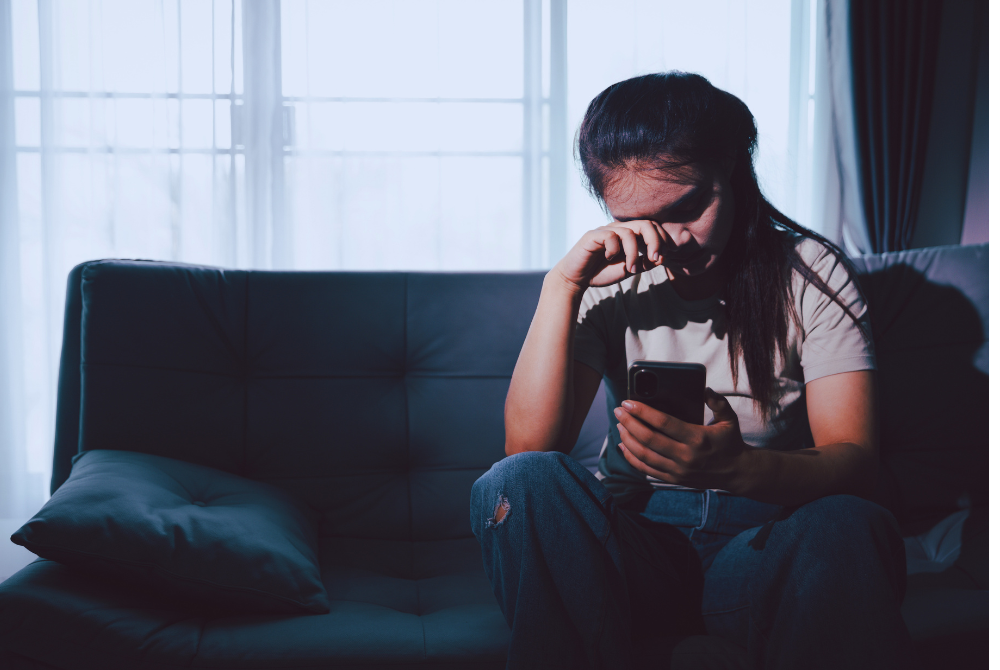
KUALA LUMPUR – Girls must be able to speak up, express their opinions and pursue leadership roles without facing online harassment and threats, says Education Minister Datuk Seri Fadhlina Sidek.
She said technology had created opportunities for girls to participate in public discussions, but could also be used to intimidate and silence them, particularly women in leadership positions.
“The same technology that gives girls a voice can also silence them,” she said at the Women Economic Forum 2026 today.
Fadhlina said women in politics who spoke publicly often faced online harassment, personal attacks and threats, sometimes because of their gender.
Drawing on her own experience, she said such hostility could discourage young girls from considering leadership roles in the future.
“Imagine a young girl growing up in that environment. What message are we sending her about becoming a leader?” she said.
She said the issue went beyond online safety, as it also affected gender equality and girls’ ability to participate confidently in decision-making.
Fadhlina cited figures from the Programme for International Student Assessment (PISA) 2025, saying five per cent of Malaysian students reported that upsetting information about them had been published online without their consent at least a few times a month, compared with the Organisation for Economic Co-operation and Development (OECD) average of three per cent.
She said the figures highlighted the need for stronger protection against online abuse, particularly for children and young people.
“We cannot keep teaching girls how to survive unsafe digital spaces without asking why those spaces remain unsafe in the first place,” she said.
Fadhlina said parents should build trust with their children, while schools should teach digital citizenship, critical thinking and respect for others.
However, she stressed that educating children about online safety would not be enough without effective systems to protect victims.
She called for accessible reporting mechanisms, trained professionals, psychological support and clear consequences for perpetrators.
As online abuse crossed national borders, she also urged countries to strengthen international cooperation and work towards common standards for child online protection by 2030.
She said countries should also work towards faster responses to cyberbullying and AI-generated abuse, alongside greater accountability for technology companies.
Fadhlina added that the effectiveness of these measures should be assessed by whether reports led to timely action and whether girls felt safer participating online.
“We cannot expect children to carry the responsibility for fixing digital environments they did not create,” she said.
She said the goal should be to raise a generation of girls who could speak, question and lead without fear of being punished for expressing themselves.
“We should be raising a generation of girls who can speak, who can question and lead without having to pay a personal price for their courage,” she said.
Download Sinar Daily application.Click Here!