CMCF urges responsible reporting on refugees, warns against stereotyping
A roundtable at Kompleks Karangkraf examines how headlines, images and missing context can turn individual cases into narratives about entire communities
Yasmin Rosli
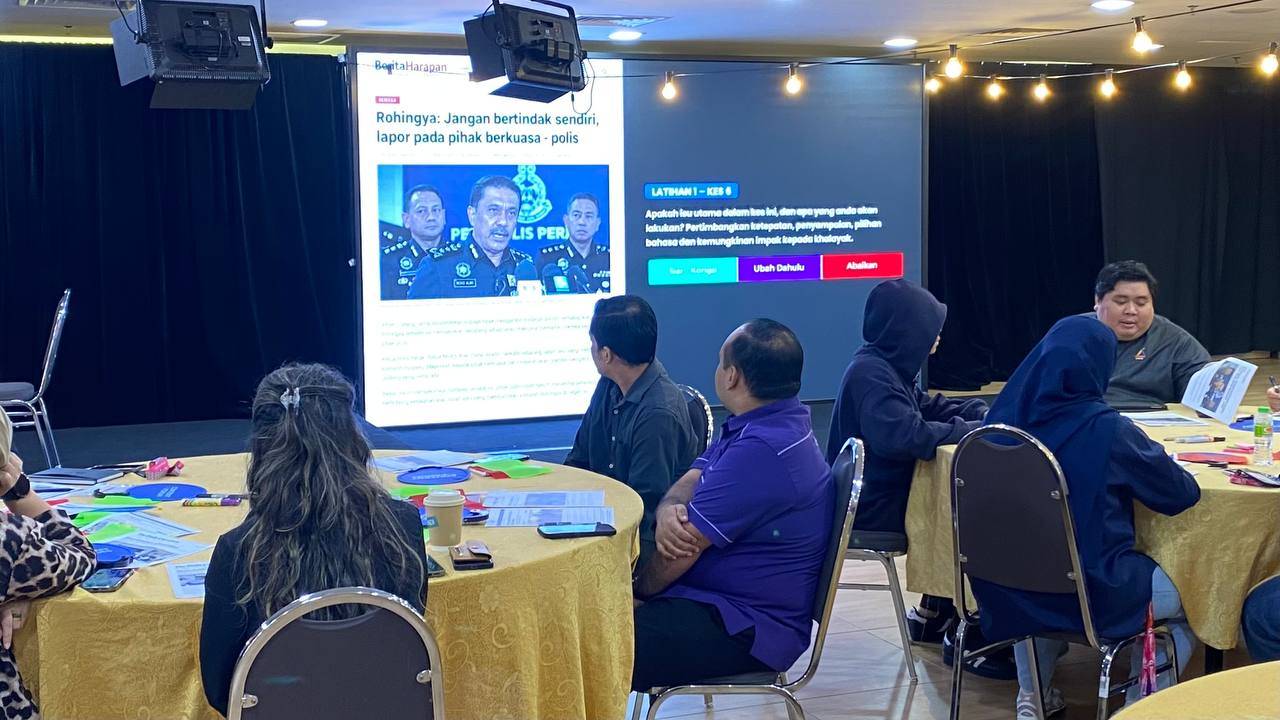
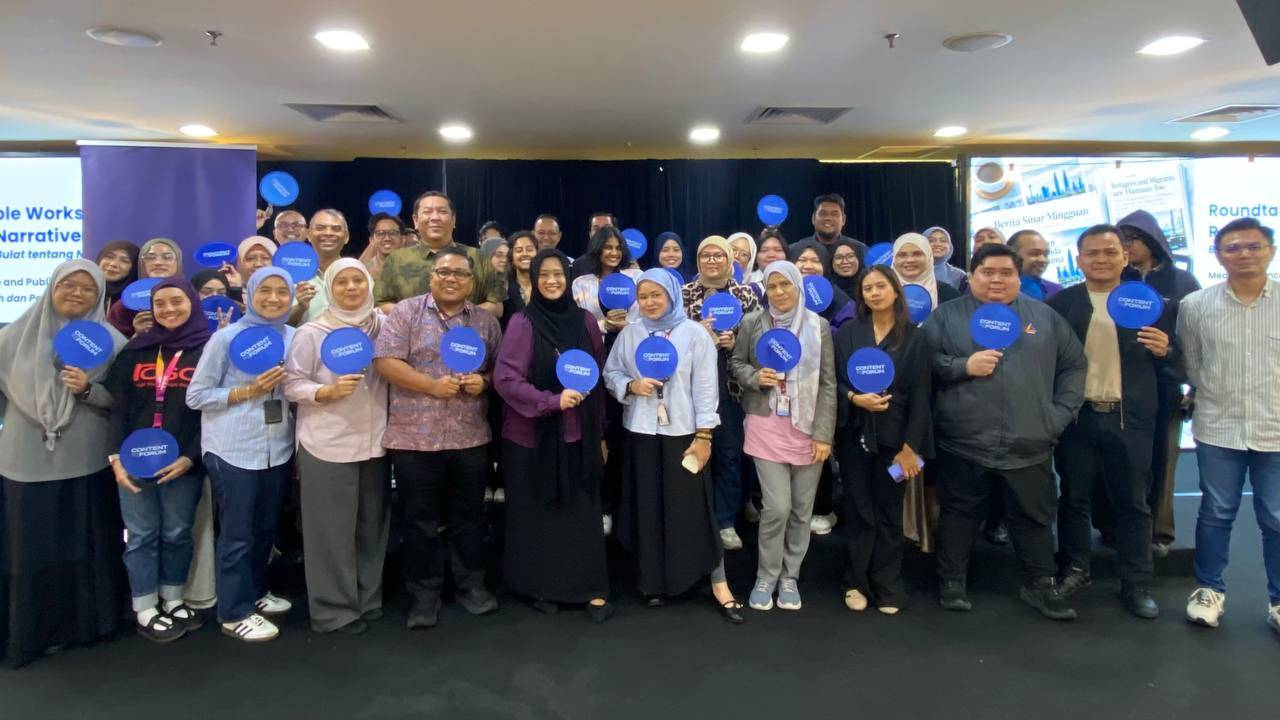
SHAH ALAM – A roundtable discussion involving media practitioners, publishers and civil society representatives has highlighted how headlines, images and missing context can shape public perceptions of refugees and turn individual cases into narratives about entire communities.
Organised by the Communications and Multimedia Content Forum of Malaysia (CMCF), the session was held at Kompleks Karangkraf on Wednesday to examine how news reporting and online content influence public understanding of refugee-related issues.
CMCF chief executive officer Mediha Mahmood said the session was not intended to dictate how journalists should report, stressing that the organisation remained a strong supporter of press freedom.
“All we wanted was to create a space where media practitioners can test their own decisions, look at real examples and ask whether the evidence truly supports the story being told.
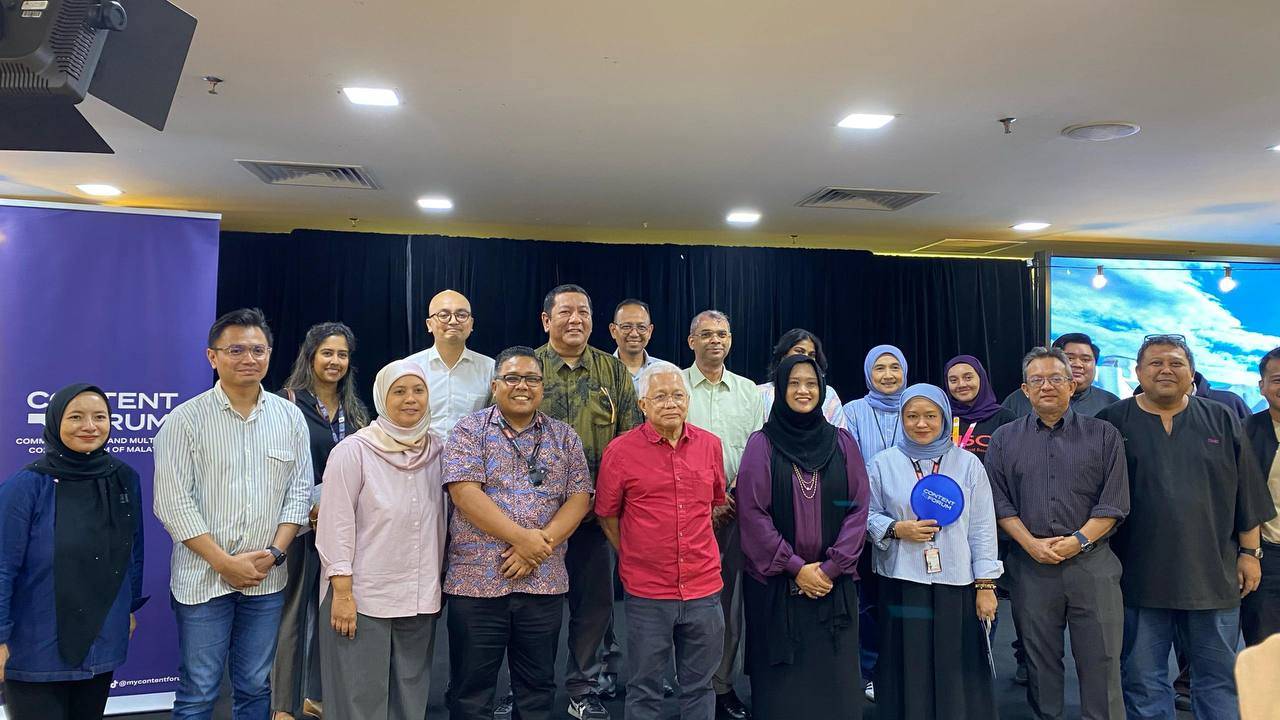
“It was also important to demonstrate and discuss how the stories can travel online and how netizens tend to react to them,” she said.
The discussion brought together media practitioners, publishers, non-governmental organisations (NGOs) and representatives from the Human Rights Commission of Malaysia (Suhakam) and the United Nations High Commissioner for Refugees (UNHCR).
Participants examined real cases to discuss how headlines, images and supporting context could shape reporting, particularly on sensitive issues involving refugees and migrants.
The session also involved departments across the Karangkraf Group, including editorial, publishing, marketing, digital and content teams, with Sinar Karangkraf chief executive officer Farah Hussamuddin attending.
Mediha said journalists and content publishers should question what they knew, what they assumed and whether their reporting accurately reflected the available evidence.
“What we hope to see is more confidence in asking a few basic questions before publishing or sharing: What do we actually know? What are we assuming? Is the headline supported by the evidence? Is important context missing?
“Are we describing the conduct of an individual, or unintentionally turning it into a narrative about an entire community?” she said.
The discussion also highlighted the need to handle unverified claims about individuals’ identities, nationality or migration status carefully, while avoiding sensational headlines and images that could expose vulnerable people to harm.
A practical editorial guide shared during the session encouraged media practitioners to verify information, assess whether a person’s refugee status or nationality was relevant to a story, and provide context on Malaysia’s policies and legal framework where necessary.
It also emphasised the responsible use of visuals, particularly images involving children, shelters or locations where identifying details could compromise an individual’s safety.
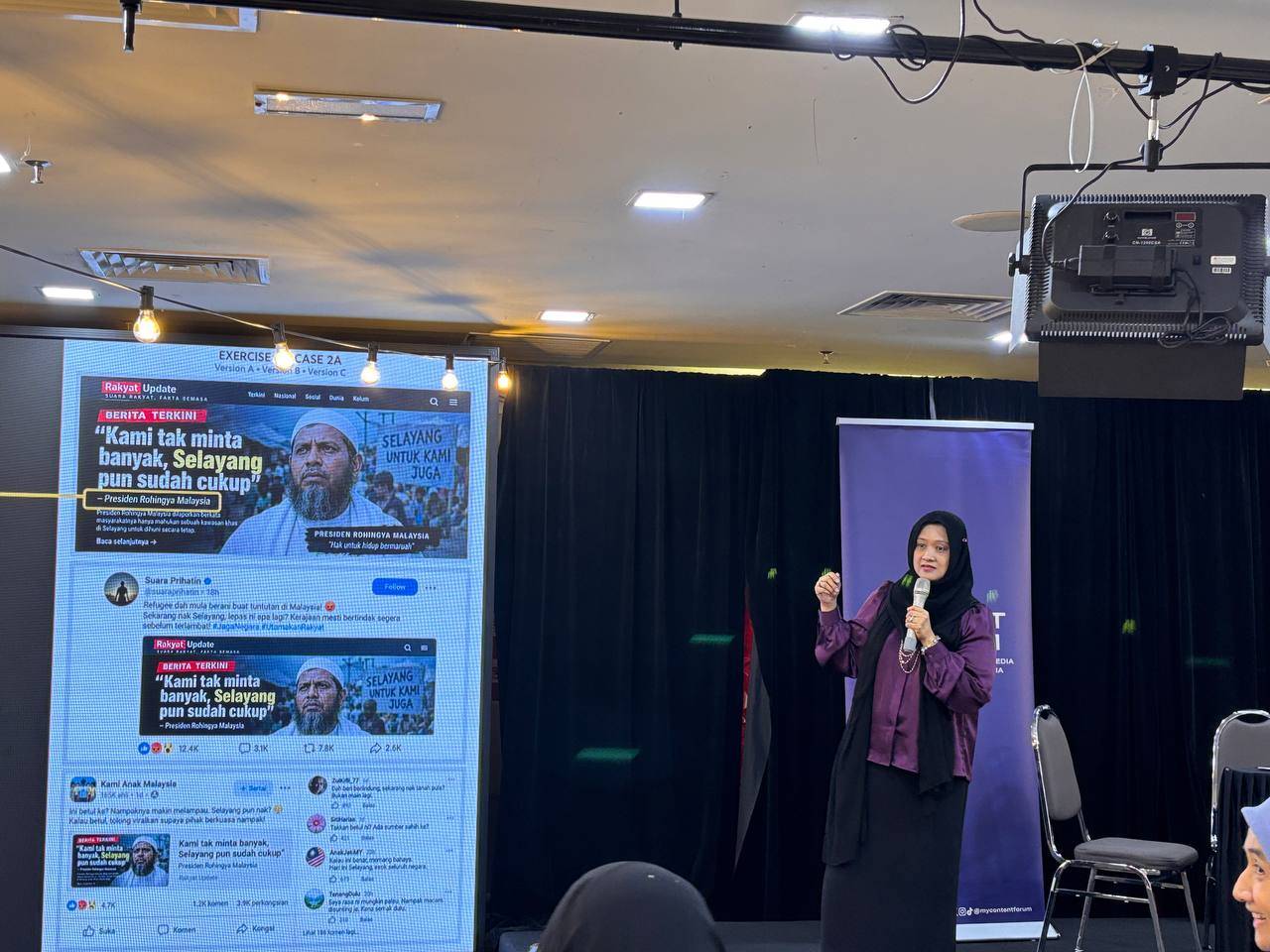
The guide further encouraged the inclusion of verified information, expert perspectives and human stories that reflected the dignity, resilience and contributions of refugee communities.
Mediha said the initiative would be useful if it helped strengthen verification, context and proportion in reporting on sensitive subjects.
“If this initiative can help strengthen that habit of verification, context and proportion, especially on sensitive issues, then it has done something useful,” she added.
Download Sinar Daily application.Click Here!