Homes that grow old with you: Malaysia rewrites housing rules for ageing nation
Beyond care centres and nursing homes, the guidelines would also cover private housing to support ageing in place, including by modifying existing homes.


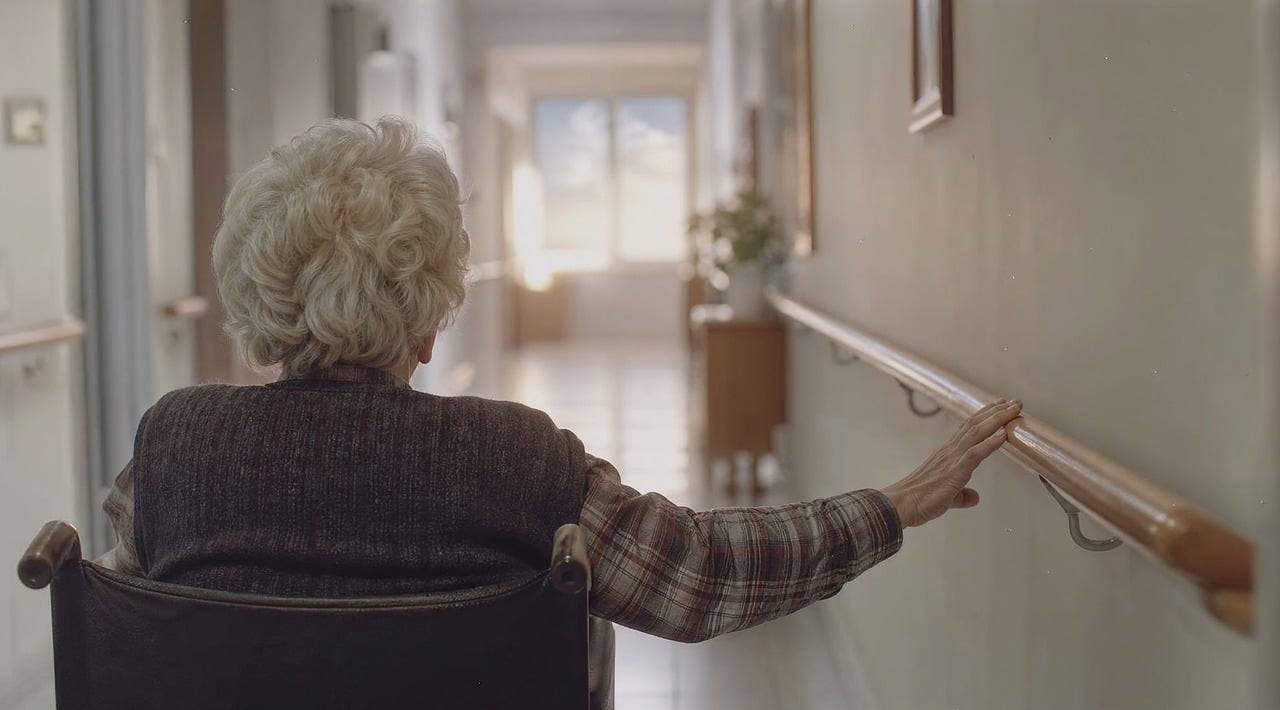
SHAH ALAM - Malaysia’s housing plans are shifting towards homes that can adapt to residents’ needs as they grow older, as the country approaches aged nation status by 2036.
Town and Country Planning Department (PLANMalaysia) said this approach was reflected in the draft amendments to the 2026 Physical Planning Guidelines for Older Persons (GPP EMAS), which were being prepared by the Housing and Local Government Ministry (KPKT).
Beyond care centres and nursing homes, the guidelines would also cover private housing to support ageing in place, including by modifying existing homes.
“The draft GPP EMAS outlines five key principles: safety, clarity, connectivity, barrier-free access and age-friendliness.
“These principles translate the needs of older persons into site planning, building and environmental design, accessibility, safety, and connections to healthcare facilities, community amenities, public transport and recreational facilities,” PLANMalaysia said.
The urgency of these measures is highlighted by projections that Malaysia will attain aged nation status by 2036, when people aged 60 and above are expected to account for 15 per cent of the total population.
This demographic shift means future housing plans must consider not only population growth and infrastructure provision but also residents’ ability to continue living safely as they grow older.
The same priority is reflected in the National Housing Policy 2026-2035 (DRN 2026-2035).
Meanwhile, Housing and Local Government Minister Nga Kor Ming said the needs of older persons must be considered not only in new housing developments but also in efforts to improve existing homes.
“New homes should be designed to meet needs throughout the life cycle, including accessible designs, step-free pathways, non-slip flooring and adequate space for older persons and wheelchair users to move around.
“At the same time, the focus should not be limited to new housing, as many older persons currently live in existing homes that may not have been designed to meet their needs as they grow older,” he told Sinar Harian.
He said modifications such as levelling floor surfaces, installing handrails, using anti-slip flooring and providing more wheelchair-friendly pathways should be encouraged.
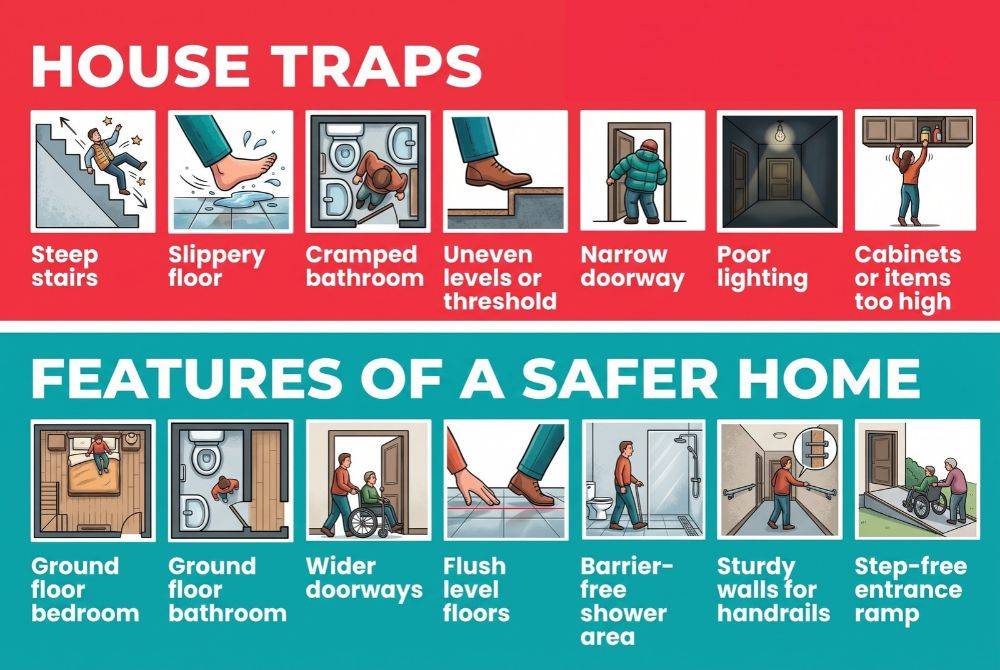
These measures would enable older persons to continue living independently in their own homes, rather than making relocation to a care facility their only option.
Changing family structures also mean future housing must take multigenerational living into account, allowing parents, children and grandchildren to live in the same environment without compromising space or privacy.
“Housing can no longer be viewed merely as a place to live, but must be planned as part of an ecosystem that supports people at every stage of life, until the end,” Kor Ming said.
Download Sinar Daily application.Click Here!