The algorithm trap: Older users at risk
Infinite scrolling and personalised content can narrow perspectives and leave seniors more vulnerable to manipulation and online fraud.
HAJAR NAZLI
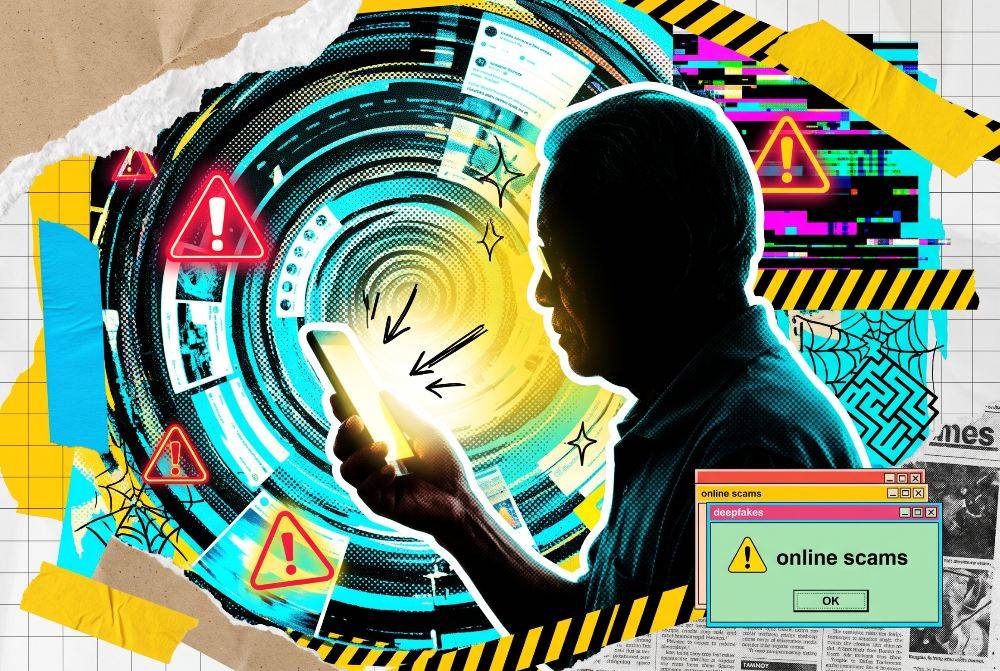
RECOMMENDATION algorithms, infinite scrolling and hyper-personalised content are increasingly drawing older users into prolonged screen time, exposing them to filter bubbles, disinformation and sophisticated online scams.
CyberSecurity Malaysia Chief Executive Officer Datuk Dr Amiruddin Abdul Wahab said modern video and social media platforms were designed to keep users watching, clicking, commenting and sharing.
Emotional or controversial content was often prioritised because it generated stronger reactions, allowing extreme views to gain traction quickly.
“Recommendation algorithms are designed to show users content that is likely to keep them watching, clicking, commenting or sharing. As a result, emotional or controversial content can sometimes be recommended more frequently because it generates stronger reactions,” he said.
Amiruddin said factors such as having more free time, social isolation or lower digital confidence could increase exposure among older adults, although vulnerability varied from person to person.
“The risk is that once someone repeatedly watches a particular type of content, the platform may continue recommending similar material. Over time, this can create a ‘filter bubble’, where users see more of the same views and fewer alternative perspectives,” he said.
He stressed that algorithms did not necessarily turn people into extremists, but repeated exposure could reinforce existing beliefs and make it harder to recognise misleading information.
Short-form platforms are also designed to minimise natural stopping points through features such as infinite scrolling, autoplay and frequent notifications.
“Each new video also offers the possibility of something interesting or entertaining, which encourages users to keep scrolling. Dopamine is involved in the brain’s reward and motivation systems, but it would be too simplistic to say that platforms simply ‘trigger dopamine’ to control users,” he said.
The constant engagement can also spill into family life, resulting in “phubbing” — snubbing people physically present by remaining focused on a phone.
“When adults are constantly distracted by their phones, children may receive less attention and fewer opportunities for meaningful interaction,” Amiruddin said.
He noted that children often copied adult behaviour, making digital safety a household responsibility rather than an issue for young users alone.
From a threat-intelligence perspective, CyberSecurity Malaysia also views hyper-personalised content through the OODA loop — Observe, Orient, Decide, Act.
Amiruddin said continuous exposure to one-sided information could distort the “orient” stage, potentially affecting subsequent decisions.
“The concern arises when a person becomes increasingly dependent on a limited number of sources and stops checking information against reliable or independent sources. This can make them more vulnerable to manipulation, disinformation and scams,” he said.
For older users, prolonged exposure to online echo chambers can create serious security risks, including deepfake investment advertisements, impersonation scams, malicious application links and emotional social engineering.
“The key message is simple, even if information comes from a familiar or trusted online community, it should still be independently verified before acting on it, especially before sharing personal information or transferring money,” he said.
He noted that the Royal Malaysia Police (PDRM) had recorded substantial financial losses involving senior citizens.
To reduce these risks, Amiruddin recommended practical household safeguards, including clearing viewing histories to reset recommendations, switching off non-essential notifications, disabling autoplay and establishing device-free family zones.
“Families can agree that phones are not used during meals, family discussions or at certain times before going to bed. These rules should apply to adults as well as children,” he said.
He also encouraged younger family members to help older relatives identify suspicious content and deepfakes, creating a collective digital safety net at home.
Victims of online financial scams should contact their banks immediately and the National Scam Response Centre (NSRC) at 997. Technical incidents can be reported to CyberSecurity Malaysia through its Cyber999 service or official portal at www.cybersecurity.my.
Download Sinar Daily application.Click Here!