Halal certification is more than just a logo, says minister
Religious Affairs Minister Dr Zulkifli Hasan says certified slaughterhouses undergo document assessments, on-site inspections and compliance monitoring


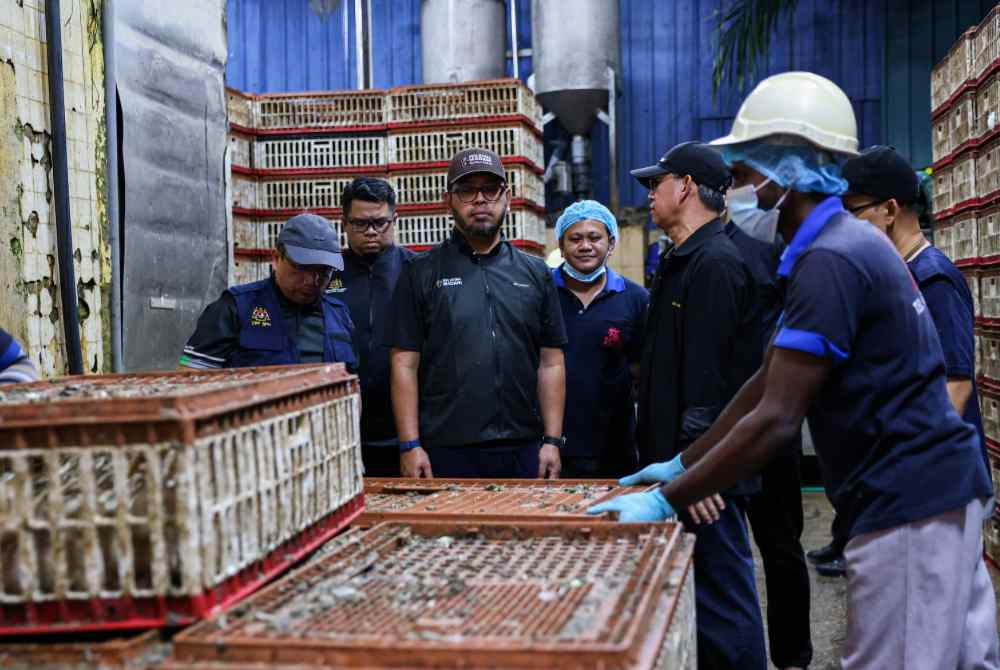
PUTRAJAYA – Malaysia's halal certification, issued by the Malaysian Islamic Development Department (Jakim), involves more than displaying a certificate or logo at business premises, as it requires comprehensive document assessments and on-site inspections to ensure compliance with halal requirements.
Minister in the Prime Minister's Department (Religious Affairs) Dr Zulkifli Hasan said the Malaysia Halal Certification (SPHM) application process involved assessments of supply sources, slaughtering processes, handling, cleanliness and internal halal control systems.
He said certified premises were also subject to ongoing monitoring and could face certification action if they failed to comply with the requirements.
"SPHM applications involve document assessments and on-site inspections covering supply sources, slaughtering processes, handling, cleanliness and internal halal control systems.
"After certification is granted, SPHM holders remain subject to monitoring and certification action in the event of non-compliance," he said in a statement following an inspection of an SPHM-certified slaughterhouse in Petaling Jaya, Selangor, early Thursday.
He said slaughterhouses holding SPHM had their compliance assessed through an auditing process and monitored throughout the certification period.
This gave consumers confidence that chicken slaughtering and handling processes complied with Malaysia's halal certification requirements.
"The main difference between slaughterhouses with SPHM and those without certification is that premises holding the certificate have undergone an assessment and verification process under the Malaysia Halal Certification System.
"However, the absence of SPHM does not automatically mean that the slaughtered meat is non-halal. Rather, it means the premises have yet to obtain verified compliance status through the certification system.
"An operating licence, meanwhile, should not be equated with halal certification," he said.
In this regard, he encouraged slaughterhouse operators to apply for SPHM to strengthen operational controls, improve supply traceability and boost customer confidence.
The public was also urged to distinguish between viral claims and verified investigation findings, and to avoid drawing conclusions about all slaughterhouses based on non-compliance at a particular premises.
Consumers were advised to prioritise supplies from halal-certified sources and verify their certification status through the Malaysia Halal Portal.
"Halal is a shared trust. Operators are responsible for maintaining compliance, while consumers have the right to accurate information and supplies they can trust," he said.
Download Sinar Daily application.Click Here!