Pejuang questions authenticity of viral Pardons Board minutes
Muhammad Rafique Rashid Ali questions who disclosed the documents, whether their reclassification was authorised and why minutes from earlier meetings have not received similar attention


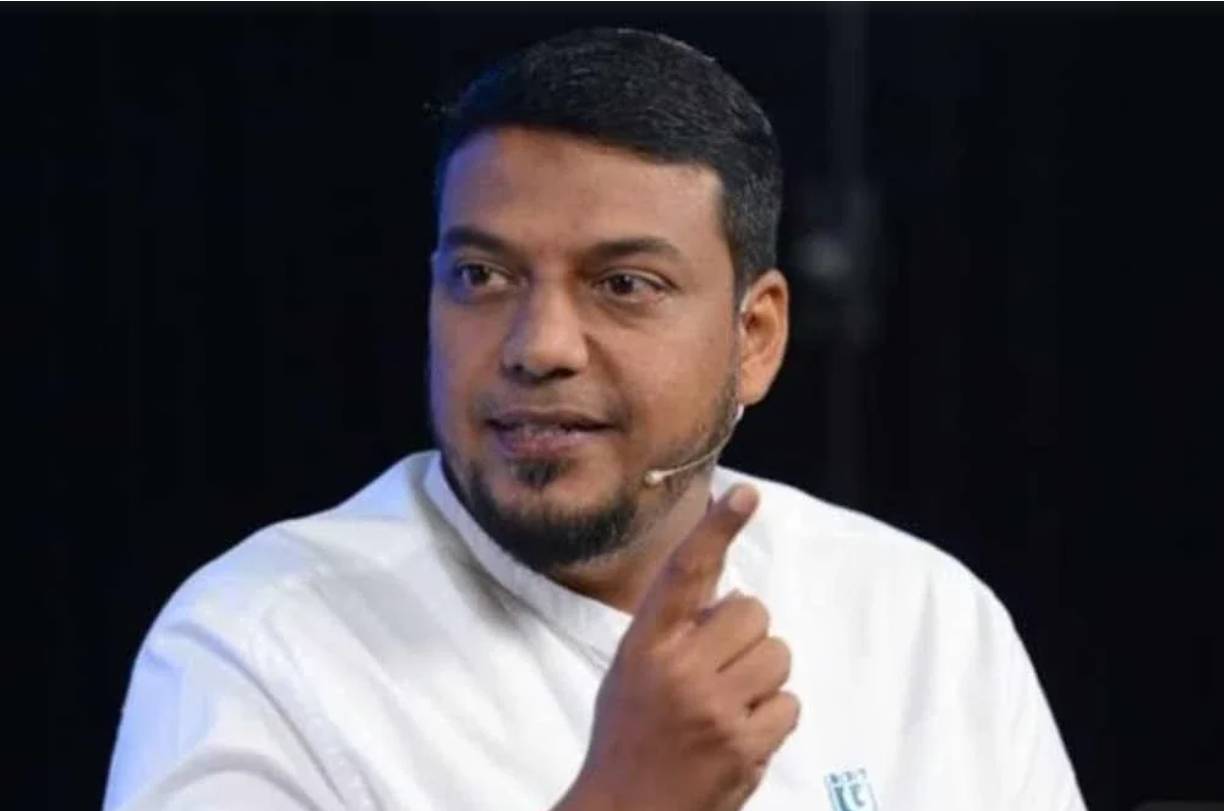
SHAH ALAM – Parti Pejuang Tanahair (Pejuang) has questioned the authenticity of documents allegedly containing the minutes of the 64th Pardons Board meeting held on Sept 18, 2026, which have gone viral.
Pejuang Information Chief Muhammad Rafique Rashid Ali said clarification was needed on who had disclosed the documents and who had reclassified them from confidential to public, including whether the disclosure was authorised.
He said Section 2C of the Official Secrets Act 1972 provides for the reclassification of official secrets by a Minister or an authorised public officer.
However, he said it was necessary to establish whether the provision applied to the documents in question and whether their disclosure was lawful.
"Strangely, media attention has focused more on the contents of the documents, which allegedly show objections by the Attorney-General and the Federal Territories Minister to the proposed house arrest," he said in a statement on Wednesday.
He also questioned the timing of the disclosure, which came after Pakatan Harapan (PH) suffered major defeats in Johor, Negeri Sembilan and Melaka.
While acknowledging that the timing could be coincidental, he said multiple coincidences in politics could raise questions.
Rafique also questioned why only the minutes of the Sept 18, 2026 meeting had attracted attention, when those of the 60th Pardons Board meeting on Dec 8, 2023, and the 61st meeting on Jan 29, 2024, were also important in understanding the pardon process involving former prime minister Datuk Seri Najib Tun Razak.
"We still remember Prime Minister Datuk Seri Anwar Ibrahim's statement in Parliament about his role in bringing Najib's pardon issue for consideration when Al-Sultan Abdullah chaired the Pardons Board," he said.
He said the contents of the earlier meeting minutes should also be scrutinised, including whether they were consistent with explanations previously given to Parliament.
He added that these questions could be addressed through proper legal channels, taking into account confidentiality requirements and applicable laws.
"It is good if transparency is truly the principle, but genuine transparency should not depend on documents that serve only the interests of certain parties," he said.
He said those seeking to establish the truth should provide a comprehensive explanation rather than disclose selected portions of documents.
"If the intention is truly to let the people know the truth, provide a comprehensive explanation, not just selected portions that are convenient for headlines.
"Selective disclosure is not a sign of transparency," he said.
He also urged those seeking to reveal the truth not to release documents selectively and in stages to portray certain parties as free from wrongdoing.
Download Sinar Daily application.Click Here!