MCMC strengthens national cyber defences as scam losses reach RM19.7 billion
Programmes such as NEXSEC2026 were important in raising community awareness and encouraging organisations to undertake the migration process internally.


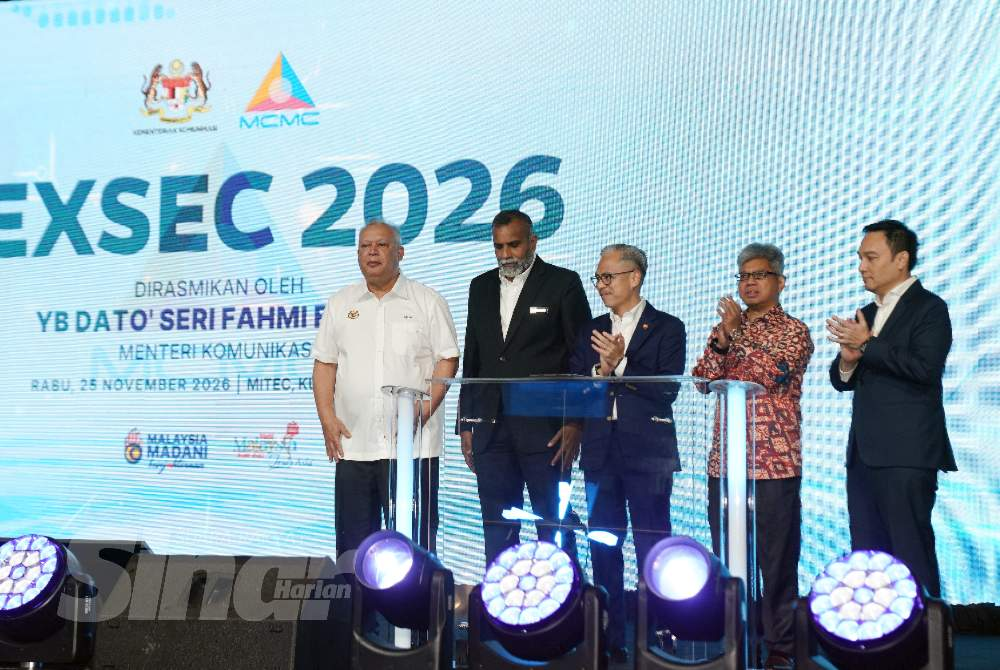
KUALA LUMPUR – Malaysia's estimated RM19.7 billion in scam losses over a year has highlighted the urgent need to strengthen national cybersecurity measures, as authorities intensify efforts to protect the public against increasingly evolving digital threats.
The Malaysian Communications and Multimedia Commission (MCMC) is reinforcing these efforts through NEXSEC2026, which focuses on operational readiness, strategic cooperation, technological innovation and talent development.
Communications Minister Datuk Seri Fahmi Fadzil said government initiatives, particularly those undertaken by MCMC in collaboration with telecommunications companies, had helped reduce several forms of scams, including call spoofing.
“Although we have taken several measures, criminals will certainly look for new ways.
“It is certainly a priority for MCMC to work with organisations such as the Global Anti-Scam Alliance (Gasa) to identify measures that can be implemented to improve security and protect Malaysians from scam crimes,” he said.
He was speaking at a press conference after officiating NEXSEC2026, themed ‘Advancing Cyber Resilience Through Collaboration, Innovation and Talent’, at the Malaysia International Trade and Exhibition Centre (MITEC), today.
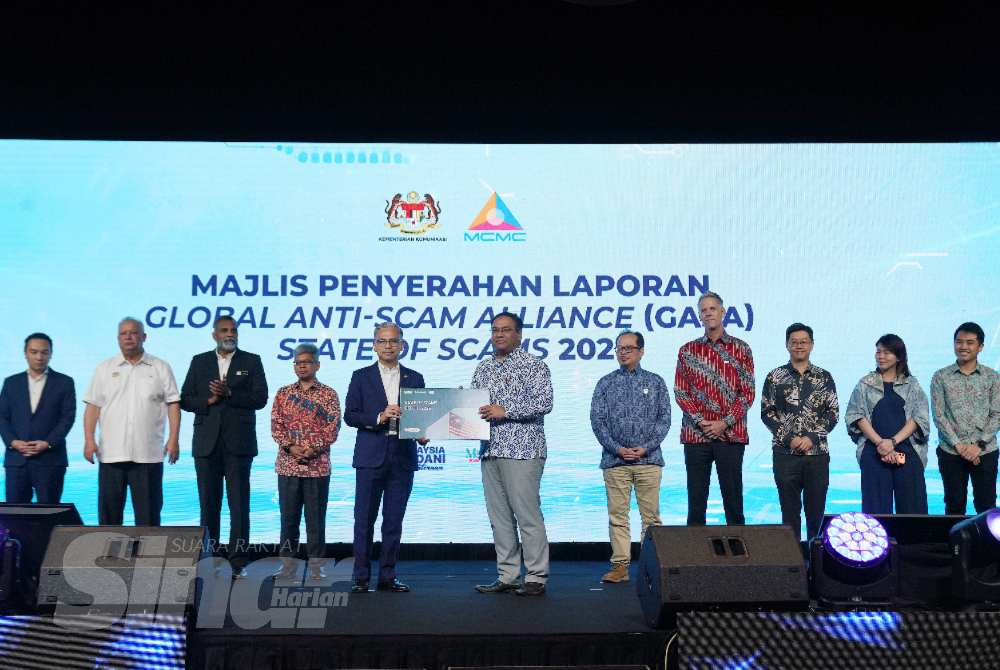
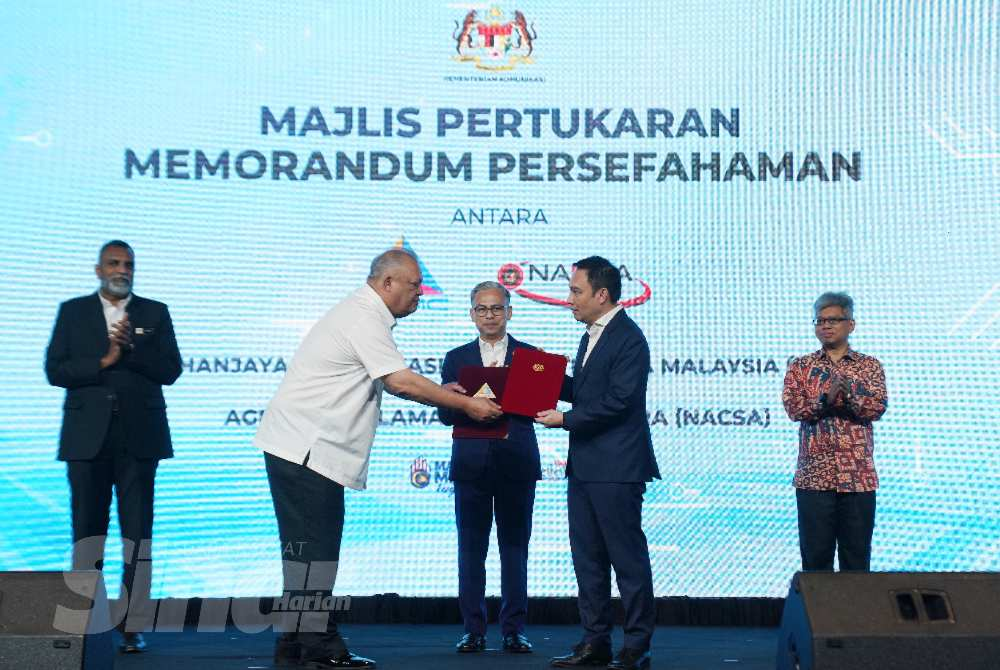
Fahmi also received Gasa's official report detailing the estimated scam losses in Malaysia over the one-year period and witnessed the exchange of a memorandum of understanding (MoU) between MCMC and the National Cyber Security Agency (Nacsa).
The MoU aims to strengthen information sharing on cyber threats, response coordination and capacity development between the two agencies, in accordance with their respective functions and jurisdictions.
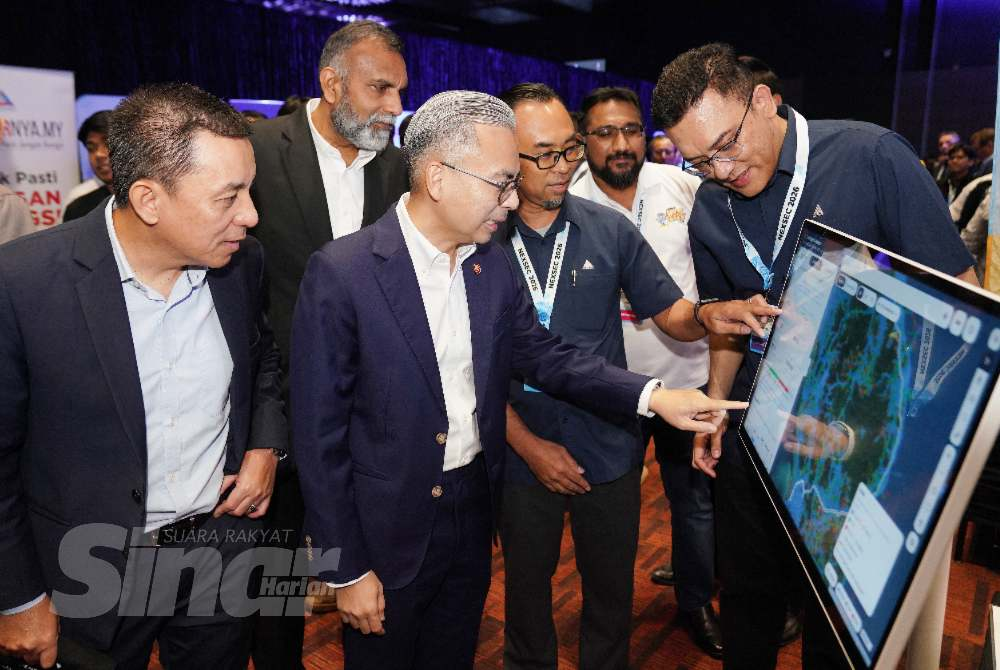
The two-day event brought together more than 1,500 participants, including representatives from the government, security agencies, industry, higher education institutions and Asean member countries.
Fahmi also stressed the importance of strengthening Malaysia's preparedness for emerging technologies, particularly artificial intelligence (AI) and quantum computing, to safeguard the country's digital infrastructure.
He hoped NEXSEC2026 would also raise public awareness and provide students with opportunities to develop their cybersecurity skills through engagement with industry players.
The event featured four main components, namely competitions, symposiums, exhibitions and roundtable discussions.
Meanwhile, Malaysian Centre for Cryptology Technology and Management (PTPKM) director Professor Datuk Dr Muhammad Rezal Kamel Ariffin said Malaysia needed to identify the use of cryptography throughout its digital ecosystem to determine which systems required replacement.
He explained that cryptography was a fundamental component of digital security, protecting activities ranging from online banking and purchases to communications through email and applications such as WhatsApp and Telegram.
“Malaysia needs to look at where cryptography fits into our entire digital ecosystem and what needs to be replaced.
“Malaysia has also launched the National Post-Quantum Cryptography (PQC) Migration Plan 2025-2030, with the initial focus for the first five years being on National Critical Information Infrastructure (NCII),” he said.
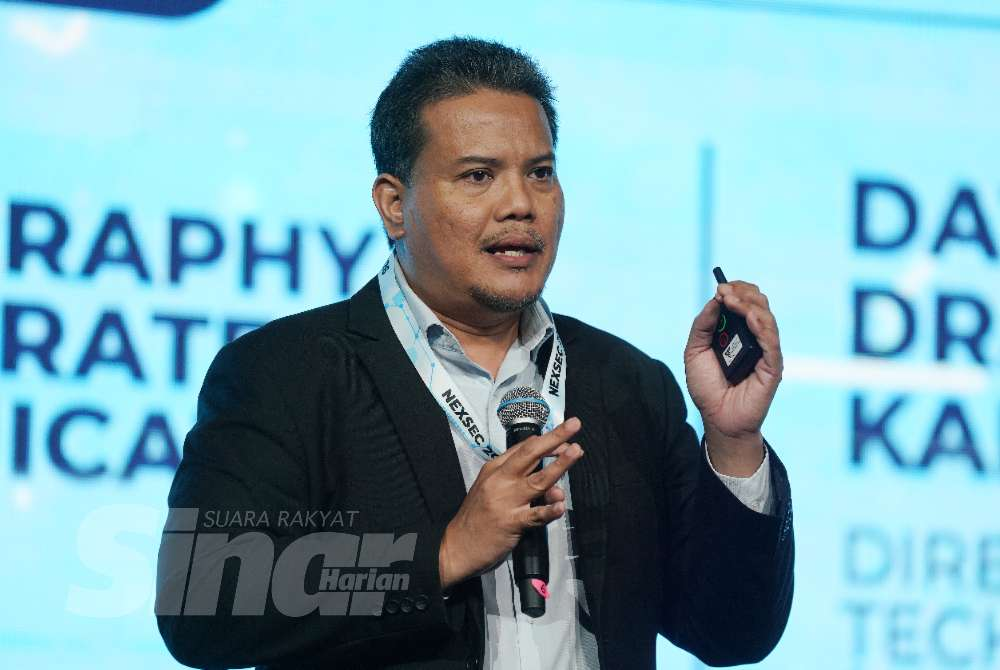
Rezal was among the speakers at NEXSEC2026, where he presented ‘Post-Quantum Cryptography in Practice: Migration Strategies for Secure Communications’ during a technology sharing session.
He said programmes such as NEXSEC2026 were important in raising community awareness and encouraging organisations to undertake the migration process internally.
He added that a consulting firm, in a report released in August, ranked Malaysia as a Tier One country, placing it among only two countries implementing the migration in an organised manner.
On local cryptographic technology development, Rezal said PTPKM had guided industry players through a sandbox programme in 2025, which resulted in 40 beta-version technologies that had yet to be commercialised.
Download Sinar Daily application.Click Here!