Pentas.io, the trailblazing NFT marketplace in Malaysia


Non-fungible tokens, or NFT have exploded in popularity. It has changed the way we own things digitally.
While OpenSea, Axie Marketplace, Rarible are some well-known NFT marketplaces, here on our grounds, a locally owned NFT Marketplace called Pentas.io has steadily garnered a huge following.
The best analogy to describe Pentas.io would be to think of it as Alibaba or Amazon, only NFT marketplaces such as Pentas.io trade digital assets, and not physical items.
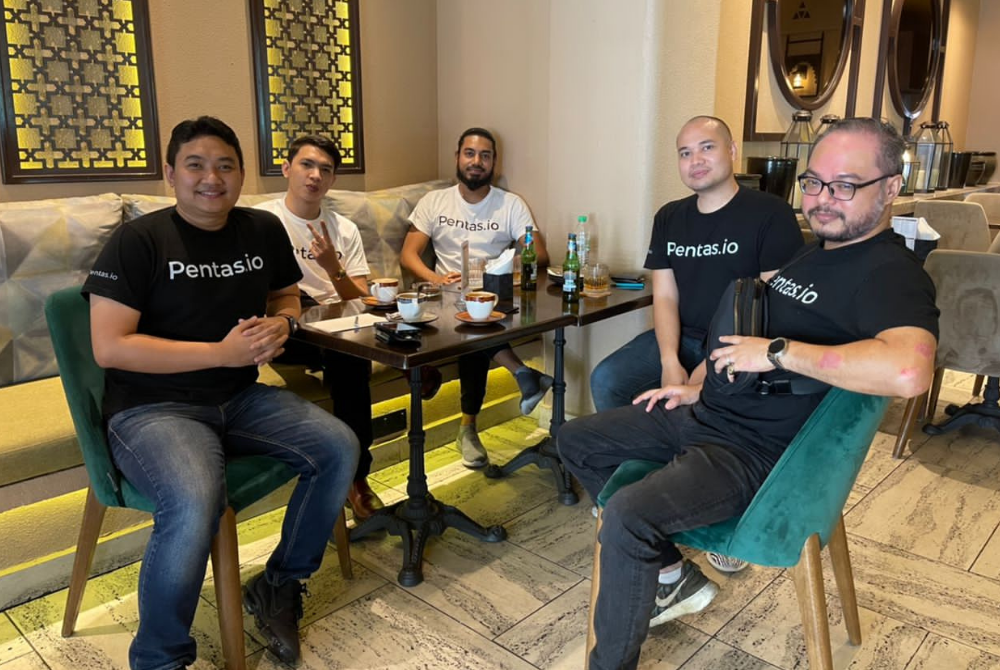
Pentas.io is the brainchild of five friends – Mohamad DW (Mo), Muhaimin Hadri, Izzan Zinol, Marish Molah and Irsyad Saidin who launched Pentas.io in August last year after months of discussion and planning.
This idea to build Pentas.io came about when the quintet came to realise no NFT marketplace had existed in the region yet at the time.
But while Pentas.io is born in Malaysia, it serves the worldwide market, said one of its co-founders, Mo.

Priding itself as an inclusive marketplace, creators of the digital artwork who want to sell their digital artwork could be anyone regardless of age.
In fact, on Pentas io itself, they have a creator as young as twelve years old. A Bad Ape NFT creator named Munzir Yasin said he was drawn to explore Pentas.io when he realised that NFT is the next big thing.
As a creator, Munzir said the satisfaction of being a creator is when people express their appreciation towards his artwork, and even better when it gets sold out.
But his advice to newcomers would be to thoroughly study what NFT is all about before dipping their toes in the NFT world.
Find out more about Pentas.io and NFT in Bang For Your Buck's new episode out now.
Download Sinar Daily application.Click Here!