Iranian panel approves controversial hijab law
21 Aug 2023 10:06pm

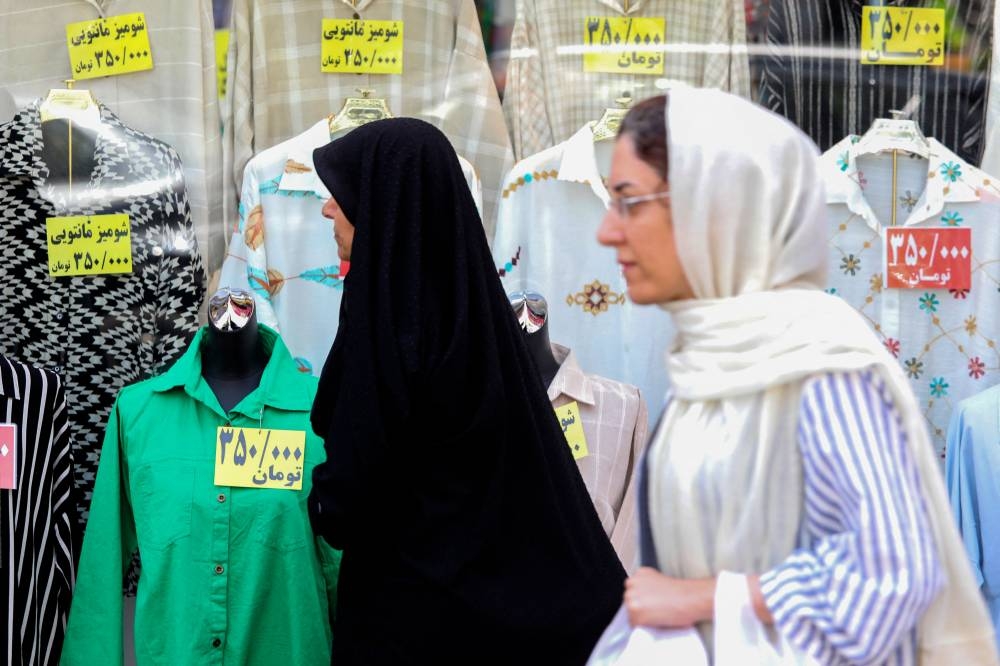
Iranian women shop at the Tajrish bazaar in northern Tehran on August 16 2023 - AFP
The regulation, which is not yet in force, stipulates severe penalties for those disregarding the dress code.
In extreme cases, the punishment could be 15 years in prison, and fines could reach more than €5,000 (US$5,450). Foreign women opposing the law can be expelled from the country. Insulting a veiled woman can result in six-month imprisonment and 74 lashes.
The penal reform is a response by the political leadership to the protests led by women against the republic in autumn 2022.
The protests were sparked by the death in custody of a Kurdish-Iranian woman, allegedly after she infringed the dress code for women when in public.
The protests have since died down, but many women in the cities are refusing to wear the headscarf as a form of silent protest.
For months, hardliners have been calling for tougher action against violations of the dress code.
Criticism of the legislation led to the government appointing a special commission to approve the law, meaning that it did not require a full parliamentary vote.
Iran's Supreme Leader Ayatollah Ali Khamenei, who has the final say in all strategic matters, was also consulted for the new law and affirmed that wearing a hijab is a religious duty.
At the same time, women with ill-fitting headscarves are not opponents of religion and revolution, he said recently.
Wearing a hijab has been law in Iran for more than 40 years - BERNAMA
Download Sinar Daily application.Click Here!