Political parties will control mosque if JPKK participates in the committee elections
AISYAH BASARUDDIN
SHAH ALAM - The move by Terengganu's Pas to involve the Village Development and Security Committee (JPKK) in the mosque committee elections is feared to hinder unity among the people.
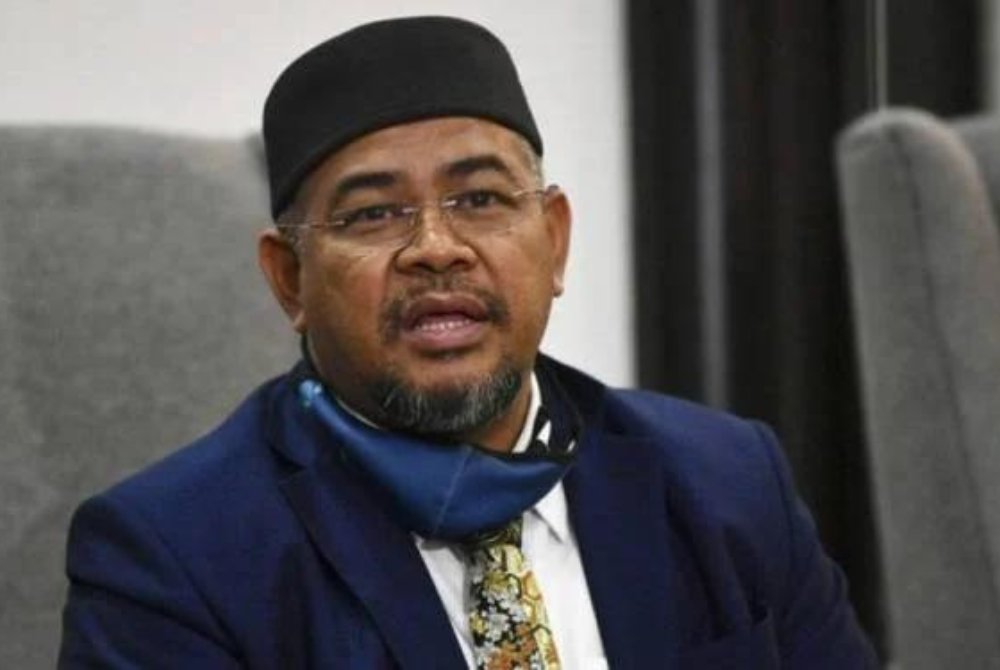
Umno Ulama Council member Datuk Dr Mohd Khairuddin Aman Razali claimed that political interference in the selection of mosque committee members would occur if the JPKK is involved.
"It's clear that this is to ensure that the ruling party can control all mosques because it is well known that JPKK members are among the Pas branch committee members in villages.
"Partisan politics will colour the mosques. The unity that is expected will turn into division, and there will be mosque committee members who won't attend the mosque," he said in a Facebook post today.
He made these comments after Terengganu's Exco for Information, Preaching, and Sharia Empowerment, Muhammad Khalil Abdul Hadi, announced the move to involve JPKK.
Muhammad Khalil said it was to ensure that the appointment of mosque committees in all parishes would run smoothly, transparently, and effectively.
Mohd Khairuddin, who is also a former Pas Ulama Council Secretary, believes that mosque committee elections should not be influenced by political support, but rather, he called on the Terengganu Islamic Religious Council (MAIDAM) to scrutinize the matter.
"The selection of mosque committee members should be from among the parishioners who always enrich the mosque, regardless of their political affiliation.
"Free the mosques from political party interference," he said.
Download Sinar Daily application.Click Here!