8 must-try Malaysian flavours that will leave you wanting more
Malaysia’s iconic dishes are more than just meals; they’re windows into the country’s vibrant history and diverse cultures.


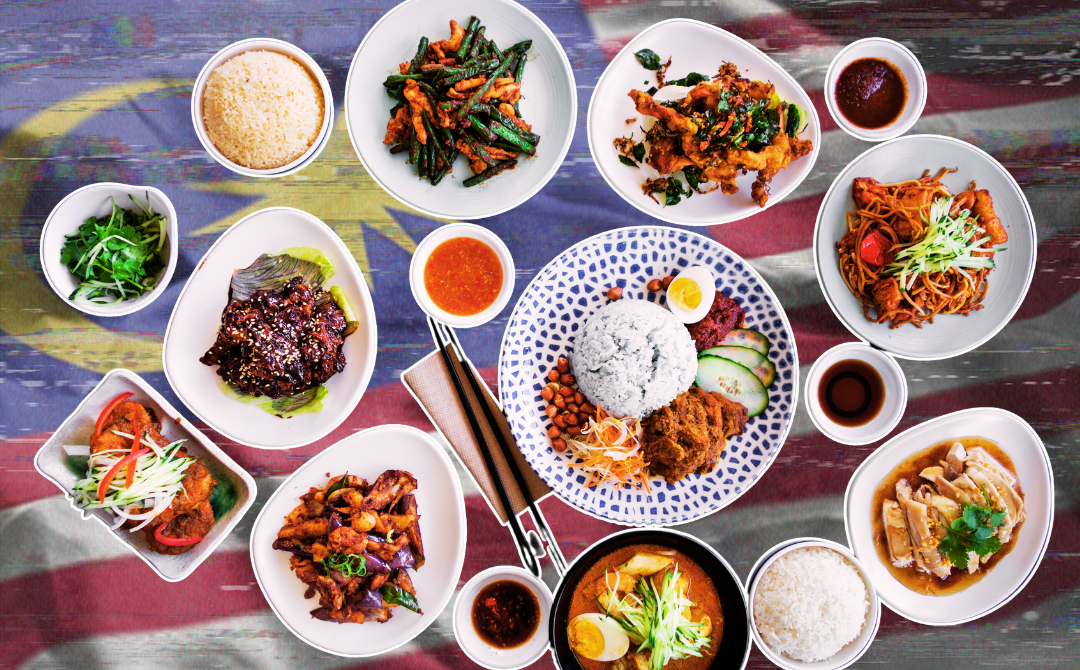
MALAYSIA isn’t just a country rich in culture, diverse races, and a vibrant history — it’s also a paradise for food lovers.
Every dish here carries more than just flavours; it carries a story. From the lively streets of Penang, where hawker stalls sizzle with tantalising aromas, to the serene kampungs of Kelantan, where traditional recipes have been passed down for generations, Malaysia’s food scene reflects its colourful heritage.
These iconic dishes are more than just meals — they are windows into the past, showcasing the blend of influences from Malay, Chinese, Indian, and Indigenous culinary traditions.
Each plate is crafted with unique ingredients and techniques that make it stand out while celebrating the diversity that Malaysia is known for.
So, whether you’re indulging in the creamy richness of nasi lemak, or savouring the smoky char of char kway teow, you’re not just eating — you’re experiencing a journey through Malaysia’s rich history and cultural tapestry.
Let’s dig into the fascinating stories behind some of the country’s most beloved dishes!
NASI LEMAK
Nasi lemak, often crowned as Malaysia’s national dish, traces its roots to humble beginnings as a farmer’s meal. Traditionally prepared with fragrant coconut rice, sambal, fried anchovies, peanuts, and hard-boiled eggs, this dish provided farmers with the energy to work long hours in the fields.
Over time, it evolved to include a variety of side dishes like fried chicken, sambal squid, and beef rendang. Today, nasi lemak is enjoyed across Malaysia as a breakfast staple and has even earned a spot on international menus, representing the unity of flavours Malaysians hold dear.
CHAR KWAY TEOW
Char kway teow, a smoky, stir-fried noodle dish, originated from Chinese immigrants who settled in Penang. The dish was traditionally cooked by fishermen’s wives using leftover flat rice noodles and fresh seafood from the day’s catch.
With the addition of soy sauce, bean sprouts, and eggs, it became a quick and hearty meal. What sets char kway teow apart is the "wok hei" (breath of the wok), a signature smoky flavour achieved by cooking it over high heat. It's now a must-try dish for tourists and locals alike.
ROTI CANAI
Roti canai, a round, flatbread popular in Southeast Asia, is especially loved in Malaysia, Brunei, Indonesia, Singapore, and Thailand.
It’s enjoyed at any time of the day — breakfast, lunch, tea, or dinner — often paired with teh tarik or iced tea. Typically served with dhal curry, sambal, or fish curry, this crispy and flaky bread has become a staple in Malaysian mamak culture.
In 2022, TasteAtlas ranked Malaysia’s roti canai as the world’s best street food, and in 2023, it earned the top spot on their list of the best breads globally.
The dough is carefully kneaded, flipped, and stretched before being cooked on a hot griddle, creating its iconic texture. Today, roti canai remains a comforting and iconic dish enjoyed by locals and visitors alike.
LAKSA
Laksa is a testament to Malaysia’s multicultural heritage, blending Malay, Chinese, and Peranakan influences.
The most famous variant, Penang’s asam laksa, features a tangy tamarind-based fish broth, while the creamy curry laksa popular in the south uses coconut milk. The dish’s origins are believed to stem from the spice trade era when traders introduced new flavours to the region.
Today, laksa is celebrated for its bold, aromatic taste and is a star at food festivals worldwide.
SATAY AND NASI IMPIT
Satay has its roots in the Indonesian archipelago but was quickly embraced and adapted by Malaysians. This beloved dish features skewered, marinated meat grilled to perfection over charcoal, giving it a distinct smoky aroma.
Traditionally paired with a rich, flavourful peanut sauce, satay is accompanied by cucumber slices, onions, and nasi impit — compressed rice cakes that absorb the peanut sauce beautifully, adding a soft yet satisfying texture to each bite.
Satay has become a symbol of celebration, served at festivals, weddings, and family gatherings. It’s not just a dish but a shared experience, often enjoyed around communal grills or at bustling night markets.
The secret to its irresistible flavour lies in the marinade, typically a fragrant blend of lemongrass, turmeric, galangal, and other spices, which infuse the meat with a unique depth of taste. Together with nasi impit, satay represents Malaysia’s culinary tradition of combining bold flavours with simple, comforting accompaniments.
MEE KOLOK
Mee Kolok is a popular Sarawakian dish consisting of dry noodles tossed in a savoury mixture of pork (or chicken, duck for Halal versions) and shallots, then topped with fragrant fried onions.
Known for its lightness and transparent sauce, it differs from other Asian noodle dishes like wonton mee, as it is not drenched in dark soy sauce and does not have water added to the noodles when served.
This dish is commonly enjoyed at any time of the day — whether for breakfast, lunch, or supper. Mee Kolok is typically served in two flavours: plain or seasoned with a red sauce from char siu marination.
The springy noodles are often paired with a side of soup and soy sauce for added flavour, while the topping of spring onions and fried shallots gives it a sweet crunch.
RENDANG
Rendang, a slow-cooked beef or chicken dish, has its roots in Minangkabau culture, brought to Malaysia by the Minangkabau people of Sumatra.
Traditionally prepared for festive occasions and weddings, rendang symbolises community and celebration. The dish involves hours of simmering meat in a fragrant mixture of coconut milk, lemongrass, and spices, resulting in a rich, tender delicacy.
While it originated in Indonesia, Malaysians have embraced rendang as their own, with regional twists in its preparation.
TEH TARIK
Teh tarik, or "pulled tea", is more than just a drink — it’s a performance.
The tea is "pulled" by pouring it back and forth between two cups to create a frothy top. This method cools the tea while blending it with condensed milk for a creamy texture. Often enjoyed with roti canai or nasi lemak, teh tarik has become a symbol of Malaysian mamak culture, bringing people together over lively conversations.
Malaysia’s iconic dishes are more than just meals; they’re windows into the country’s vibrant history and diverse cultures. Each dish tells a unique story of migration, adaptation, and innovation that continues to shape the nation’s identity.
So, the next time you savour a plate of nasi lemak or sip on teh tarik, remember that you’re experiencing a taste of Malaysia’s rich heritage, one bite at a time.
Download Sinar Daily application.Click Here!