6 signs social media engagement during mourning becomes unhealthy
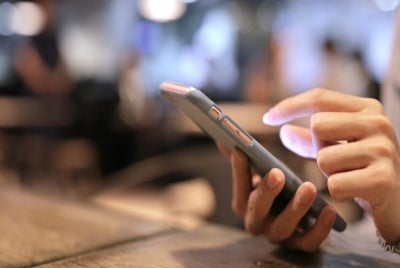
While online platforms can provide comfort, excessive reliance on them can hinder the natural grieving process.



Grief is a deeply personal experience and in today’s digital age, many turn to social media as a space to express their sorrow, find support or honour the memory of their loved ones.
While online platforms can provide comfort, excessive reliance on them can hinder the natural grieving process.
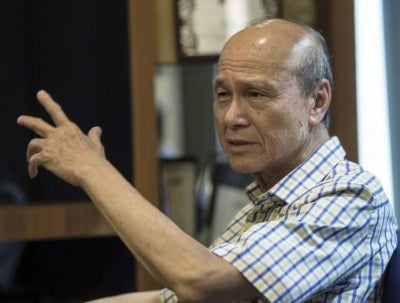
Psychiatrist and Malaysian Mental Health Association (MMHA) President Professor Datuk Dr Andrew Mohanraj warns that social media engagement during mourning becomes unhealthy when it interferes with emotional processing, daily functioning or leads to maladaptive coping mechanisms.
Here are six signs that social media use during grief may be doing more harm than good.
1. Using Social Media to Avoid Grief

One of the most concerning signs is turning to social media as a distraction from mourning. Constantly scrolling, posting or engaging online to avoid painful emotions might offer temporary relief, but suppressing grief can have long-term consequences.
“Avoiding painful emotions may seem easier in the short term, but unprocessed grief can resurface later in more distressing ways, such as depression, anxiety or emotional numbness,” Andrew said.
Rather than using social media to escape, it is important to allow space for personal reflection and emotional processing.
2. Seeking Validation Through Likes and Comments
While sharing memories of a lost loved one is natural, an unhealthy pattern emerges when individuals become dependent on digital validation.
The number of likes, comments or shares can start to feel like a measure of how much their grief is acknowledged or understood.
“Some individuals develop a dependence on digital validation, seeking reassurance through online engagement to affirm their emotions or self-worth.
“However, relying on external validation can make it harder to process grief internally or find solace in meaningful, in-person relationships,” he said.
3. Feeling Anxious When Not Online
A sign that social media use has become unhealthy is an inability to disconnect. If someone feels anxious, guilty or distressed when they are not constantly checking updates related to their loss, this could indicate an unhealthy attachment to online mourning.
Andrew warns that this can prevent people from engaging in healthier coping mechanisms, such as personal reflection, seeking professional help or spending time with supportive loved ones.
True healing happens offline as much as online and it is essential to strike a balance.
4. Excessively Revisiting Memories Online
It is normal to reminisce about a loved one by looking at old photos, posts or messages.
However, if this turns into an obsessive habit that causes emotional exhaustion, it might signal that a person is stuck in their grief.
“Revisiting memories can be comforting, but an inability to step away may indicate being stuck in grief, preventing gradual acceptance and adjustment.
“Healing involves honouring the past while finding ways to move forward, not being trapped in a cycle of reliving the pain,” he said.
5. Neglecting Responsibilities and Relationships
Social media should not replace real-life support systems. If excessive online engagement leads to ignoring work, responsibilities or meaningful in-person interactions, it could be a sign of unhealthy grieving.
Andrew stressed that grief should be integrated into daily life, not overshadowed to the point where basic needs and relationships suffer.
“Prioritising offline connections, maintaining routines and seeking emotional support in the real world can help in the healing process,” he added.
6. Using Social Media as a Coping Crutch
While social media can be a helpful outlet, Andrew stressed that it should not be the only way someone copes with loss. Over-reliance on digital spaces might delay deeper healing and personal acceptance of grief.
Healthy grieving involves a mix of coping strategies, including self-reflection, meaningful conversations, professional support and personal time away from screens.
If social media becomes the primary or only way to process grief, it may be time to step back and explore other avenues for emotional healing.
Finding a Healthy Balance
Social media can be a valuable tool for mourning, but as Andrew pointed out, it should not replace real-life emotional processing and support. Recognising when online engagement becomes excessive or harmful is essential for a healthier grieving journey.
If you or someone you know is struggling with grief and finding it hard to disengage from social media, consider seeking professional guidance.
Healing takes time and while digital spaces can provide comfort, true emotional recovery happens in the real world.
Download Sinar Daily application.Click Here!