Greenland ice melts 17 times faster during heatwave, threatens sea levels and infrastructure
In Iceland, the temperature exceeded 26 degrees Celsius (79 Fahrenheit) on May 15, unprecedented for that time of year on the subarctic island.

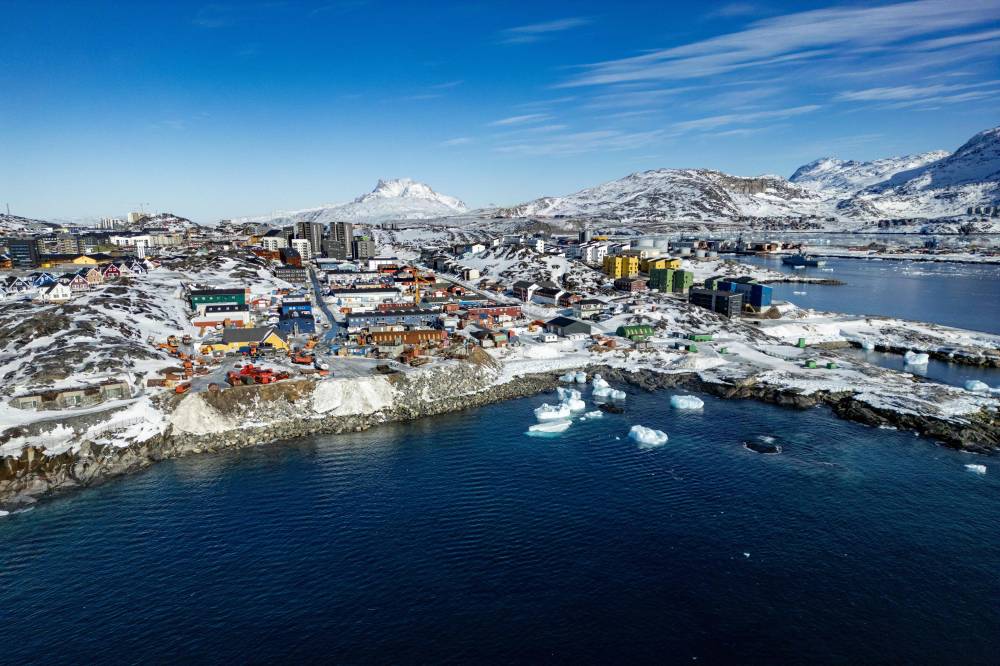
COPENHAGEN - Greenland's ice sheet melted 17 times faster than the past average during a May heatwave that also hit Iceland, the scientific network World Weather Attribution (WWA) said in a report recently.
The Arctic region is on the frontline of global warming, heating up four times faster than the rest of the planet since 1979, according to a 2022 study in scientific journal Nature.
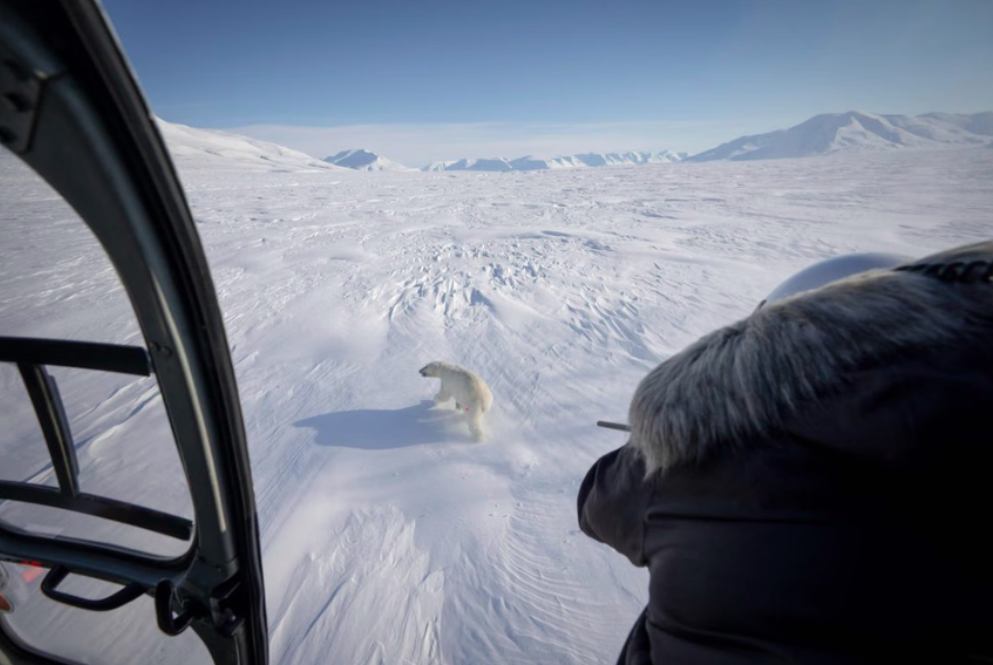
"The melting rate of the Greenland ice sheet by, from a preliminary analysis, a factor of 17... means the Greenland ice sheet contribution to sea level rise is higher than it would have otherwise been without this heat wave," one of the authors of the report, Friederike Otto, associate professor in climate science at the Imperial College London, told reporters.
"Without climate change this would have been impossible," she said.
In Iceland, the temperature exceeded 26 degrees Celsius (79 Fahrenheit) on May 15, unprecedented for that time of year on the subarctic island.
"Temperatures over Iceland as observed this May are record-breaking, more than 13 degrees Celsius hotter than the 1991-2020 average May daily maximum temperatures," the WWA said.
In May, 94 percent of Iceland's weather stations registered record temperatures, according to the country's meteorological institute.
In eastern Greenland, the hottest day during the heatwave was about 3.9 degrees Celsius warmer compared to the preindustrial climate, the WWA said.
"While a heatwave that is around 20 degrees Celsius might not sound like an extreme event from the experience of most people around the world, it is a really big deal for this part of the world," Otto said.
"It affects the whole world massively," she said.
According to the WWA, the record highs observed in Iceland and Greenland this May could reoccur every 100 years.
For Greenland's indigenous communities, the warmer temperatures and melting ice affect their ability to hunt on the ice, posing a threat to their livelihood and traditional way of life.
The changes also affect infrastructure in the two countries.
"In Greenland and Iceland, infrastructure is built for cold weather, meaning during a heatwave ice melt can lead to flooding and damage roads and infrastructure," the WWA said. - AFP
Download Sinar Daily application.Click Here!