'Win-win' and still pushing: Asia reacts to Trump tariffs
Cambodian Prime Minister Hun Manet called it "the best news for the people and economy of Cambodia to continue to develop the country".

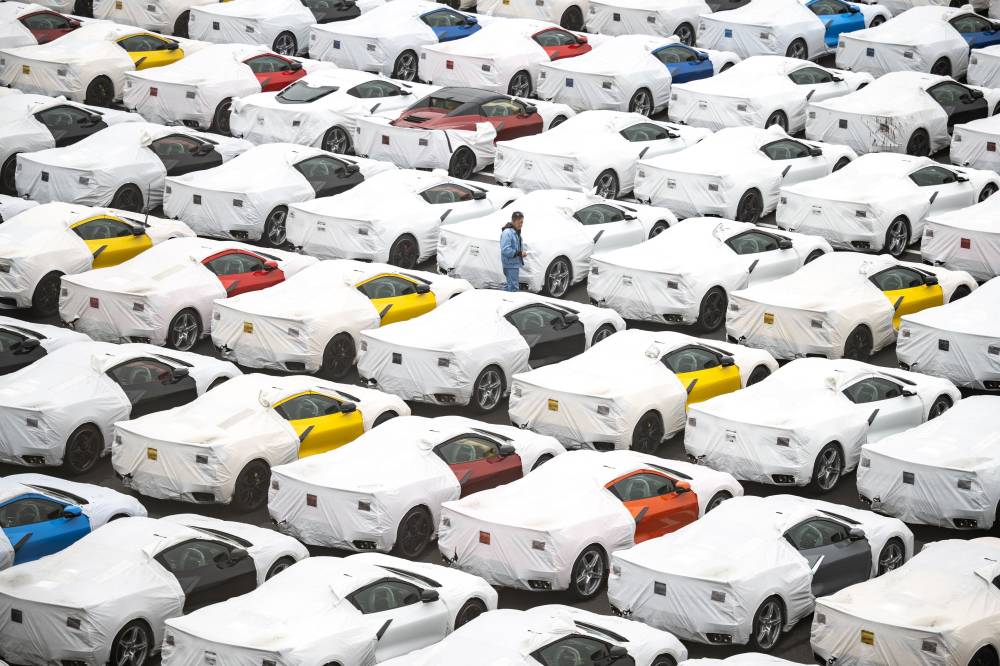
TOKYO - Some Asian nations reacted with relief Friday after US President Donald Trump announced tariffs that in some cases were lower than threatened, and delayed by a week to August 7.
But others -- including chip powerhouse Taiwan -- still hope to negotiate lower rates, and uncertainty remains over transshipments and levies on Japanese cars.
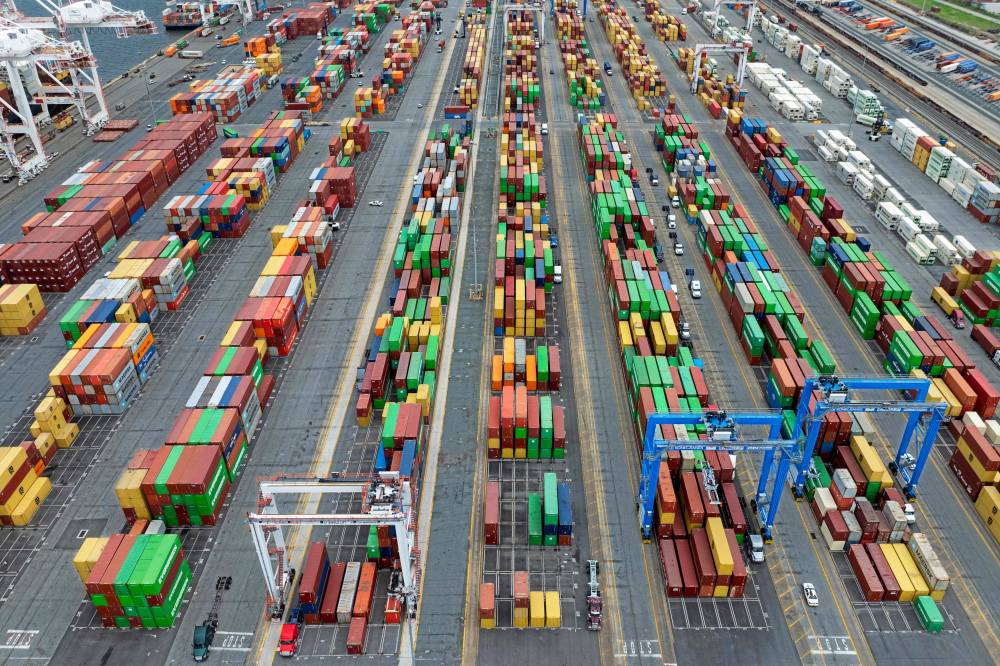
Trump's announcement does not cover export giant China -- currently in negotiations on a trade deal ahead of an August 12 deadline -- but here are how some other Asian economies reacted:
Thailand: 'major success'
The 19 per cent levy for Thailand and Cambodia -- fresh from border clashes that killed over 40 people -- is a let-off from the threatened 36 per cent.
Thailand called it a "major success" and a "win-win approach aimed at preserving Thailand's export base and long-term economic stability".
The US trade deficit with Thailand hit $45.6 billion in 2024. Its main exports include machinery, vehicles and auto components.
Cambodia: 'best news'
Cambodian Prime Minister Hun Manet called it "the best news for the people and economy of Cambodia to continue to develop the country".
The major manufacturer of low-cost clothing for Western brands was initially menaced with a tariff of 40 per cent.
Neighbouring Vietnam concluded an agreement with Washington at the beginning of July on a rate reduced to 20 per cent.
What about transshipments?
But Washington also intends to impose a 40 per cent surcharge on goods transported to the United States via third countries -- known as transshipments.
This could hurt in particular nations in Southeast Asia, whose production chains are closely linked to China.
Many Cambodian factories for example are Chinese-owned and the White House has accused the kingdom of allowing Chinese goods to stop over on the way to US markets, skirting steeper rates imposed on Beijing.
Experts however are unclear on how Washington will define these "transshipment" goods.
Taiwan: still pushing
Taiwanese President Lai Ching-te called its 20 per cent tariff announced by Trump "temporary... with the possibility of further reductions should an agreement be reached."
The US president had threatened to hit the island with a 32 per cent tax and possible duties on the island's huge semiconductors shipments.
Soaring demand for Taiwan's AI chips industry has fuelled its trade surplus with Washington, putting it it in the crosshairs of Trump's tariff blitz.
Washington "needs Taiwan in supporting resilient supply chains, in supporting manufacturing and some high-end technologies," Vice President Hsiao Bi-khim said recently.
Japan: car confusion
A tariff of 15 per cent agreed on last week between Japan and Washington -- down from a threatened 25 per cent -- is due to be applied from August 7.
But Japanese auto exports were already being hit by a 25 per cent rate, and Tokyo wants to know when this will be lowered too.
Japan "will continue to call on the US side promptly to take measures to implement the recent agreement, including reducing tariffs on automobiles and auto parts," government spokesman Yoshimasa Hayashi said Friday.
Confusion also surrounds Trump's claim that Japan -- as a "signing bonus" -- will invest $550 billion in America, which will recoup 90 per cent of the profits. - AFP
Download Sinar Daily application.Click Here!


