Bullies, bystanders and the broken system
We’ve seen the bruises. We’ve seen the funerals. We just haven't seen enough accountability.


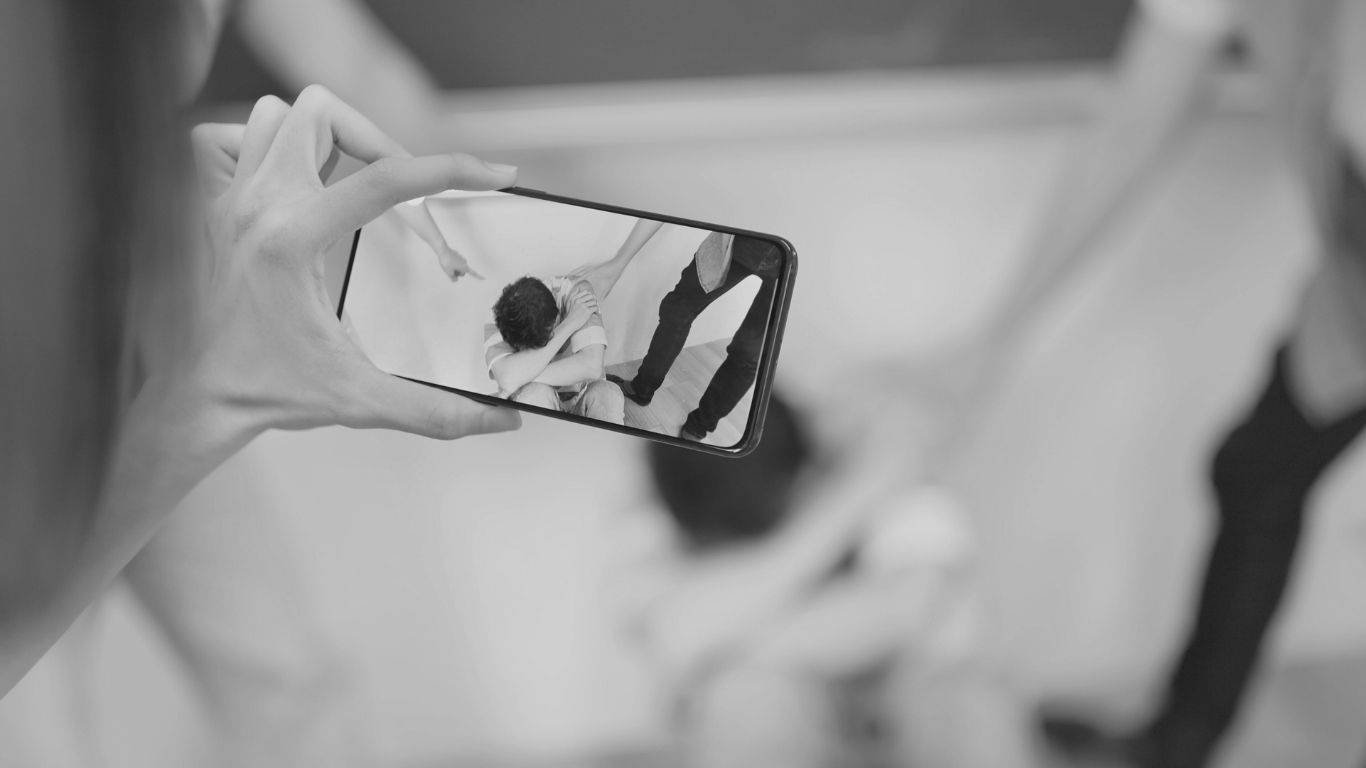
BULLYING in Malaysia is not a breaking issue. It's a broken one.
Whether it happens at school hallways or in hostel rooms, the fact is that bullying isn't just "kids being kids." It's violence. It's abuse. A slow and silent execution of another person's spirit.
And the adults keep asking the wrong question "why didn't anyone say anything?" when the question should be "why didn't anyone do anything?"
This commentary isn’t about raising awareness, we’re far past that.
Malaysia has no shortage of bullying cases. Some cases make headlines, many more are quietly buried and forgotten.
We’ve watched the viral clips, heard the screams behind shaky phone cameras. We’ve seen the bruises, we’ve seen the funerals. But we just haven't seen enough accountability.
Because at this point, awareness isn’t what’s lacking, it’s action. And that means holding not just the bullies accountable, but also the silence and inaction that allowed it to happen.
Who should be punished?
Let's draw a straight, unapologetic line here:
1. The bullies
They’re not just "kids who made a mistake." They are people who deliberately inflicted harm mentally, physically and emotionally to another person. Whether it’s a slap, a kick, a cruel joke, or a video shared for laughs, these actions are not accidents.
They are calculated acts of dominance, meant to embarrass, control and destroy. And for that, they deserve to be held accountable, not excused, not quietly transferred and certainly not allowed to thrive while their victims struggle to heal.
If someone can dehumanise another person for sport, that’s not immaturity. That’s a warning sign. Rehabilitate them, yes. But do not romanticise their "potential" while ignoring the damage they've caused.
2. The bystanders
You watched. You filmed. You shared the abuse for laughs. You whispered about it in corners but stayed silent when it mattered most. These aren’t harmless acts, they are active choices. You gave the bully an audience. You handed them power. And worse, you are telling the victim their pain wasn’t worth standing up for.
No one expects you to be a hero. But when you choose to stay quiet while someone else suffers, you become part of the harm. That choice carries weight. And it carries consequences.
3. The adults in charge
Teachers, wardens and principals, you hold authority, but more importantly, you hold responsibility. When students raise complaints and you dismiss them, you fail them. When you ignore red flags to protect the school’s reputation, you enable the abuse. When you downplay harm or silence the truth, you contribute to the damage.
You don’t earn the right to act shocked when tragedy strikes. Not if you spent years looking the other way and pretending everything was fine.
We expect presence. We expect courage and we expect that when a child says "I don’t feel safe," someone listens and acts.

"The Glory" held up a mirror
Sometimes, fiction tells the truth better than reality ever dares. The Glory, the hit South Korean series on Netflix, hit a nerve because it echoed what so many victims of bullying live through.
The main character, Moon Dong-eun, survives brutal bullying that was so graphic and horrifying that many thought it was exaggerated. It wasn’t.
The story was inspired by a real-life bullying incident in South Korea where the school and society turned away from the victim.
The Glory gave us something haunting, which is the long shadow of revenge. In the series, years later, the bullies are still haunted. Their past catches up. They cannot hide forever.
Here in Malaysia, there is no Moon Dong-eun character coming back to deliver justice. But that doesn’t mean justice shouldn’t be delivered.
What’s different about The Glory and real life? In the show, the revenge was fiction. In real life, our silence allows the damage to linger, in broken confidence, buried trauma and lives forever changed.
When warnings are ignored
And if you think bullying is something that "just gets out of hand," look no further than the brutal death of Zulfarhan Osman Zulkarnain in 2017.
The navy cadet at Universiti Pertahanan Nasional Malaysia (UPNM) was tortured by his own coursemates who repeatedly pressed hot steam iron onto his body.
A total of 90 burn wounds were found on the front and back of his body, both his hands and legs as well as his private parts which covered about 80 per cent of his body surface.
He was also beaten, kicked and punched, injuries so severe they ultimately led to his death all in the name of a baseless accusation and warped sense of justice.
Eighteen men took part in what became a sadistic ritual of violence, carried out not in the shadows of society, but within a university designed to instil honour and discipline.
What’s more damning in Zulfarhan’s case was how it was reported and then ignored.
During the incident, a fellow student, overcome with fear for his own safety, sent anonymous letters, one slipped at the gate of the military hospital, the next under a trainer’s room door pleading for help because Zulfarhan was clearly being abused.
The recipient of the letter spread it via a WhatsApp group instead of taking action and Zulfarhan was quietly moved to another room rather than receiving care.
If these were warning shots, they were silenced. A desperate reach for help ended in betrayal by those entrusted to act. It wasn’t incompetence, it was complicity.
If anyone needs proof of what happens when silence wins and systems fail, Zulfarhan’s story should haunt us into action.
And let's not pretend bullying only bruises the body. Sometimes, it crushes the soul. Just ask anyone following the recent devastating case of Zara Qairina Mahathir, the 13-year-old student from a religious boarding school in Papar, Sabah.
Zara was found unconscious on the ground floor of her school dormitory in the early hours of July 16, believed to have fallen from the third floor. She was later pronounced dead at the hospital.
The death quickly drew national attention and triggered various speculations with claims from family members alleging that she had been repeatedly bullied and sexually harassed.
While investigations are still ongoing, police have not ruled out bullying as a possible factor of Zara's death, based on what they uncovered so far.
And if it turns out that Zara was indeed bullied, then her death isn’t just a tragedy, it’s a failure on every level.
A young girl cried out for help and no one answered. She was failed by the very people and systems meant to protect her.
"They turned out just fine"
Many who were bullied in school carry the trauma like an invisible scar. Long after the bruises faded, the memories stayed.
On social media, victims of bullying shared how their bullies once slammed their heads against tables "just for fun," and recalled the sting of public humiliation, mocked, taunted, broken as teachers turned a blind eye.
The pain resurfaced not because they hadn’t moved on, but because the story of Zulfarhan and other victims was theirs too, just with a different ending.
Today, those same bullies are successful, living their best lives, thriving. But the victims? They still flinch at the memories.
That’s the cruel irony of bullying. The tormentor often turns out just fine, while the ones they hurt spend adulthood picking up the pieces.
And society, too often, rewards confidence without questioning its cost.
To those reading this
If you’ve ever said "Kesian, but what can we do?"
Here’s your answer: Speak, report, act. Don’t just circulate the video. Report it to the police.
And if you're a bully reading this, whatever you think you're doing for power, respect, or control, you're writing your own downfall. Because the world is watching now.
Download Sinar Daily application.Click Here!


