How personalised cancer treatment is shaping a more hopeful future
While traditional treatments like chemotherapy and radiotherapy have been lifesavers for many, a new era of cancer care is emerging, one where treatment is as unique as the individual.
NUR ADNIN MAHALIM
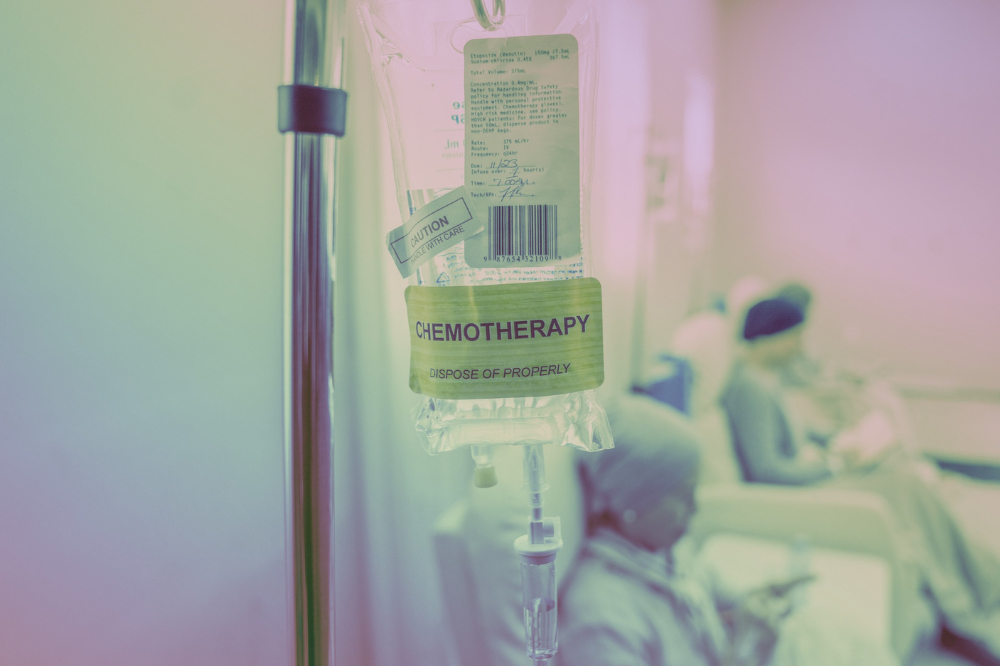
A cancer diagnosis can feel like a journey into the unknown, a path filled with uncertainty and a sense of losing control.
While traditional treatments like chemotherapy and radiotherapy have been lifesavers for many, a new era of cancer care is emerging, one where treatment is as unique as the individual.
This is the world of personalised cancer treatment, a revolution in medicine that is reshaping the patient experience and offering a renewed sense of hope.
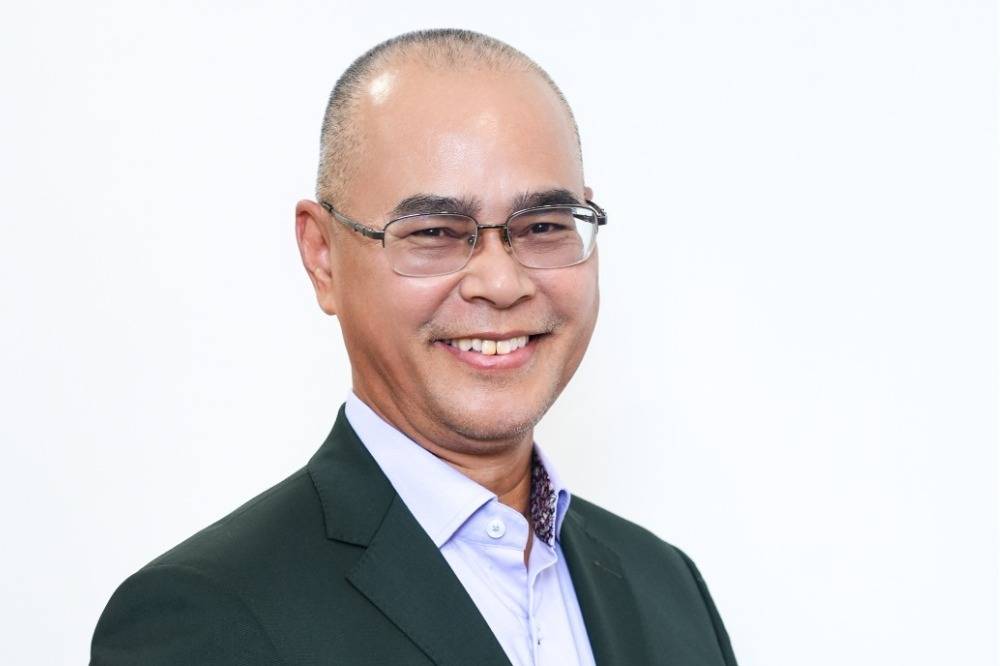
According to Dr Matin Mellor, a consultant clinical oncologist at OncoCare Cancer Centre Malaysia, the sobering statistic of 1 in 8 Malaysians facing a lifetime risk of cancer is not the full picture.
“This is merely an observation of the incidence and mortality rates reflecting currently reported disease patterns and deaths,” Dr Matin said.
In fact, he pointed out that in many developed countries, this lifetime risk can be much higher, ranging from one in two to one in four.
“It may mean that our reporting is not as comprehensive as we would like it to be.
"It is a common feeling amongst practising oncologists that a significant number of individuals with cancer are not reported for whatever reasons," he added.
What personalised treatment really means
The concept of personalised cancer treatment may sound complex, but Dr Matin breaks it down simply.
“‘Personalised Cancer Treatment’ means that treatment is dictated by the presence of mutation in the gene that is ‘driving’ the cancer causing all the attributes of cancer – invasion into surrounding tissues and distant spread,” he said.
With advances in molecular testing, doctors can now detect mutations quickly and match them with targeted therapies.
He uses lung cancer as an example:
“In Asians with lung cancer called adenocarcinoma, the most common mutation seen is the Epidermal Growth Factor Receptor (EGFR).
“The most appropriate treatment for that individual should be an anti-EGFR with or without chemotherapy.
“Another patient who possesses different “driver” mutation will be treated with a drug that targets the said mutation, thus the term ‘personalised cancer treatment’,” Dr Matin said.
Same diagnosis, different pathways
Not all cancers of the same type behave the same way.
Dr Matin illustrated this with breast cancer:
“Patients who exhibit HER2 +ve status would need chemotherapy plus anti HER2 therapies.
“Patients with hormone receptor positive status may receive chemotherapy and would also receive hormonal therapy for 5–10 years.
“Yet there is another group who are negative for ER/PR or HER2 – so called triple negative group who would receive more aggressive chemotherapy together with immunotherapy as the current standard of care,” Dr Matin explained.
Beyond advanced stages
Contrary to popular belief, personalised treatment is not only for advanced disease.
“Personalised care applies to all stages of disease,” Dr Matin stressed.
He emphasised that for patients with operable lung cancer, anti-EGFR or anti-ALK therapy may provide more durable outcomes than traditional post-surgery chemotherapy.
A new chapter in treatment
While chemotherapy and radiotherapy remain essential, Dr Matin believes their impact has reached a ceiling.
“Chemotherapy and radiotherapy had been the mainstay of cancer treatment for decades and probably have reached a proverbial ‘glass ceiling’,” he said.
Immunotherapy and targeted therapies, he said, have brought about a new wave of possibilities.
“Current form of immunotherapy unlocks our own powerful immune cells to recognise and kill cancer cells by preventing ‘switching off’ the immune cells by cancer cells,” he explains.
Targeted drugs attack known mutations directly, while emerging therapies like antibody-drug conjugates tag chemotherapy to antibodies, delivering treatment precisely to cancer cells.
“Clinicians and scientists are working hard to identify other potentials methods to control cancer and work is ongoing,” he added.
Balancing hope and quality of life
Treatments must always walk the fine line between effectiveness and tolerability.
“It certainly is a challenge as we do not want the situation to adversely affect the patient’s quality of life,” he acknowledged.
He added that pharmacodynamic differences between Asians and Caucasians often require adjusted dosing strategies, whether starting lower and escalating or reducing when side effects become difficult.
Looking ahead
Peering into the future, Dr Matin sees the field moving steadily toward greater personalisation.
“I foresee that treatment will be more personalised as more targets and drugs developed to address a known target,” he said.
He highlighted theranostics — a therapy where antibodies are tagged with radioactive material to irradiate cancers internally — as one of the most promising developments.
But accessibility remains a hurdle.
“One of the biggest problems in getting personalised therapy is the cost associated with testing and treatment.
“Over time we hope that the tests and drugs become cheaper so that more patients can access them,” he added.
Download Sinar Daily application.Click Here!


