Perimenopause: what women in their 30s and 40s need to know
The transitional phase before menopause can disrupt daily life.
NUR ADNIN MAHALIM

Mood swings, brain fog, night sweats — for many women in their late 30s and 40s, these changes arrive unexpectedly.
Often brushed off as stress or aging, they may in fact point to perimenopause, the transitional phase before menopause that can disrupt nearly every part of daily life.
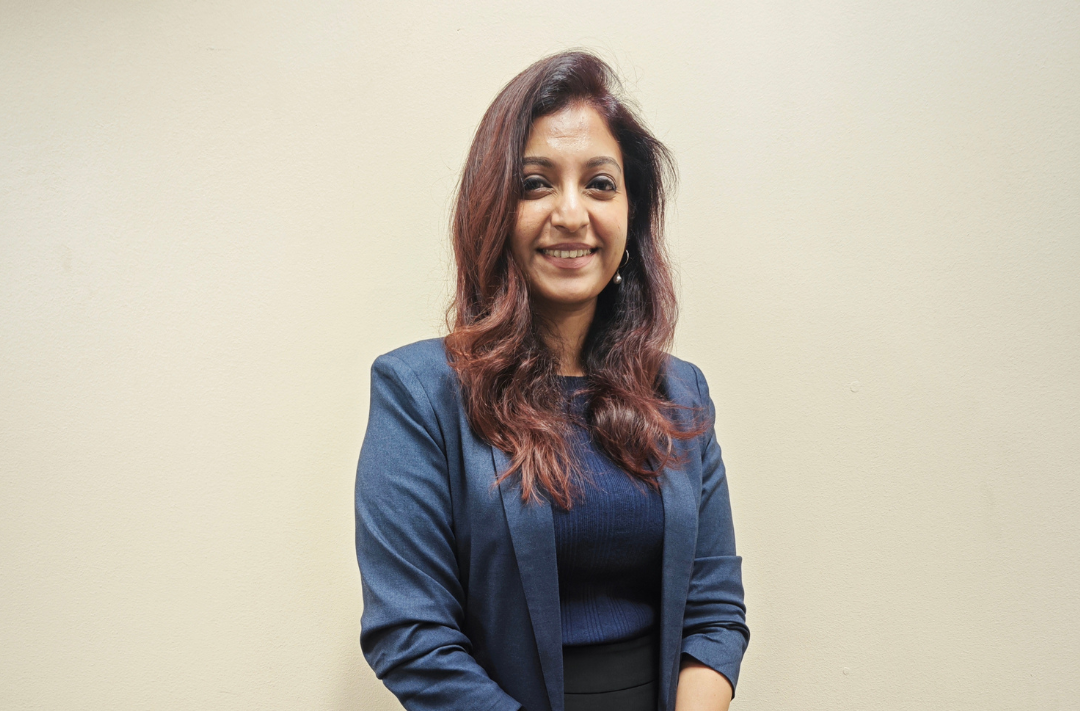
Despite affecting millions, perimenopause remains poorly understood. To break it down, Prince Court Medical Centre Consultant Obstetrician & Gynaecologist Dr Kirshanti Purushothman, explains what every woman should know.
“Menopause is defined as the point when a woman has not had her period for 12 consecutive months.
"Perimenopause, on the other hand, refers to the transitional phase leading up to menopause. During this time, the levels of hormones like oestrogen and progesterone begin to fluctuate, which can cause symptoms such as hot flashes, mood changes, sleep disturbances, and irregular periods,” she said.
There’s no single age when perimenopause begins. “Globally, the World Health Organization places the average age of menopause between 50 and 55, and in Malaysia, it’s typically in the early 50s.
"However, perimenopause can start as early as the late 30s or more commonly in the mid to late 40s. If symptoms appear in the late 30s, it’s important to rule out other underlying causes,” said Dr Kirshanti.
Early signs include shifting menstrual cycles whether it's heavier, shorter, longer, or irregular periods. Night sweats, mood swings, joint pain, brain fog, and waking up exhausted despite sleep are also common.
“Tracking your menstrual cycle during perimenopause is very helpful because it allows you to monitor the changes that often come with fluctuating hormone levels,” she said.
But not all bleeding is normal. “Spotting between periods, bleeding after intercourse, or excessively prolonged or heavy periods may indicate other conditions such as uterine polyps or other gynaecological issues. These symptoms should not be assumed to be part of perimenopause and should always be assessed by a doctor.”
Stress, hormones or both?
For many women, fatigue and mood swings feel like the fallout of modern life. But doctors urge caution. “As gynaecologists, one of our key challenges is distinguishing perimenopausal symptoms from other medical conditions.
"We need to rule out organic diseases like thyroid disorders or diabetes. This involves taking a thorough patient history including medical, social, and family history and screening for mental health conditions such as depression or anxiety,” said Dr Kirshanti.
“There’s no definitive test for perimenopause unless a woman has reached full menopause. That’s why a holistic, patient-centred approach is so important when making a diagnosis.”
Hormonal changes ripple across the body. “A drop in oestrogen can lead to changes in the skin and vaginal tissue, resulting in dryness which may cause discomfort or pain during intercourse, affecting intimacy and libido,” Dr Kirshanti said.
Sleep often takes a hit. “Even if a woman falls asleep easily, she may not experience restful sleep, leading to fatigue and low mood. Combined with the everyday stresses of work or family life, this can take a toll on emotional wellbeing and even weaken the immune system if left unmanaged.”

What helps: Nutrition, exercise and sleep
“As oestrogen levels decline, women become more vulnerable to issues like brittle bones and heart disease. That’s why a balanced diet rich in calcium, vitamin D, and protein is essential. A heart-healthy diet that’s low in fat and cholesterol also supports long-term wellbeing,” she said.
Strength training is crucial. “Women naturally lose muscle mass during perimenopause, and strong muscles not only support metabolism but also protect joints and improve bone density.”
Sleep hygiene matters too. “This includes avoiding strenuous exercise close to bedtime, limiting caffeine intake, and reducing screen time before sleep to promote better rest and overall recovery.”
Coping with mood and stress
“Start with simple, daily strategies: mindfulness practices such as deep breathing, gentle yoga, or relaxation exercises can help regulate stress. If you're spiritual or religious, prayer or quiet reflection can also offer emotional grounding. Staying connected with supportive friends and family members is equally important for emotional wellbeing,” Dr Kirshanti said.
“If symptoms persist, speaking with a psychologist or counsellor can be helpful, and in some cases, your gynaecologist may recommend hormone therapy or other medical interventions.”
Debunking myths
“Myth 1: Perimenopause only starts at 50. In reality, perimenopause can begin much earlier — often in the 40s, and sometimes even in the late 30s.”
“Myth 2: Menopause is natural, so you just have to live with it. While menopause is a natural phase of life, that doesn’t mean women should suffer through it. There are many effective strategies and treatments to ease the transition.”
“Myth 3: Hormone therapy is unsafe and should be avoided. Many women avoid hormone replacement therapy (HRT) due to outdated fears. In reality, HRT today is much safer and highly personalised. Patients are closely monitored through regular screenings like Pap smears, blood tests, and assessments of any risk factors such as a history of cancer or migraines.”
The Malaysian context
Here, women in the “sandwich generation” are juggling careers, children, and ageing parents. “Chronic stress from juggling multiple roles as professionals, caregivers, and mothers can intensify perimenopausal symptoms such as fatigue, mood swings, anxiety, and sleep disturbances,” said Dr Kirshanti.
On traditional remedies, she added: “Many women try traditional remedies like jamu, evening primrose oil, or products they’ve seen on platforms like TikTok or Shopee before seeking medical advice. While some may feel temporary relief, most of these supplements are not scientifically proven to balance hormones.
"One major concern is that traditional or over-the-counter herbal products are not strictly regulated. Some may be mixed with steroids, which can make users feel better in the short term but lead to serious long-term side effects.”
Her advice: always bring supplements to your doctor’s appointment so they can check safety.
Fertility and family planning
“During perimenopause, hormone levels begin to fluctuate and gradually decline, affecting both the number and quality of eggs. This makes it more difficult to conceive naturally, especially as menstrual cycles become irregular, making ovulation harder to predict,” she said.
“While pregnancy is still possible until menopause is complete, it may be more challenging and may require fertility support or medication. For women not planning to get pregnant, contraception is still necessary due to unpredictable ovulation.”
“Managing perimenopause symptoms like brain fog and fatigue at work starts with basic self-care, staying hydrated, regular exercise, and prioritising rest whenever possible,” said Dr Kirshanti.
“Workplace support is important. With more women in leadership roles, there’s growing understanding of these challenges. Flexible work arrangements and open conversations about health can make a big difference. It’s also vital to empower men and all colleagues to be aware and supportive, helping create an inclusive environment.”
Download Sinar Daily application.Click Here!


