The Exhausting Reality of 'Mankeeping' in Malaysian Relationships
In Malaysia, many women aren’t just partners - they’re the CEOs of their relationships, carrying the invisible weight of ‘mankeeping’, an exhausting cycle of emotional and social labour that men must finally share.


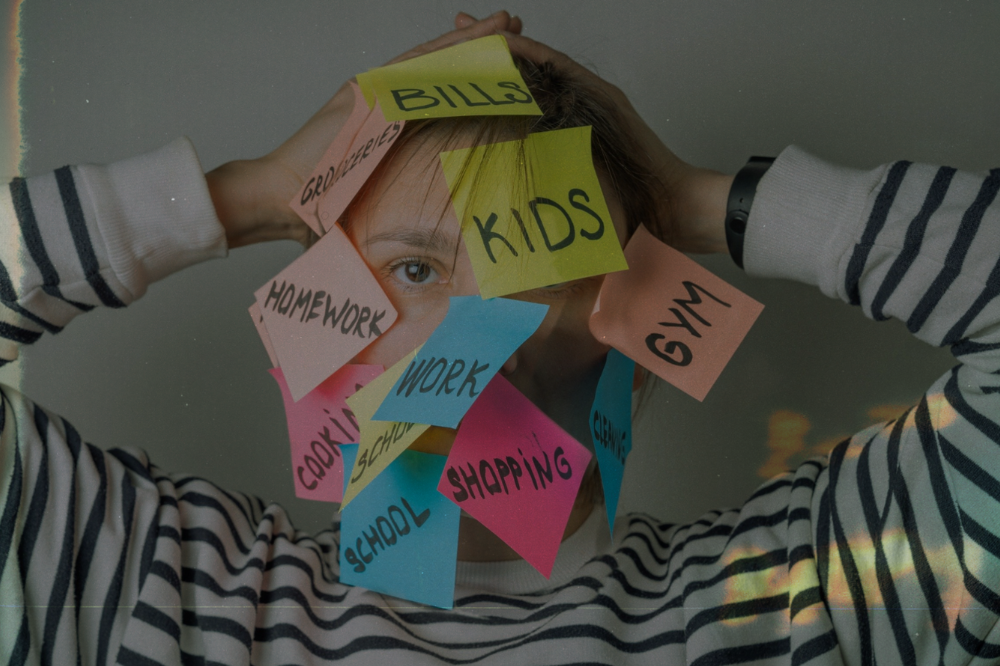
IF you were to peek into the text messages of some Malaysian women in relationships, you might find a familiar checklist.
Reminders for 'pay the phone bill', a calendar alert for 'his mother's birthday' and a meticulously planned itinerary for the upcoming festive visit to his kampung (hometown), complete with a list of which relatives get which duit raya (money) packets.
This scene is a modern Malaysian archetype. She’s the organised one, the de facto CEO of the relationship’s logistics, while her partner, often lovingly described as "selamba" or blissfully unaware, just struggles with the mental load of admin.
For generations, this has been accepted as personal preference: "That's just how he is, I'm the one who likes to manage things". But a growing global conversation is forcing us to ask: How much of this is personal choice and how much is it gendered conditioning now known as 'mankeeping’?
Coined by Angelica Ferrara, a postdoctoral scholar at Stanford University, ‘mankeeping’ describes the specific form of gendered labour where 'women take on to shore up losses in men’s social networks'. In the Malaysian context, this doesn't just mean managing a social calendar; it’s about managing the complex, unspoken rules of our unique social structure.
So, what does mankeeping look like under the Malaysian sun? It’s the emotional and social labour women perform for the men in their lives, often going far beyond simple reminders.
It is the wife who remembers that his mother prefers a specific flavour of cake for her birthday and that his cousin's wedding is next month. She is the family’s social secretary and events coordinator, the one who plans the special food sessions for his colleagues, encourages him to maintain his "beyond useful" friendships, and is solely responsible for planning their holiday trip to keep the kids happy and entertained.
The labour is deeply emotional, too. She becomes his unofficial therapist, listening and coaching him through his problems, anxieties about his career trajectory or issues with self-image, often in a way that isn’t fully reciprocated. She suggests he see a doctor for that persistent cough, books the appointment and then reminds him to go.
She might even gently suggest that the faded baju melayu from five Rayas ago could use an upgrade, effectively becoming his part-time stylist. And if they share the same size, she has now moved from sharing clothes with her sister to the husband.
This role is distinct from ‘kin keeping’, the well-documented phenomenon where women manage the emotional well-being of the entire family, from remembering birthdays of family members to monitoring wedding dates. Mankeeping is the added, often invisible, full-time job of doing this for a fully capable adult man.
Why is this dynamic so prevalent here? The roots are tangled in a mix of traditional gender roles and modern expectations.
The notion of "kebapaan" (fatherhood) has historically been tied to being the provider and protector, while "keibuan" (motherhood) is intrinsically linked to nurturing and caregiving. These roles, while evolving, still cast a long shadow.
A man focusing on domestic details or emotional nuance might still be unfairly labelled as weak by older generations, pushing him to conform to a more stoic, detached masculinity. His emotional and social world, therefore, becomes a vacuum that his female partner is expected to fill.
Furthermore, the concept of "masuk bakul angkat sendiri" (to put something in a basket and carry it yourself) is often ingrained in Malaysian women from a young age. They are socialised to be capable, multi-tasking managers of the household.
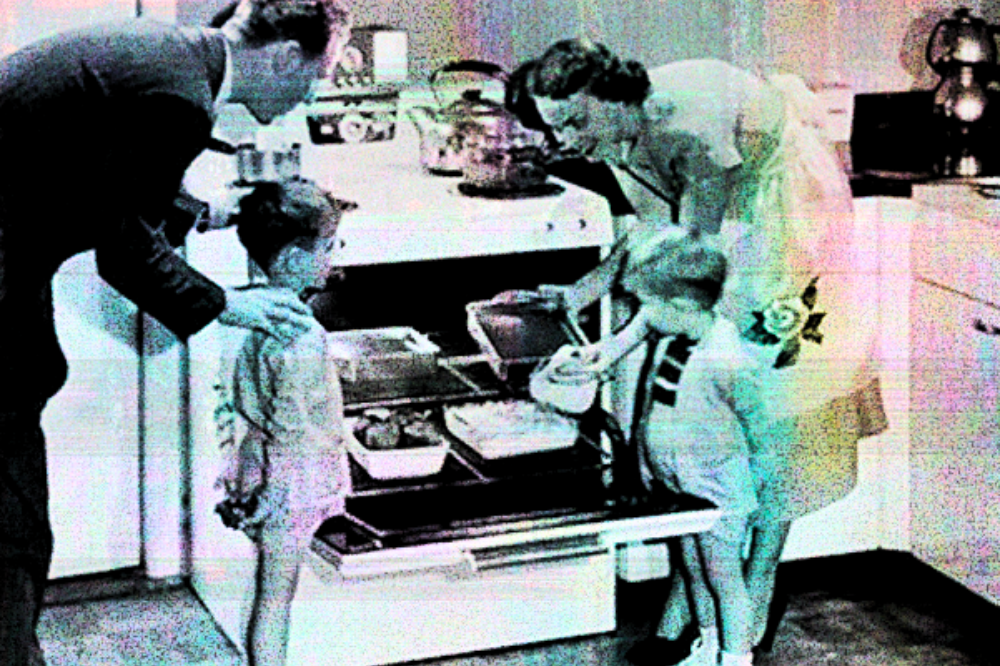
When they enter a relationship, this conditioning dovetails perfectly with a man’s conditioning to relinquish these duties, creating a perfect storm for mankeeping to thrive. The common refrain, "Biasalah, itu kerja perempuan" (It's normal, that's women's work), silences critique and normalises the exhaustion.
Of course, being there for your partner is a foundational pillar of any relationship - completing each other, is the ideal. But being the only person they talk to or rely on for their entire social and emotional existence is not sustainable. It is a lopsided arrangement becaus in reality, it should work both ways. He too should be there and carrying out these functions as a unit.
Unsurprisingly, acting as this one-person support system is utterly draining. It leads to mental fatigue, emotional burnout and simmering resentment. The woman often finds herself over functioning to compensate for his under functioning, leaving her with little energy for her own friendships, hobbies and career ambitions.
The relationship, instead of being a source of mutual support, becomes another demanding project to manage.
Recognising mankeeping is the first step toward dismantling it. The solution isn't for women to simply stop caring; it’s for men to actively start learning and participating. It’s about moving from being a passive recipient of care to an active partner in the relationship’s upkeep.
This means him taking initiative, it’s about him investing in his own emotional literacy, home care and social networks, so he is not fully dependent on her.
For Malaysian couples, it’s about having an honest conversation that challenges traditional norms. True partnership isn’t about appearances; it’s about sharing the invisible workload equally. It’s about building a relationship where both individuals can thrive, not one where the woman is perpetually exhausted from keeping everything... and everyone - afloat.
Like seriously, a healthy relationship should be a partnership of equals, not a never-ending cycle of unpaid, and worse, unrecognised, emotional labour.
Download Sinar Daily application.Click Here!