Counsellor speaks out on the quiet rise of wives discovering husbands’ sexual struggles
In a recent Instagram post, a counsellor shared a case that struck a chord with many — a woman who discovered that her husband was attracted to men.



BEING a counsellor is never easy. It requires a delicate balance of offering solutions that are both practical and empathetic to people’s deepest struggles.
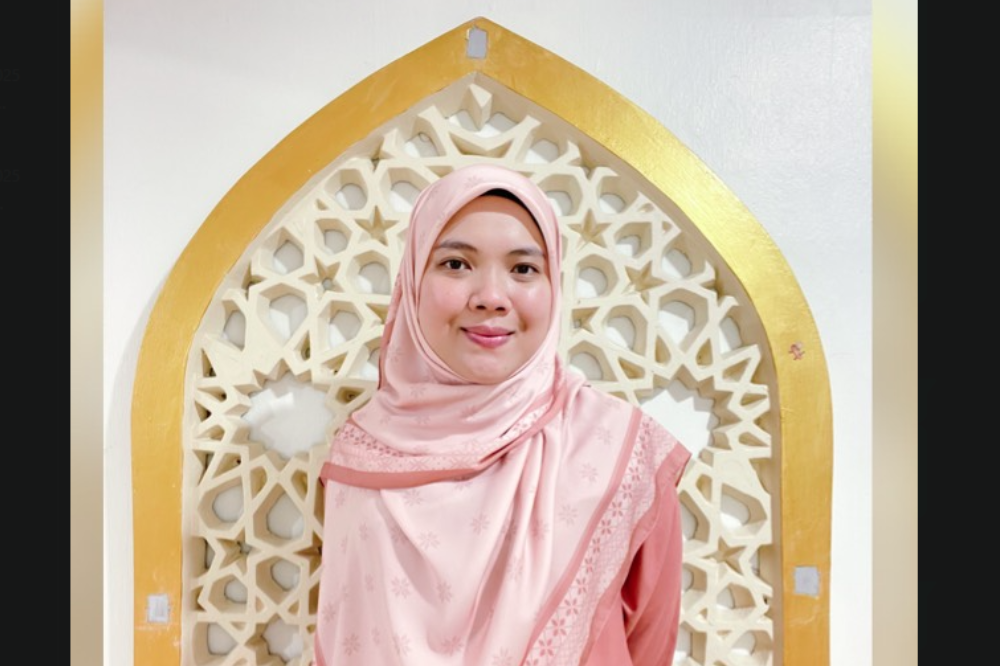
One such counsellor is Sarah Zainal, founder of Syoknya Kaunseling, a psychology and counselling centre in Malaysia. Known for her advice and recommendations that help people navigate difficult situations, Sarah is also a marriage counsellor with an active following on social media.
In a recent Instagram post, she shared a case that struck a chord with many — a woman who discovered that her husband was attracted to men.
Sarah revealed that this was far from an isolated incident, noting that she has received similar messages from married women on more than one occasion.
“Based on my professional experience, such cases are increasingly being brought to light.
“In my weekly Q&A sessions on Instagram, where I receive hundreds of questions and personal stories, it is not uncommon to find two or three cases specifically related to this issue,” she said when contacted recently.
According to Sarah, the growing number of confessions reflects a shift in openness, with more women seeking marriage counselling instead of suffering in silence.
She reminded wives not to blame themselves, stressing that a husband’s sexual orientation is not their fault. In her Instagram stories, Sarah urged women to be kind to themselves, practise self-love, and accept that feelings of sadness and frustration are natural.
“Accept this trial; God willing, this arrangement by Allah is the best and He is preparing you for the best,” she wrote in one of her posts.
Her practical advice was to approach the matter calmly, talk with the husband to establish whether he intended to change or remain as he was, and then decide — based on what would cause the least harm and the most benefit — whether to save the marriage or to separate.
Why women often blame themselves
When asked why women commonly blamed themselves in such situations, Sarah explained that self-blame was often a predictable first reaction.
“Self-blame is an extremely common initial reaction, particularly among women. When a husband shows disinterest in physical intimacy, many wives immediately question themselves: Am I not attractive enough? Did I do something wrong? Am I failing as a wife?
“These thoughts reflect the internalisation of societal narratives that place the burden of marital success on women,” she said.
Sarah outlined her counselling approach: first, validating the client’s emotions — shock, disappointment, anger, self-blame and existential doubt are all common — before reframing the situation through a faith-based counselling lens.
She added that she guided clients through possible paths, whether confrontation, giving the marriage another chance, or divorce, helping them create a structured plan aligned with their chosen direction.
From an Islamic perspective, she said, trials could carry meaning and purpose, and the belief that Allah does not abandon those in hardship often helps many move from despair toward acceptance and resilience.
Letting go of unrealistic expectations
However, she stressed that a spouse’s sexual orientation is not determined by the wife’s actions, appearance, or behaviour.
“It is often a reality that existed long before marriage. Some wives also feel guilty for not being able to ‘change’ their husbands, but this is an unrealistic expectation.
“Even trained professionals cannot enforce change in someone who does not genuinely desire it. Recognising these limitations helps wives release the heavy weight of self-blame,” she said.
Sarah recommended a two-stage process for women facing such discoveries.
The first step, she explained, is to regain emotional stability. Acting from anger or despair can cloud judgment, so it is important to pause, process, and approach the matter rationally.
The second step is careful decision-making. Individuals must reflect on what they truly want moving forward — whether to preserve the marriage or to pursue separation — as each path carries its own challenges and consequences.
Sarah emphasised that taking time to think clearly would ensure decisions were rooted in self-respect and long-term wellbeing rather than immediate emotion.
“If the decision is to remain in the marriage, the person must clarify the reasons for staying, the boundaries they are willing to uphold, and the conditions under which the marriage is sustainable.
“Conversely, if divorce is considered, the reasoning must also be clear, whether it is due to the partner’s unwillingness to commit to change, or other irreconcilable factors,” she said.
She stressed that every decision carries challenges, and individuals must decide which struggles are worth enduring. She advised weighing each option by its benefits (maslahah) and harms (mafsadah), reflecting deeply, seeking counselling, and performing prayers such as istikharah for divine guidance.
Once a choice is made — whether to stay in the marriage or separate — it should be embraced with faith, knowing that God’s wisdom is greater and that the ultimate aim is peace, dignity, and the least harm.
Social pressures and hidden struggles
Sarah also flagged wider social pressures that contribute to such situations.
In Malaysia, where religious values remain strong and same-sex relationships are not widely accepted, some individuals marry to conceal their orientation, often out of fear of stigma or family expectations.
“While such marriages may temporarily satisfy social norms, they ultimately inflict harm on the unsuspecting spouse, who becomes a collateral victim of secrecy and denial,” she added.
She noted that while growing openness about sexuality makes these situations more visible, the root problem remains the pressure to conform.
Sarah stressed that marriage counselling in Malaysia can help victims make thoughtful, faith-aligned choices that protect their dignity and wellbeing.
Download Sinar Daily application.Click Here!