BNPL trap? Why ‘easy monthly payments’ can wreck your finances
If you can’t pay for it in full without touching savings or going into debt, it’s a want, not a need.
NUR ADNIN MAHALIM
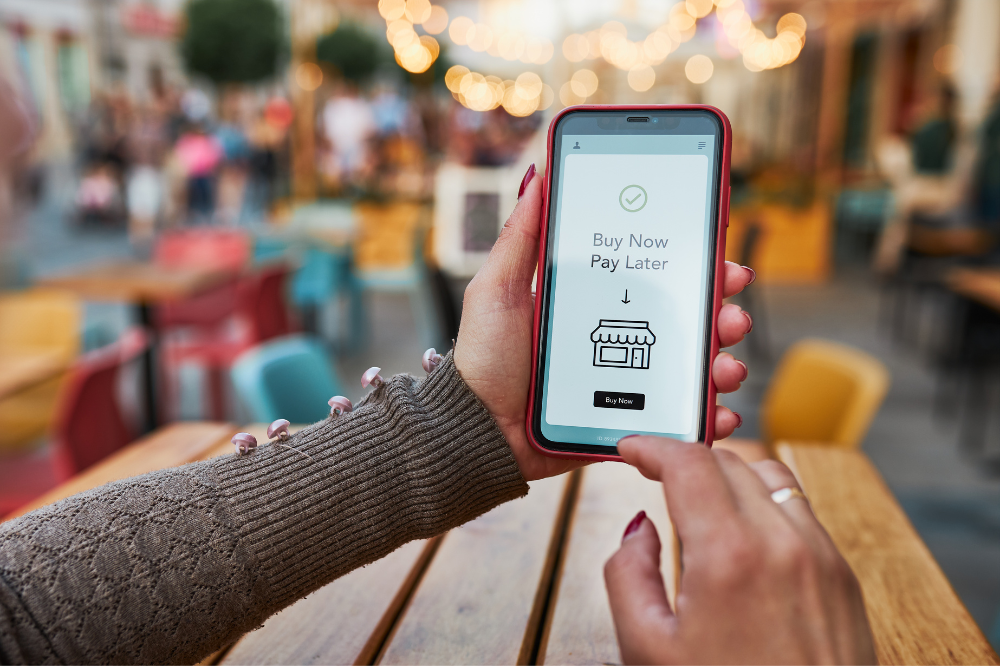
SHAH ALAM - Buy Now, Pay Later (BNPL) may seem harmless by breaking big purchases into small monthly instalments, but financial planners warn it is quietly teaching young Malaysians to spend future income while eroding their ability to save.
Licensed financial planner Rafiq Hidayat Mohd Ramli said BNPL’s appeal lies in making expensive items such as smartphones and gadgets appear affordable, even when they’re not.
“BNPL makes expensive purchases feel affordable by splitting them into small payments. But it normalises living on future income rather than current savings.
“Over time, this creates a habit of overcommitting financially because the true cost feels distant,” he said.
He cautioned that multiple BNPL commitments reduce financial resilience and increase debt risk, especially for young people with limited income.

Rafiq noted a short-term restriction on BNPL could curb big-ticket spending.
“Many would delay purchases or switch to cheaper alternatives,” he said, adding that long term, such restrictions could encourage better habits such as saving before buying and reducing impulse-driven consumption.
But he warned it might also push some towards personal loans or credit cards, highlighting the need for financial education.
The conversation around affordability resurfaced recently when crowds, including many youths, queued for the launch of the iPhone 17 despite complaints of rising living costs.
“If the phone supports income like for freelance photography, content creation or business use and doesn’t disrupt savings or cause debt stress, it can be justified.
“But if it’s driven by status or social pressure and financed through instalments while ignoring emergency funds or insurance, that’s lifestyle inflation,” Rafiq said.
His simple rule: “If you can’t pay for it in full without touching savings or going into debt, it’s a want, not a need.”
Licensed financial planner Adli Ishak agreed, saying BNPL fosters instant gratification and normalises debt as part of everyday life.
“It creates a dangerous mindset: ‘As long as I can pay monthly, I can afford it.’ In reality, it delays wealth-building, reduces emergency savings and creates dependency on credit,” he said.
Rising BNPL risk
Data from the Consumer Credit Oversight Board (CCOB) shows BNPL debt hit RM3.8 billion in June, about 0.2 per cent of total household debt. Of 6.5 million accounts, 168,967 (2.6 per cent) were overdue, with arrears totalling RM121.8 million. Transactions soared to RM9.3 billion in the first half of 2025 alone.
Adli said restricting BNPL could slow impulsive buying and teach delayed gratification, though initial frustration is likely as consumers adjust.
He also advised that purchases only make sense as investments if they boost productivity or income.
“If the phone helps you earn more than it costs, that’s a justifiable investment. But if it’s driven by peer pressure and drains emergency savings or investments, it’s a burden,” he said.
New law to rein in BNPL
To curb these risks, Parliament passed the Consumer Credit Bill 2025 in August, paving the way for the Consumer Credit Act (CCA) to take effect soon — the first law to bring BNPL players under formal oversight.
Previously, BNPL firms operated in a grey zone, neither banks nor fully e-wallets and escaped many safeguards imposed on licensed financial institutions. Usage more than doubled between 2022 and 2024, exposing gaps in consumer protection.
The new Act introduces clear rules and creates the Consumer Credit Oversight Board (CCOB) to regulate the industry.
Key changes under the Consumer Credit Act:
- Licensing required - BNPL providers must register and follow strict conduct standards.
- Transparent terms - Contracts must use clear, plain language with no hidden clauses.
- Stronger consumer rights - Misleading ads and unfair late fees can trigger legal penalties.
- Data protection - BNPL platforms must safeguard personal data.
The CCA will be rolled out in phases, giving the industry time to adapt while offering long-awaited protection for consumers.
Download Sinar Daily application.Click Here!


