Budget 2026 must balance Budi95 with EV push, public transport - Experts
Cheap fuel is essential for people who rely on cars daily, but EV incentives also show our commitment to climate goals.


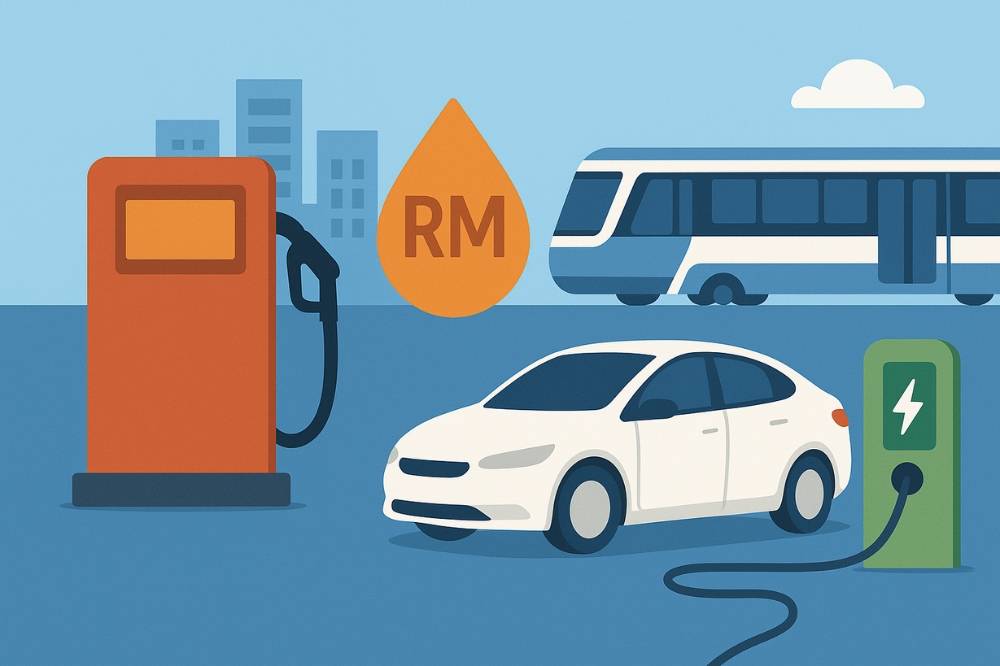
SHAH ALAM - As Malaysia prepares for the tabling of Budget 2026, automotive and transport experts have stressed the need to strike a careful balance between immediate relief through affordable fuel and long-term investments in electric vehicles (EVs) and public transport.
Universiti Sains Malaysia (USM) School of Civil Engineering Associate Professor Dr Nur Sabahiah Abdul Sukor said the recently introduced Budi95 programme provided a good starting point.
“With Budi95, I see it as giving Malaysians immediate relief without being an open-ended subsidy since it is capped at 300 litres and only for citizens. The positive side is that savings from stopping subsidy leakage can be reinvested into EV charging stations and incentives.
“While cheaper petrol may slow EV adoption in the short term, with smart reinvestment, we can still move ahead with EVs and climate goals in the near future,” she said in an interview with Sinar Daily.
Sabahiah emphasised that incentives should be both targeted and limited in duration. She believes measures such as tax relief or reduced insurance for car buyers are practical options for Budget 2026, provided they are carefully focused.
As an example, she suggested temporary support for first-time EV buyers or initiatives that make safer, greener cars more accessible to young Malaysians.
She said these incentives must remain time-bound to provide meaningful assistance without creating a lasting burden on government revenue.
“In the end, I think Budget 2026 has to balance both immediate relief through affordable fuel and long-term transformation through EV and public transport investments. Cheap fuel is essential for people who rely on cars daily, but EV incentives also show our commitment to climate goals.
“What is still missing is a stronger focus on active mobility like walking and cycling, which are crucial for first- and last-mile connectivity.
“I hope Budget 2026 also allocates funds to upgrade pedestrian pathways and cycling lanes that link to transport hubs, because that is what will truly strengthen the whole system,” she added.
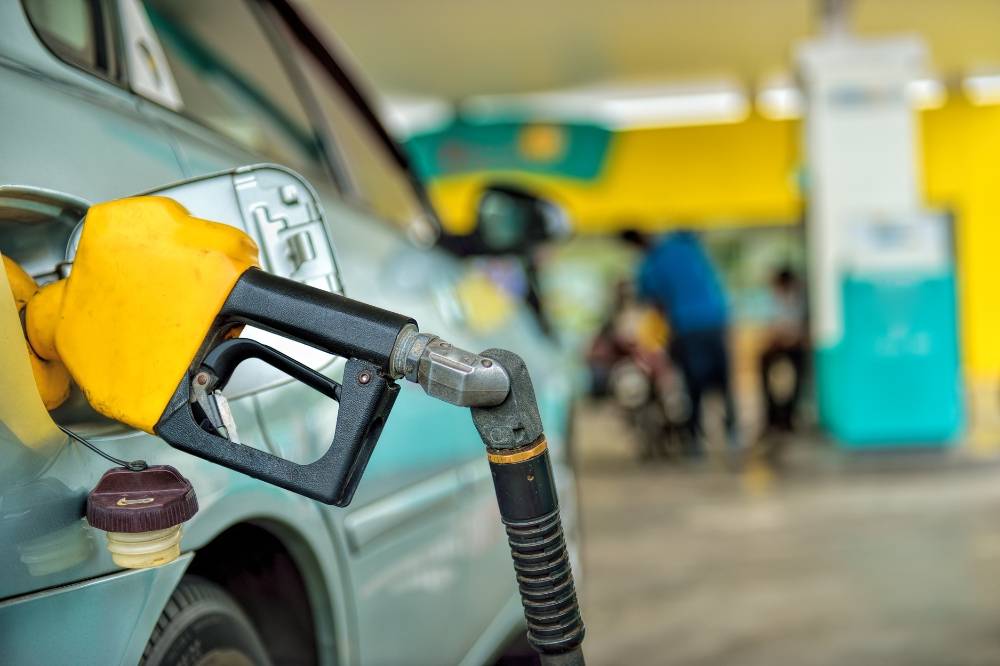
Universiti Putra Malaysia (UPM) Engineering Faculty Road Safety Research Centre head Law Teik Hua, however, cautioned that cheap fuel could weaken the shift towards greener transport.
He argued that the introduction of Budi95, while reducing the cost of petrol, risks slowing Malaysia’s progress in EV adoption and green objectives.
“By making petrol vehicles more attractive, it undermines the economic rationale for switching to EVs and may entrench dependence on fossil fuels. However, this does not mean the government must abandon its green policies.
“A smarter approach would be to decouple EV adoption from fuel prices by enhancing non-fuel incentives such as exemptions from road taxes, preferred parking spots and wider charging infrastructure.
“At the same time, savings from fuel subsidies could be redirected to provide EV discounts and improve public transport. The success of this shift depends on Budget 2026 aligning EVs and public transport as the more attractive mobility options despite cheaper petrol,” he told Sinar Daily.
He also voiced concern over proposals aimed at making cars more affordable for young Malaysians.
He explained that while Budget 2026 might consider measures such as lowering excise duties or offering relief for young and first-time buyers—steps that could ease car ownership—they also risk worsening congestion and emissions, ultimately working against the country’s ongoing investments in public transport.
“A more effective approach would be to tie such relief to energy-efficient or EVs, while simultaneously investing in young people’s transport choices.
“Upgrading intercity rail and bus services, as well as offering integrated transport products, would make car-free living a realistic and compelling option for the next generation,” he added.
The Finance Ministry (MOF) announced that Budget 2026 would be tabled in Parliament on Oct 10. It will be the fourth in a series of Madani budgets and the first under the 13th Malaysia Plan (2026–2030).
According to the ministry, the budget would balance short-term challenges with long-term reforms, focusing on fiscal resilience, economic growth and raising the standard of living.
MOF stressed that Budget 2026 would adopt a bottom-up, people-centred approach, incorporating input from communities, businesses and stakeholders to ensure policies reflected real conditions on the ground.
Download Sinar Daily application.Click Here!


