Economists warn against fuel subsidy dependence, urge stronger focus on public transport in Budget 2026
Budget 2026 must ensure that subsidies like Budi95 do not overshadow vital investment in public transport infrastructure.


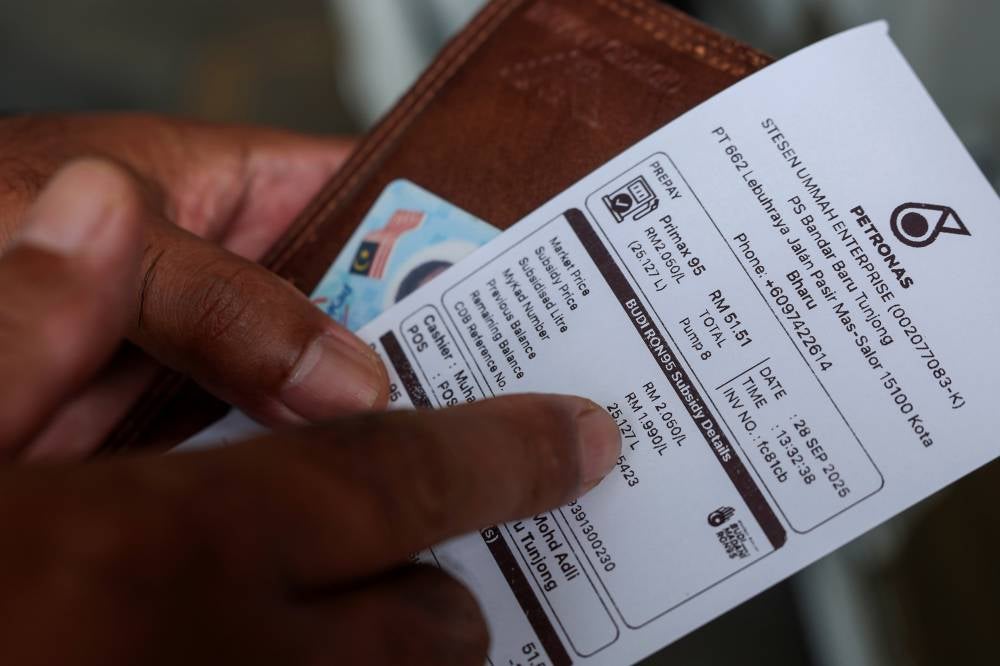
SHAH ALAM - With Budget 2026 just around the corner, economists have cautioned that subsidies such as Budi95 must not overshadow critical investment in public transport infrastructure and long-term sustainability measures.
Bank Muamalat Malaysia Bhd's chief economist Dr Mohd Afzanizam Abdul Rashid said that subsidy rationalisation should be part of a wider reform agenda.
“Budget 2026 must ensure that subsidies like Budi95 do not overshadow vital investment in public transport infrastructure.
“Subsidy rationalisation is not only about fiscal discipline but also about correcting imbalances in which wealthier households benefit disproportionately from blanket fuel subsidies due to their higher consumption.
“Redirecting resources towards public transport, especially last-mile connectivity, would better serve lower- and middle-income groups while reducing inequality in access,” he said in an interview with Sinar Daily.
He added that Malaysia must look beyond short-term relief and set the foundation for sustainable reforms.
Looking ahead, Afzanizam said the ideal policy mix would involve gradually allowing markets to determine fuel prices, with the government focusing on creating transparent, fair and efficient systems.
“This would include building capacity through investments in education, healthcare, infrastructure and security, while ensuring robust regulation to prevent market distortions such as cartels or price manipulation.
“Though such reforms will take time and require strong public support, they form the foundation of a sustainable and equitable approach to reducing household transport costs while advancing Malaysia’s long-term goals,” Afzanizam said.
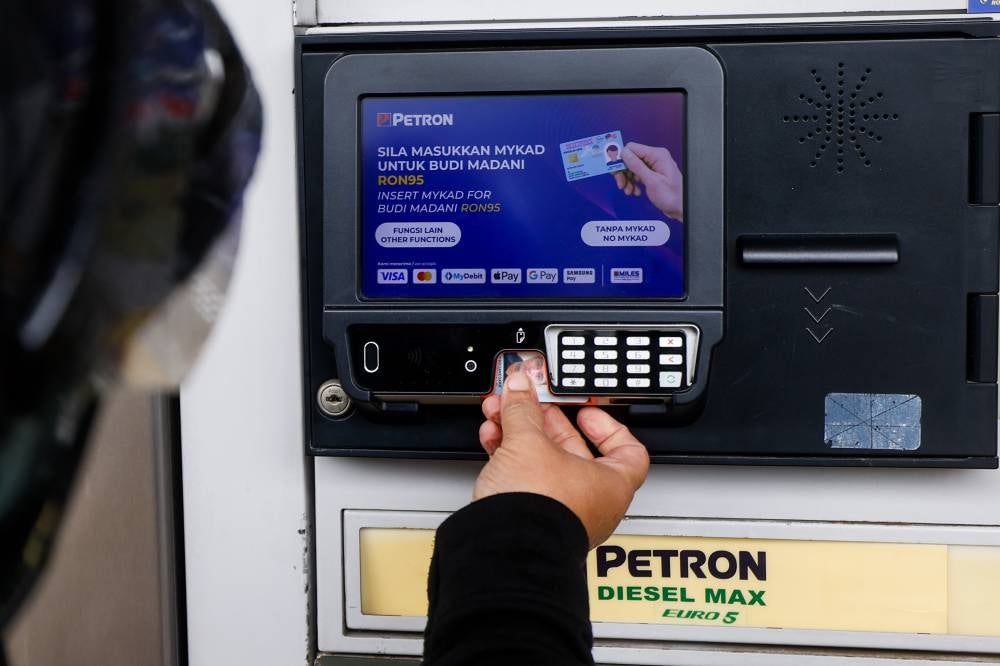
Universiti Putra Malaysia economist Associate Professor Dr Ahmed Razman Abdul Latiff echoed similar concerns, stressing the importance of giving stronger priority to public transport.
He argued that subsidies such as Budi95 should not come at the expense of investments in improving the country’s transport infrastructure.
“Budget 2026 should put greater focus on making public transport cheaper, more accessible and better connected. Targeted commuter subsidies like student discounts or affordable monthly passes would go much further in reducing inequality and encouraging more Malaysians to rely on public transport instead of private vehicles.
“In my view, the best long-term solution is a balanced policy mix. We need short-term measures like fuel subsidies to ease household transport costs, but we also need to push long-term goals through electric vehicles (EV) incentives and stronger investment in public transport.
“Only by combining these approaches can Malaysia both ease the burden on households and move towards sustainability,” he told Sinar Daily.
The Finance Ministry (MOF) announced that Budget 2026 would be tabled in Parliament on Oct 10. It will be the fourth in a series of Madani budgets and the first under the 13th Malaysia Plan (2026–2030).
According to MOF, the budget is designed to balance short-term challenges with long-term reforms, emphasising targeted and outcome-driven assistance to improve the quality of life.
It reaffirms the three pillars of the Madani Economy: raising the ceiling of national growth, raising the floor of living standards and driving reform with a focus on good governance.
The ministry highlighted that Budget 2026 would adopt a bottom-up, people-centred approach by incorporating feedback from communities, businesses and stakeholders to ensure policies reflect real conditions on the ground.
Download Sinar Daily application.Click Here!


