Infrastructure - not ideals could be the core issues deciding Sabah's next government in the upcoming polls, says analyst
"Resource curse" dynamics are forcing Sabah voters into a crucial state election to fight for governmental accountability.

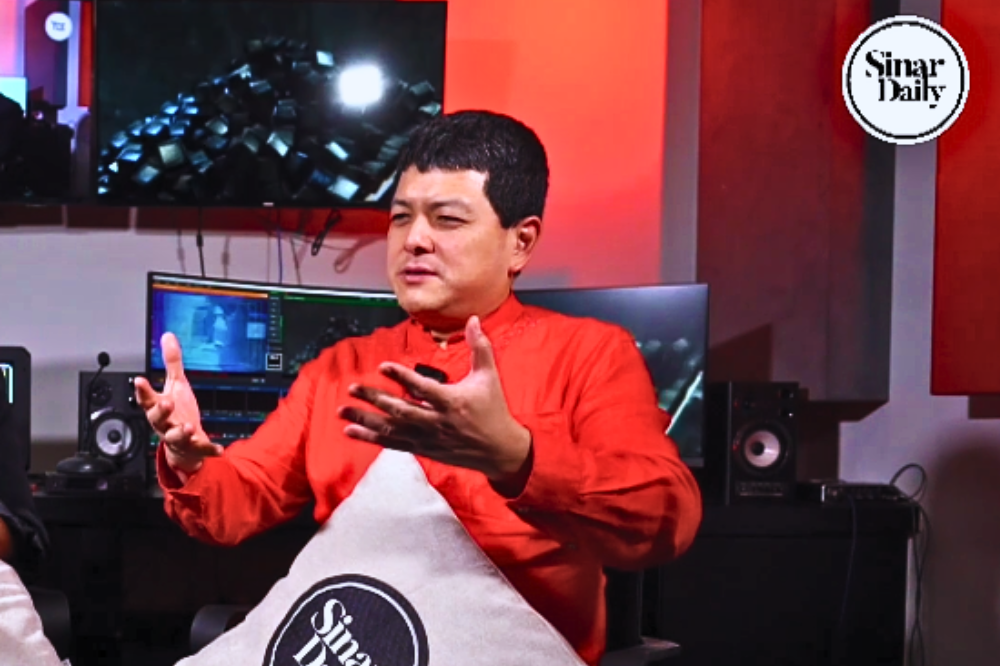
SHAH ALAM - As Sabah heads toward its 17th state election, political analyst Dr Oh Ei Sun says the upcoming polls will reveal whether public calls for accountability can outweigh decades-old struggles with inequality, infrastructure gaps and shifting political loyalties.
Speaking to Sinar Daily’s Top News Podcast, Oh - a Sabahan himself - said that while the state government’s Sabah Maju Jaya slogan projects ambition and progress, many areas remain trapped in the same development hurdles.
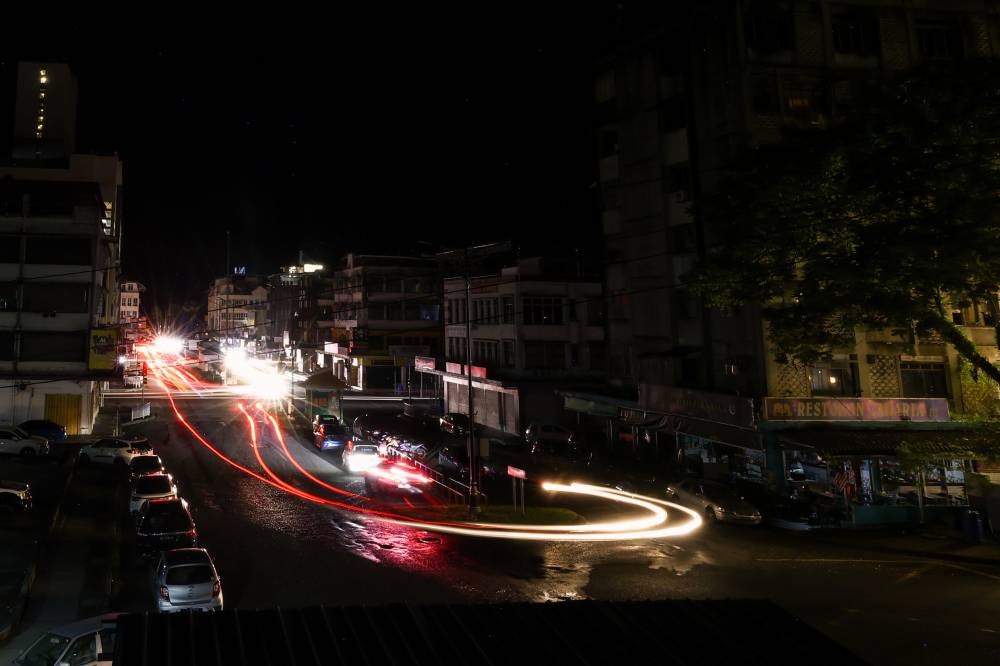
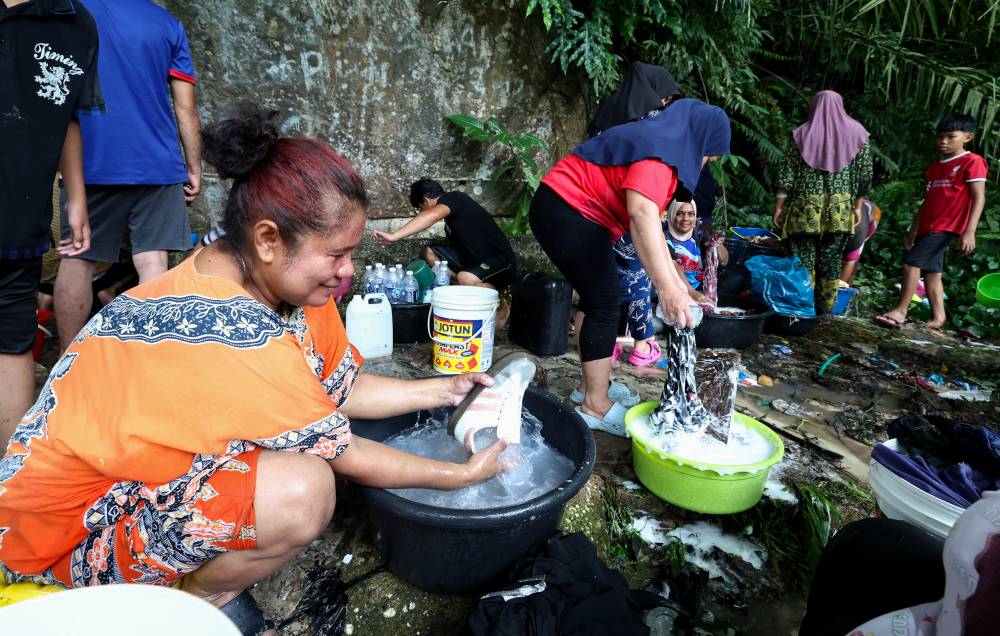
“The state still struggles a lot with infrastructural difficulties such as stable electricity, clean water supply, well-paved roads. All these are still very hard to come by.
“You need money to deliver those promises - to build more roads, dams, or power generation facilities, and there’s always that tension between the state and federal levels over revenues. That will go on regardless of who forms the next government,” he said, adding that as election season approaches, parties will predictably flood the public sphere with grand promises, many of which may not be financially sustainable.
Commenting on the corruption allegations involving state assemblymen a few months back, Oh described Sabah as suffering from what he called a “resource curse.”
“Sabah is so blessed with natural resources from minerals to timber, and that makes it very tempting for those in power to dip their hands in the cookie jar,” he said. “Sometimes you get caught, and in this case, on video.”
He said the pattern of resource exploitation without equitable distribution has long undermined the state’s development and public trust in leadership.
Still, Oh noted that there has been a visible rise in political awareness among Sabahans, particularly in cities and towns.
“At least in the more urban areas, people are voicing their displeasure and calling for more accountable governments and elected representatives,” he said.
However, he also pointed out that Sabah’s vast geography and rural realities mean that money politics and short-term incentives still hold sway in certain constituencies.
“In the more rural areas, people still struggle with daily livelihoods. Any politician who can dangle even small rewards or goodies can easily gain support, because life there is hard and we must empathise with that,” he said.
Oh’s comments came just as the Sabah State Legislative Assembly was officially dissolved today to make way for the state’s 17th election.
Chief Minister Datuk Seri Hajiji Noor confirmed the dissolution after attending a lunch meeting with state leaders and backbenchers at Menara Kinabalu, the state’s administrative centre. He said the move was consented to by Sabah Governor Tun Musa Aman during their meeting this morning.
The dissolution sets the stage for what observers anticipate will be one of the most unpredictable elections in recent Sabah history - a contest shaped by shifting alliances, internal party fractures and lingering questions over governance and delivery.
The election will also be a test of political endurance for Hajiji, who chairs both Gabungan Rakyat Sabah and Gagasan Rakyat, and whether his government’s Sabah Maju Jaya vision can translate into tangible change on the ground.
Oh believes the outcome will depend on how well parties can convince Sabahans that their pledges go beyond rhetoric.
“The people, especially in the urban centres, are starting to want more transparency. But in rural Sabah, survival still dictates politics,” he said.
He added that any incoming government will need to balance development priorities with credible fiscal management and integrity.
“You can’t just promise, you need the means and the discipline to deliver. That’s what the people will be looking at, even if at different levels of awareness,” he added.
With the campaign machinery now gearing up, bread-and-butter issues such as infrastructure, cost of living and corruption cases has been expected to dominate the political narrative.
For many Sabahans, he said the coming polls represent more than just a contest of slogans, it will be a referendum on trust, delivery and hope.
“Politics in Sabah is about ideals and realities. You want progress, you want accountability but you also need to survive. That balance will decide the outcome of this election,” he said.
Download Sinar Daily application.Click Here!


