Are fuel subsidies stalling Malaysia's ambition for mass EV adoption?
Inside the economic divide facing Malaysia’s electric vehicle owners.


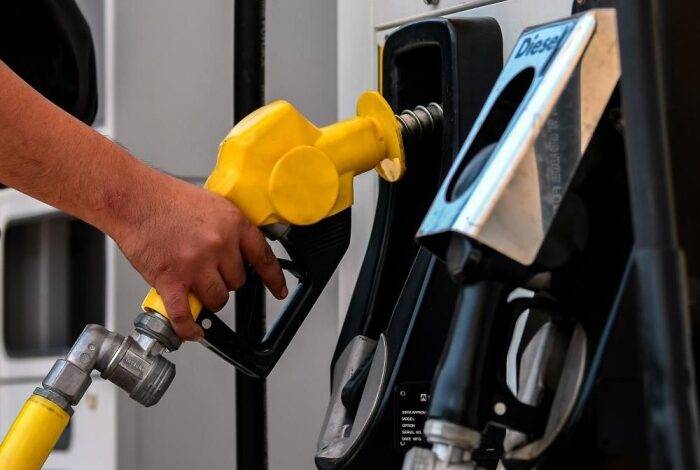
SHAH ALAM – While Malaysia’s petrol car owners continue to enjoy the benefits of the Budi95 subsidy, electric vehicle (EV) users are beginning to question the fairness of policies that seem to favour fossil fuel drivers, especially as electricity tariffs climb and public charging costs soar.
For Praveender Arumugam, a 37-year-old inventory manager from Sandisk, the early promise of EV ownership has slowly dimmed as rising electricity rates and costly public chargers eat into the expected savings.
“When I first bought my EV, I did see some initiatives from the government to support the shift, but I have to admit that progress has been quite slow, especially when it comes to infrastructure.
"Charging points are still very limited and the cost of using public chargers can be unreasonably high...some are five to six times the Tenaga Nasional Bhd (TNB) tariff rate,” he said in an interview with Sinar Daily.
Praveender added that while he understands that direct current (DC) fast chargers are more expensive to operate, the current rates feel excessive and unfair to EV users.
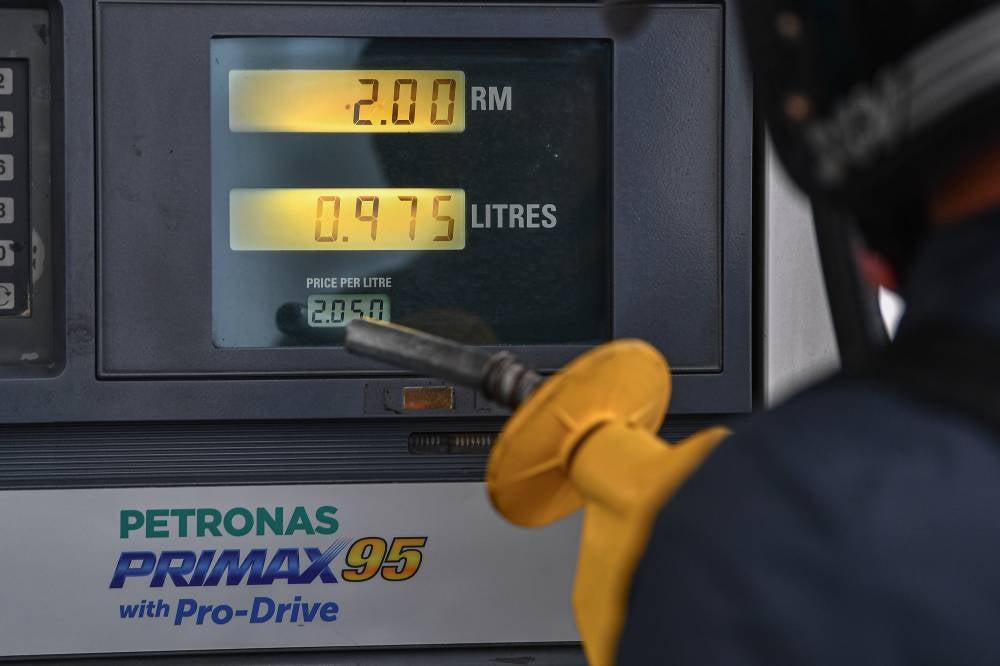
He pointed out that with RON95 petrol capped at RM1.99 per litre and electricity tariffs continuing to rise, the cost advantage of owning an EV is shrinking.
“The original idea was to make EVs an attractive, cost-saving alternative, but higher tariffs, especially for those in higher usage brackets, are slowly eroding that benefit.
"Right now, EVs only remain cheaper to operate if you are charging at home. Malaysia’s decision to maintain broad fuel subsidies does undermine the push for EV adoption.
"It makes me feel that the government is not fully ready for mass EV use yet. It might be a political move to keep fuel prices low, but it sends mixed signals to the public and sometimes makes me question if switching to an EV was the right decision after all,” he added.
Regarding the proposed EV-related taxes, Praveender believes it is unjust to assume that all EV owners are wealthy.
He feels that generalising EV owners as affluent and introducing additional taxes based on that assumption would only hinder Malaysia’s progress towards cleaner transportation.
However, he would be open to reasonable tax adjustments within the EV sector if they were based on logical criteria such as vehicle kilowatt output or battery capacity, rather than perceived affluence.
Looking ahead, Praveender calls on policymakers to clearly define the true objective behind Malaysia’s shift to electric mobility.
“The government needs to be very clear about the objective behind transitioning to EVs. It should be about improving the environment, not creating competition with petrol cars.
"Policies like proper battery recycling and disposal systems should be introduced to ensure long-term sustainability. As for lower-income groups, they should continue to receive fuel subsidies since not everyone can afford an EV yet, even if they support environmental goals,” he said.
Praveender cautioned that the rising electricity tariffs, potential EV taxes, and ongoing fuel subsidies could discourage Malaysians from transitioning to electric vehicles.
He added that these factors might even make existing EV owners, including himself, question their decision.
He urged policymakers to prioritise environmental sustainability by making EV adoption more accessible through expanding charging infrastructure, ensuring fuel subsidies are fairly targeted to those in genuine need, and lowering electricity tariffs linked to EV usage.
“If all these are implemented properly, I truly believe we will see a much stronger national shift toward electric mobility,” he said.
Meanwhile, Amelia Wong, a 36-year-old marketing manager, said her experience has been more positive, largely thanks to solar energy at home.
“When I first bought my EV at the beginning of 2024, I was still able to enjoy the road tax exemption, along with a few other perks that came with the brand I chose.
"So, in that sense, my expectations of government support at the time were met and it felt like a good moment to make the switch to an EV,” she said.
For Amelia, the Budi95 petrol subsidy has little impact on her daily life.
She said the current petrol price cap of RM1.99 per litre (Budi95) does not affect her much as her home is powered by solar panels, which greatly lower her electricity bills.
She added that although her house operates on a three-phase electrical system, the rise in electricity costs has been minimal, so the financial benefits of owning an EV remain intact.
Amelia also disagreed with the view that keeping broad fuel subsidies would slow down EV adoption.
“I do not think Malaysia’s decision to maintain broad fuel subsidies undermines EV adoption, nor does it affect my confidence as an EV owner.
"To make EV ownership more sustainable and attractive, I think the government should focus on perks like subsidising electricity costs at EV charging stations and making them more widely available.
"Having more designated EV parking spots would also make a big difference in convenience and accessibility for drivers like me,” she added.
Even as talks persist about electricity tariff increases and possible EV taxes, Amelia believes Malaysia should remain committed to its clean energy transition.
She said that despite challenges like higher tariffs or new taxes on EVs, the country must continue encouraging the shift towards electric mobility.
“I would encourage policymakers to invest more in educational campaigns about reducing carbon footprints and consider introducing maintenance subsidies.
"At the moment, one of the main drawbacks of owning an EV is the high cost of certain spare parts, like tires, which vary depending on the car’s mileage and design. Addressing that would go a long way in keeping EV ownership practical for more Malaysians,” she said.
Download Sinar Daily application.Click Here!


