Can CCTVs make schools safer? Experts say no, the problem runs deeper
While surveillance can deter misconduct, it won’t fix underlying issues of behaviour, trust and values in schools.
NURSYAHMINA ZAINAL
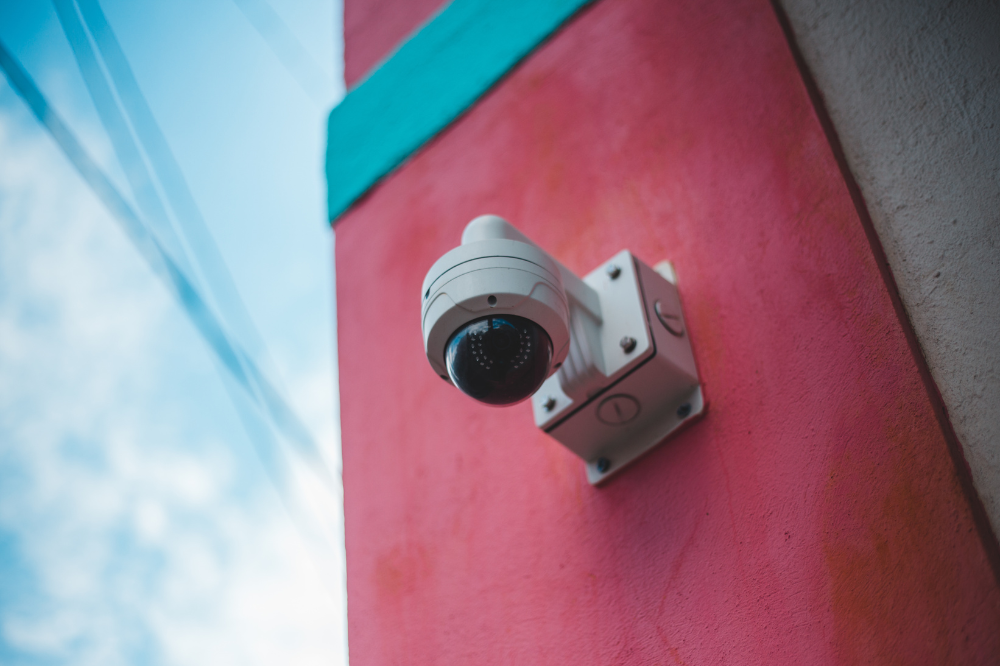
SHAH ALAM – Education experts caution that installing CCTV cameras in schools will not end bullying or violence, warning that many incidents occur in ways no camera can capture.
They said that schools must instead rebuild trust, guidance and core values to create environments that are not only safe but also nurturing for students.
The remarks come amid growing debate over school safety following the Education Ministry’s total of RM3 million initiative to install CCTV cameras in 200 boarding schools nationwide.
Today, the ministry announced that it would pump in an additional RM5 million to install CCTVs at selected schools nationwide as an immediate measure to enhance safety and reduce the risk of untoward incidents at educational institutions.
However, concerns persist over whether surveillance can truly make schools safer, with many educators describing it as, at best, a symbolic deterrent that fails to address the root causes of misconduct.
‘CCTV is only symbolic’
Educationist and former Universiti Malaya professor Tan Sri Dr T. Marimuthu said bullying often happens in ways cameras cannot effectively record.
“Bullying can happen anywhere, in classrooms, corridors or outside school. If someone bullies verbally, can a camera capture that reliably?” he asked.
He said bullying takes many forms, from visible physical aggression to subtle acts of teasing, name-calling and exclusion that are difficult to detect, let alone use as evidence.
“At best, it may serve as a symbolic. Some students may see the camera and say, ‘Hey there is a CCTV’ and simply move elsewhere to do what they want,” he said.
Marimuthu said the persistence of bullying reflects deeper systemic issues within the education framework.
“Cameras can be vandalised or switched off. They don’t change behaviour,” he said.
He urged the authorities to bring together education experts, parents and key stakeholders to conduct a comprehensive review of student discipline and welfare.
“We need to examine the issue carefully, gather experts and give them adequate time, maybe a week or a month to study and propose serious reforms,” he said.
‘Safety can’t come at the cost of trust’
Meanwhile, University of Cyberjaya adjunct professor Datuk Satinah Syed Saleh said while CCTV installations may provide a sense of security, they risk altering the school climate and undermining trust between teachers and students.
“Students and staff may initially feel safer knowing the school is monitored but constant surveillance can also erode trust.
“Instead of openness and creativity, students might conform out of fear and that undermines the essence of education.”
Satinah, who is also a strategic education advisor and education consultant, also raised privacy concerns, noting that classroom cameras could interfere with both student learning and teacher autonomy.
“Areas like staff rooms, toilets, and prayer rooms must remain off-limits. Surveillance there would violate dignity and rights,” she said.
She emphasised that even where cameras are used, strict policies must govern access, storage and handling of footage to prevent misuse or data leaks.
“CCTVs can support safety, but they cannot replace human relationships, guidance and trust,” she said.
Both experts agreed that while technology can help monitor school environments, it cannot replace the human connection and moral grounding essential to true safety.
A genuinely safe school, they said, is not just one where misbehaviour is recorded on camera, but one where students feel respected, supported and inspired to do better.
“Lasting change comes from stronger relationships, consistent guidance and a renewed focus on trust and respect within the school community,” they said.
Download Sinar Daily application.Click Here!