Crisis of confidence: Students losing faith in education system
The government must act as a support system to help parents shape their children’s character and discipline.


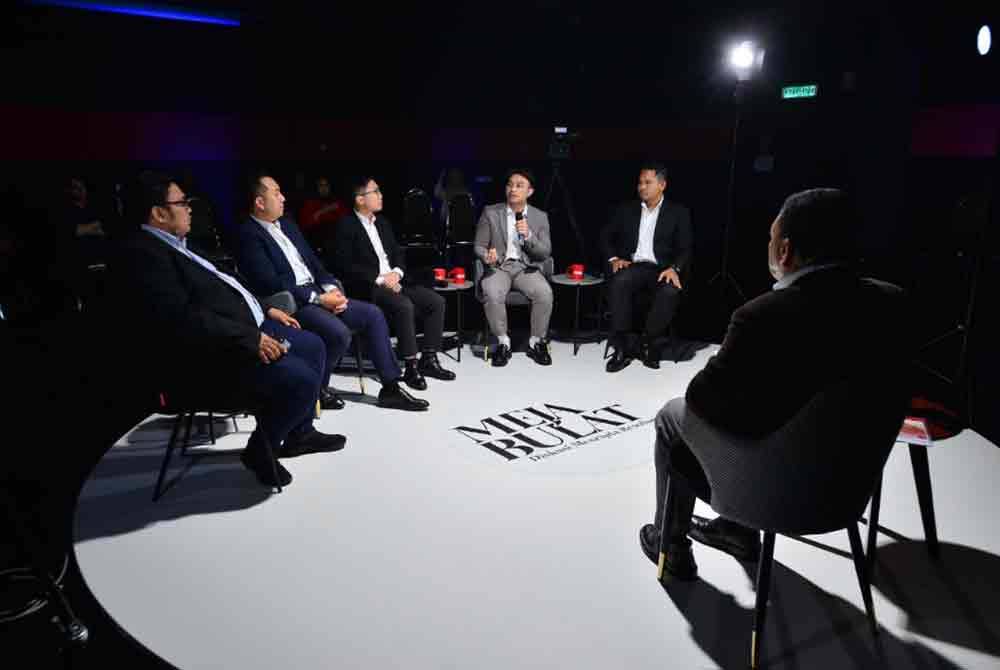
SHAH ALAM – Malaysia’s education system may have a solid foundation and development plan, but it now faces a greater challenge which is sustaining teachers’ passion and restoring students’ confidence in the system.
Bersatu Youth Exco for International and Diplomatic Relations Mohd Afiq Hassan said the current system was actually well-structured, developed through comprehensive policies and frameworks planned by previous governments.
He said the main challenge today lies not in the system itself, but in those within it who were the teachers and students.
"Our system is complete. It’s just that the audience has changed. At the same time, we need to strike a balance in the use of technology so that it eases teachers’ workload instead of adding to it.
"The use of technology in education should not extinguish the true spirit of teaching. If the workload becomes too heavy, that spark will fade and when passion is lost, the quality of teaching also declines," he said during Sinar Harian's "Program Meja Bulat: Adakah Pendidikan Kita Dalam Krisis."
Mohd Afiq also emphasised the importance of continuing good education policies without making excessive changes every time a new minister takes over.
“We don’t need to change what’s already good. The policies and improvements introduced by former education ministers Datuk Dr Radzi Jidin and Dr Maszlee Malik were beneficial. What’s needed now are targeted interventions and refinements, not a complete overhaul of the system," he said.
One major issue raised during the session was the crisis of student confidence in the education system.
He noted that according to data from the Department of Statistics Malaysia, nearly 50 per cent of Sijil Pelajaran Malaysia (SPM) graduates reportedly chose not to pursue higher education.
"This is a crisis we may have overlooked. Many students don’t want to continue studying because they feel the outcome will be the same, same pay, same job opportunities so they lose hope," he said.
He believed this phenomenon must be addressed urgently through a comprehensive approach, strengthening belief in the value of education, introducing more diverse career pathways and ensuring the system remained relevant to current needs.
"When students fail, they immediately feel hopeless. They think even going to university doesn’t guarantee a future. This is the real challenge we must face together," he added.
Afiq also said today’s education system needed stronger government support for parents, to help them educate children in a complex social and technological environment.
Unlike in the past, he said, parents now faced greater challenges where their children’s safety and exposure to information were harder to control.
"In the past, we could play in the park or cycle to the sundry shop without worry. But times have changed. We can’t let our children roam freely like before," he said.
While acknowledging that education started at home, he stressed that the government must act as a support system to help parents shape their children’s character and discipline.
"We’re not blaming anyone. Parents just need support from the government. For example, the decision to limit mobile phone ownership to students aged 16 and above is a good step.
"It helps build more disciplined students who aren’t overly exposed to uncontrolled information," he said.
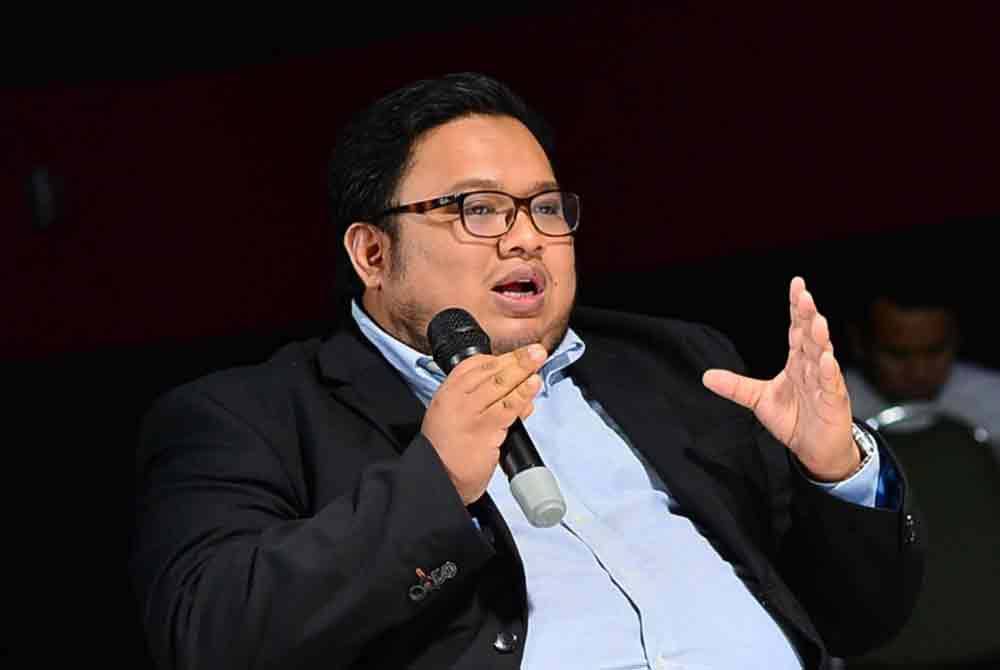
He also welcomed the government’s plan to introduce a character-building subject next year, which he said could serve as a moral and emotional safeguard for youths in an open digital world.
"We’re living in an era that’s unfamiliar to us. Young children are given gadgets at restaurants and we see it as normal. But we don’t even know if this ‘new normal’ is truly good or bad for them," he said.
Afiq clarified that the abolition of Ujian Pencapaian Sekolah Rendah (UPSR) and Pentaksiran Tingkatan Tiga (PT3) did not mean the end of the academic assessment altogether.
No, he said there were Academic Session Final Assessment (UASA) for Year 4 to Form 3 students.
He said this was similar to a year-end exam, but teachers have the flexibility to choose questions based on their students’ learning environments.
He added that this approach would be fairer to students in rural areas.
He also rejected an entirely exam-based assessment system, saying it created unnecessary pressure and ignored students’ individual potential.
"The success of an education system isn’t measured solely by grades but by its ability to produce confident, disciplined students who can adapt to change.
"We’re killing students’ potential too early with the current system. For example, a student who gets six Bs might just be a late bloomer.
"Yet we place them in a lower class simply because they don’t have As, even though they might be diligent and consistent learners," he said.
Download Sinar Daily application.Click Here!