When survival comes first: How PPR children’s learning is being undermined
The challenges they face are systemic, not due to individual shortcomings.


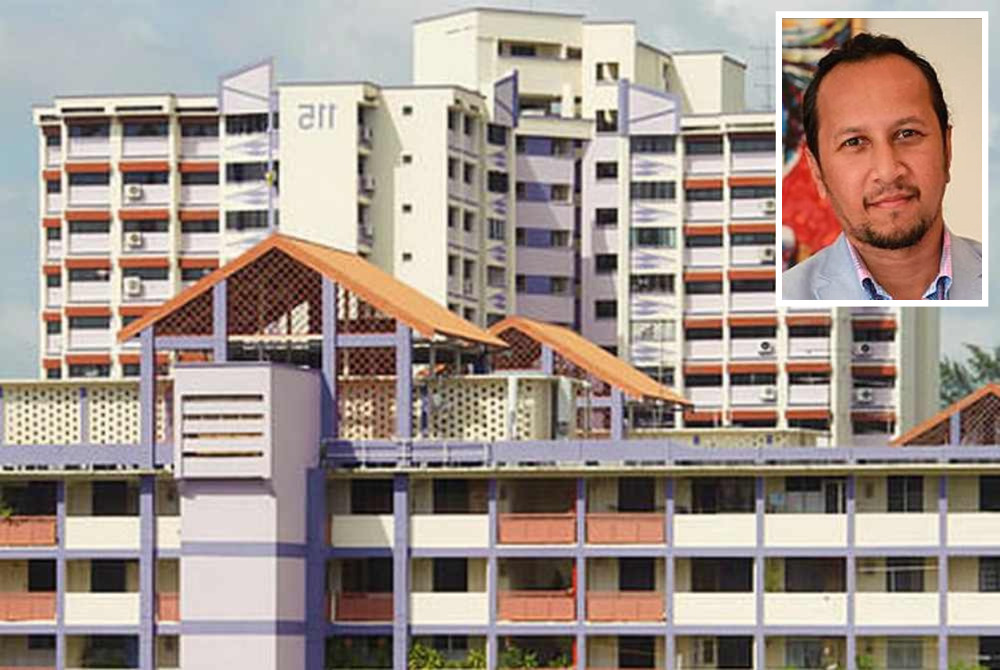
SHAH ALAM - Children growing up in the People’s Housing Programme (PPR) areas are facing mounting pressures that force them to prioritise survival over education, creating obstacles that threaten their long-term future.
Research Fellow at Institute of Malaysian and International Studies, Universiti Kebangsaan Malaysia Dr Muhammed Abdul Khalid said the main challenges faced by PPR children were not caused by laziness or a lack of effort, but by layered and systemic pressures experienced from an early age.
He said children in such environments were more focused on survival than learning.
"Besides that, they also lack social capital compared with peers from higher-income areas. The challenges they face are systemic, not due to individual shortcomings.
"The most critical problems faced by children growing up in PPR areas are not only due to poverty in the sense of insufficient money, but also multidimensional poverty," he said.
Muhammed said the core source of stress stemmed from household income that was not aligned with the cost of living, particularly in urban areas.
He also highlighted environmental constraints such as cramped living spaces, noise, lack of privacy and psychological stress, all of which made it difficult for children to concentrate on their studies.
He said a United Nations Children's Fund study titled "Ranjau Sepanjang Jalan", released this year, found that one in two children living in low-cost flats did not receive enough food, with some going to bed hungry or attending school without eating.
He said the situation directly affected learning concentration and early childhood development.
"Despite facing various pressures, their examination results are almost on par with the national average, which shows the resilience of these children and the future potential that could be achieved if they were given sufficient opportunities.
"In short, the most critical issue is an unconducive living environment that limits their chances to grow like other peers," he said.
Muhammed stressed that solutions for PPR children must involve a holistic and multi-directional approach.
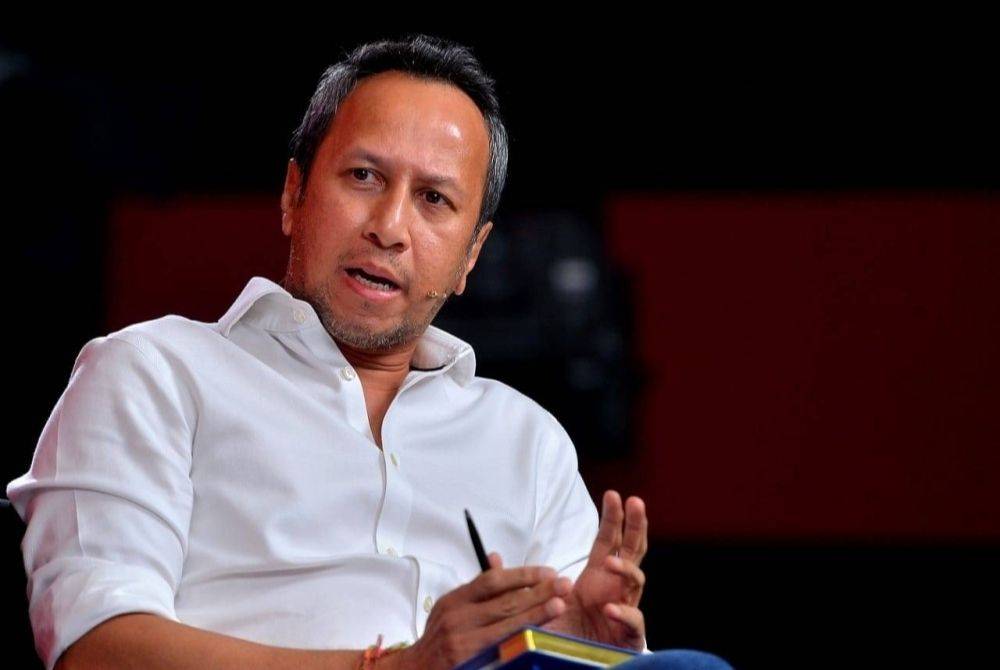
He said wages should be based on a living wage model to ensure household heads, particularly those in the B40 group, earned enough to survive in cities.
He also called for the expansion of social protection schemes such as the Employees Provident Fund and Social Security Organisation to cover informal and gig workers.
In addition, he said safe spaces, quality early education and redesigned long-term PPR housing models that prioritised quality of life, adequate facilities, lower density and safe recreational access were crucial.
Muhammed further suggested reforms to existing aid schemes, particularly the Rahmah Basic Contribution, to better reflect the real needs of vulnerable families.
Download Sinar Daily application.Click Here!