Why Malaysia’s obsession with mainstream sports is killing Olympic dreams
While young athletes make history, national policy remains trapped in outdated priorities and a dangerous dependence on “popular” sports.
ASHWIN KUMAR WAN AHMAD ATARMIZI
SHAH ALAM – Malaysia’s continued fixation on a small group of popular sports is increasingly at odds with its ambition to produce future Olympic champions.
Even as niche disciplines deliver historic results on the international stage, they remain held back by low visibility, inconsistent government funding and a persistent stigma that they are “exclusive” sports unworthy of priority support.
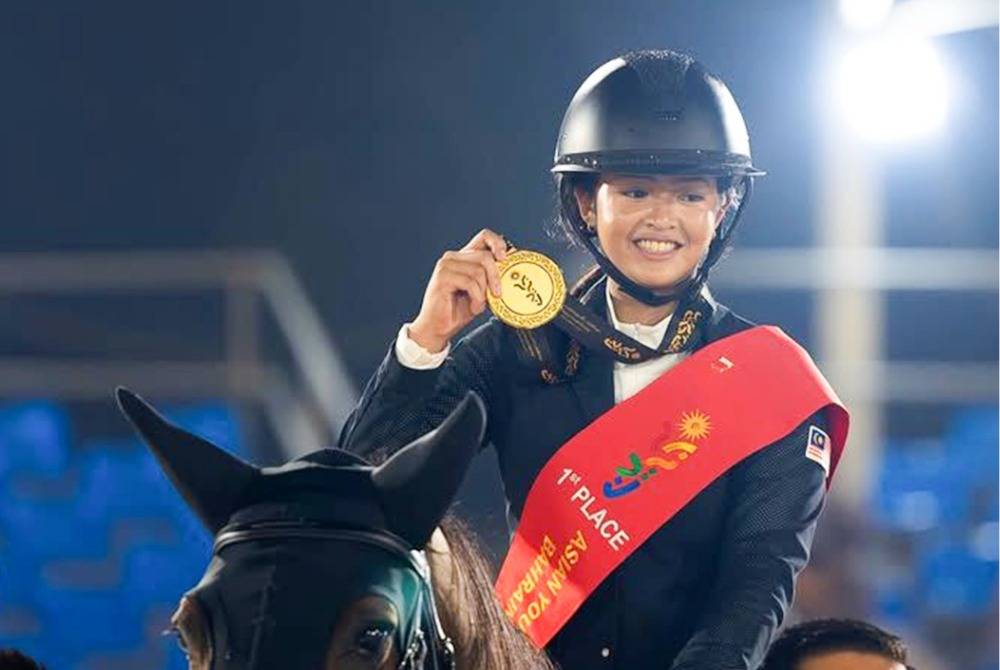
The discourse over the nation’s skewed sports priorities has intensified after Sharifah Ariel Budriah Jamalullail’s breakthrough equestrian gold at the 3rd Asian Youth Games (AYG) in Manama, Bahrain.
The 15-year-old’s win has renewed urgent calls for Malaysia to rebuild its grassroots system and invest consistently across all sports — not only those deemed “mainstream.”
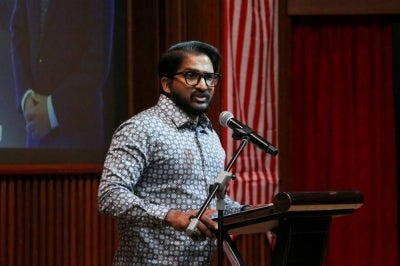
Sports Academy deputy director for consultancy and community relations Dr Samir Muhazzab Amin said Malaysia stands to gain significantly more medals at international sporting events if greater attention is allocated to "niche" sports that have long been overlooked.
He believed that strategic diversification by the Youth and Sports Ministry can elevate the country’s overall performance on the global stage.
“Developed nations have long demonstrated that widening the scope of sports development helps them secure higher medal counts across major competitions such as the Olympics and World Championships.
“I would argue that Malaysia should adopt a similar approach by strengthening support for non-mainstream sports that currently receive minimal exposure and funding,” he told Sinar Daily.

He stressed that niche sports offer Malaysia real medal opportunities because they face less crowded global competition. This, he added, is the strategic advantage which the country continues to ignore.
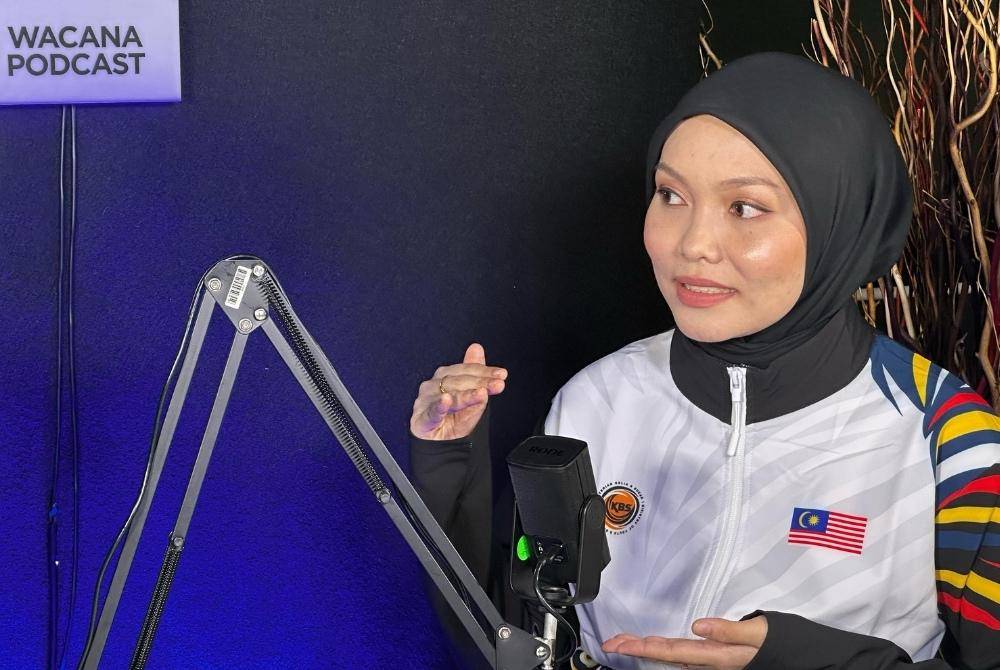
Young stars such as Sharifah Ariel and lawn bowls champion Nor Farah Ain Abdullah have proven Malaysia can excel internationally but their progress comes despite minimal government support.
Samir urged the Youth and Sports Ministry to identify and prioritise disciplines with realistic medal prospects.
But he argued that such as shift would require investments in specialised training facilities, robust grassroots development, psychological support systems and world-class equipment and athlete performance research.
Athletes in niche sports should also be given fair access to professional coaching, international exposure and financial assistance similar to those competing in high-profile disciplines.
He further emphasised that equitable development is crucial for a truly competitive sports ecosystem.
Another long-standing concern, he stated, was the political influence that often accompanies increased funding allocations.
"Excessive interference could disrupt athlete development and stifle potential," he warned, urging for a clearer separation between technical and political decision-making to ensure governance remains transparent, professional and merit-driven.
Sports analyst Datuk Dr Pekan Ramli viewed Sharifah Ariel’s achievement as a source of immense national pride but cautioned that the challenge lies in the transition to the senior level.
“Malaysia has a track record of letting young talents wither because the long-term support simply isn’t there,” he said.
Citing equestrian as the perfect example, he said the sport is suffocated by the perception of elitism. “That mindset has to go if we want to expand,” he stressed.
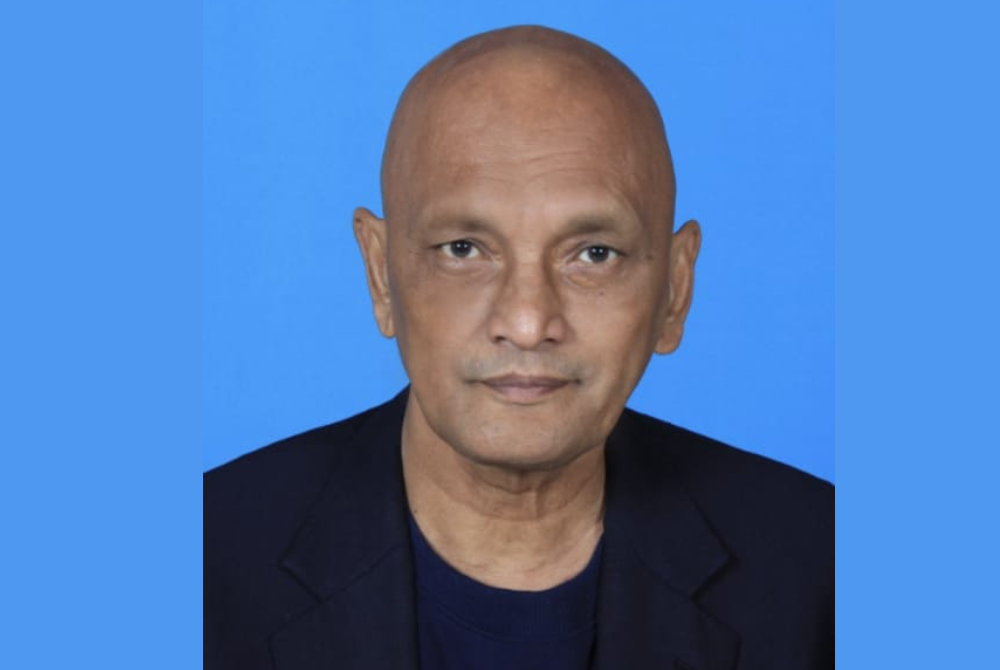
Pekan also warned that Malaysia’s reliance on badminton and diving for Olympic medals is a dangerous gamble in a hyper-competitive global landscape. “Real champions start from the young and through stable, dedicated funding, not by chasing trends,” he added.
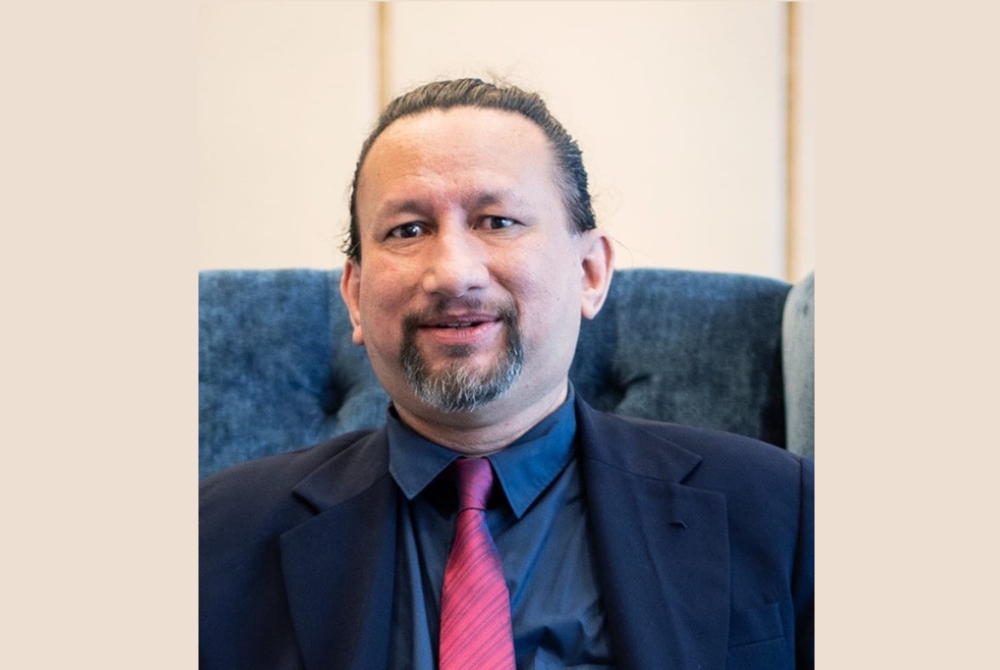
Seasoned journalist Graig Nunis argued that Sharifah Ariel’s breakthrough was the latest evolution of a foundation built over decades.
“Sharifah Ariel’s gold medal is a major milestone, but it builds on a robust equestrian legacy.
“Malaysia’s success in this field is long-standing, largely pioneered by the Mahamad Fathil family; Quzier Ambak, Mohd Qabil Ambak and Quzandria Nur,” he told Sinar Daily.
He revealed that Qabil’s dressage gold at the 2022 Asian Games proved Malaysia’s pedigree, and Sharifah’s win solidifies hope for the 2025 cycle.
However, success does not always equate to support. Graig described that niche sports suffered from a "seasonal visibility" trap.
Without sustained media coverage, these disciplines struggle to maintain the public interest necessary to attract commercial sponsors.
He suggested that other sports could learn from esports, which successfully transitioned from a niche hobby to a commercial powerhouse through dedicated broadcast channels.
Graig also directly addressed the "funding elephant in the room":
“Football and badminton attracted enough commercial interest to self-sustain, yet football recently received RM30 million despite the ‘doctored documents’ scandal.
“Redirecting even a fraction of such funds to consistent medal-delivery sports could revolutionise facilities, coaching and development pathways for young athletes.”
However, former National Sports Institute chief executive officer Datuk Dr Ramlan Abd Aziz, while acknowledging the grim reality, said niche sports must fight harder because government mechanisms routinely overlook them.
Ramlan, who is also vice-president of the Malaysian Association of Dodgeball, admitted that navigating the funding system requires relentless lobbying, diplomacy and early applications which are conditions that favour well-connected sports, not emerging ones.
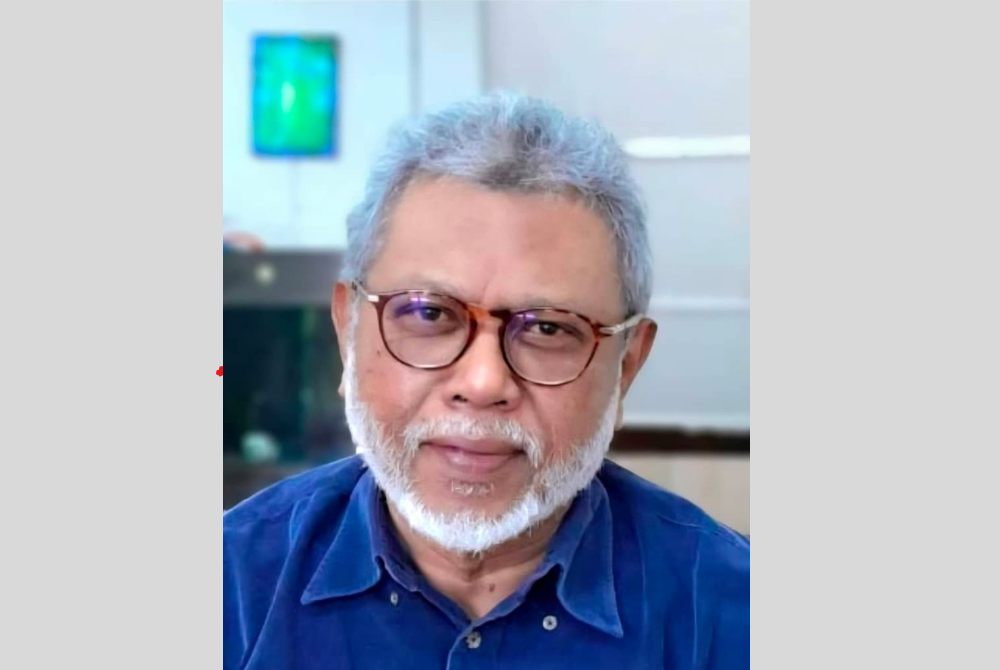
He cautioned athletes and associations not to remain passive, saying they should not simply sit back and expect others to treat them fairly when it is easy to be overlooked in the industry.
"Keep trying. If you feel that you deserve something, whether in terms of rewards, incentives, or continuous support. You can always write to the National Sports Council,” he said.
The government has in the Budget 2025 allocated over RM230 million for national sports. While specific funding was announced for popular sports like e-sports, football, and cricket, the budget also addressed niche and non-mainstream sports through general grants and tax incentives.
Sharifah Ariel secured the gold medal with a 29.85-second jump-off that beat Iraq and UAE riders. Her victory, alongside team mates Arissa Audreyna, Sonia Aisyah and Elly Poh — proves that Malaysia has world-class talent but the real test is whether the country – through the national sports policy – is prepared to rise to their level.
Download Sinar Daily application.Click Here!