Starting Year One at six an appropriate move, says education expert
The move was reasonable as most countries around the world begin primary education at that age.


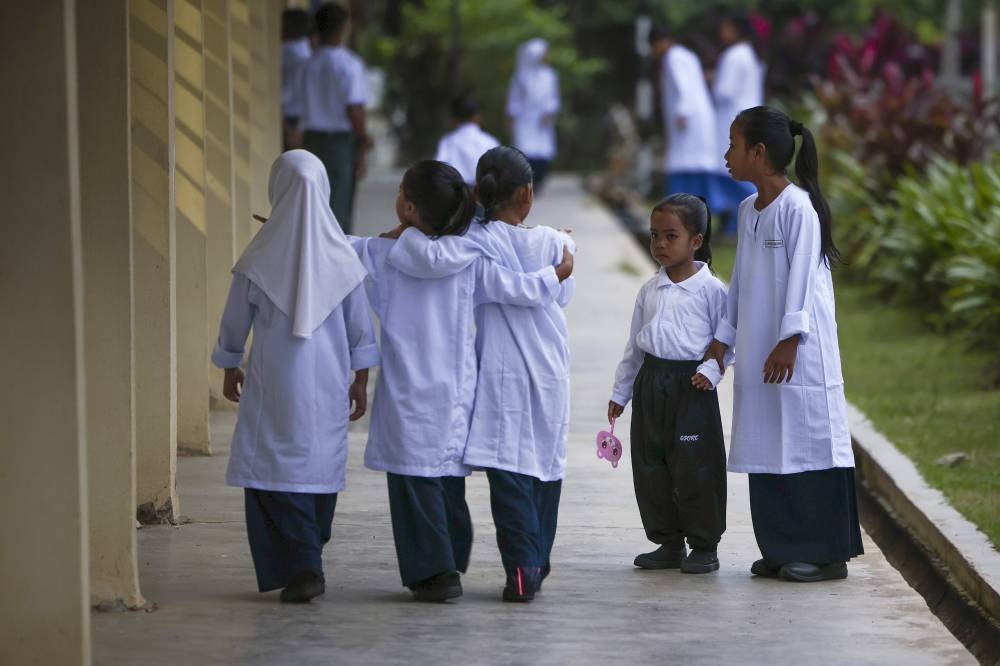
SHAH ALAM – The move to allow children to begin Year One schooling at the age of six is seen as an appropriate step, provided both parents and children are genuinely ready from next year.
Universiti Kebangsaan Malaysia education expert Dr Anuar Ahmad said the move was reasonable as most countries around the world begin primary education at that age.
"With today’s environment, our children are already exposed to various forms of media and social interaction. It is therefore better for them to enter school earlier, as this allows them to gain more positive experiences at a young age within the school environment.
"In my view, starting formal schooling at the age of six is a good, aligned and suitable step, consistent with practices in developed countries. It brings significant benefits when children begin their schooling journey earlier.
"They are able to interact with peers, learn independence at an earlier stage and manage their learning. I think this is a correct move," he said in an interview with Sinar.
Prime Minister Datuk Seri Anwar Ibrahim on Tuesday announced that Year One schooling will begin at the age of six from next year, while preschool enrolment will start at the age of five.
He made the announcement when launching the National Education Plan 2026–2035 in Putrajaya.
Anwar said the change would not be made compulsory for parents, allowing time for all parties to prepare for the new educational environment, particularly educators.
Meanwhile, when asked about school preparedness following a possible sharp increase in new student enrolment, Anuar said the matter was among the issues that required serious attention from relevant authorities.
However, he expressed confidence that the Education Ministry had carefully considered the decision before announcing it.
"I believe the Education Ministry is aware of this issue. When six-year-olds are allowed to enter Year One next year, they will overlap with seven-year-olds who are also entering Year One.
"As a result, the number of pupils is likely to be much higher than usual," he said.
According to Anuar, the biggest challenges in implementing the policy would involve the number of teachers and the shortage of classrooms.
Commenting on the introduction of assessments or examinations for Year Four primary school pupils beginning this year, Anuar said the move was also appropriate.
"I have long supported the practice of having centralised assessments at the primary school level. I previously suggested that examinations or assessments should be conducted earlier, rather than waiting until the Primary School Achievement Test at Year Six.
"The announcement that a form of learning matrix or assessment test will be introduced at Year Four is something I welcome and should indeed be implemented.
"Through this approach, pupil mastery can be monitored earlier. For those who have yet to grasp the learning content, there remains a two-year period, namely Year Five and Year Six, for intervention measures to be carried out," he said.
Download Sinar Daily application.Click Here!