MEB 2026 - 2035: Closing the gap, raising the quality, achieving success together
These challenges have made it clear that the country needs a long-term education plan that prepares young Malaysians not just for examinations, but for life.



SHAH ALAM – The fast pace of global change has placed new pressures on Malaysia’s education system, from rapid digitalisation to shifting job demands and rising concerns over student wellbeing.
These challenges have made it clear that the country needs a long-term education plan that prepares young Malaysians not just for examinations, but for life. This is where the Malaysia Education Blueprint 2026–2035 (Rancangan Pendidikan Malaysia, RPM) comes in.
Introduced by the Education Ministry (MoE), the 10 year strategic plan sets out a clear direction for the future of education, with a strong focus on quality learning, equal opportunities and tangible benefits for students, teachers and schools nationwide.
A long-term strategic plan for a rapidly changing world
Unlike short-term education reforms, MEB 2026 - 2035 is designed as a long-term strategy.
It is guided by the National Education Philosophy, which stresses the importance of developing students holistically, intellectually, emotionally, spiritually and physically.
Through this blueprint, MoE aims to ensure that education keeps pace with global changes while remaining rooted in local values. The goal is simple: to build an education system that helps every child reach their full potential, regardless of background or location.
“RPM 2026–2035 is MoE’s commitment to ensuring that every student, regardless of background, has access to quality education for the future of the nation,” the ministry said in a statement..
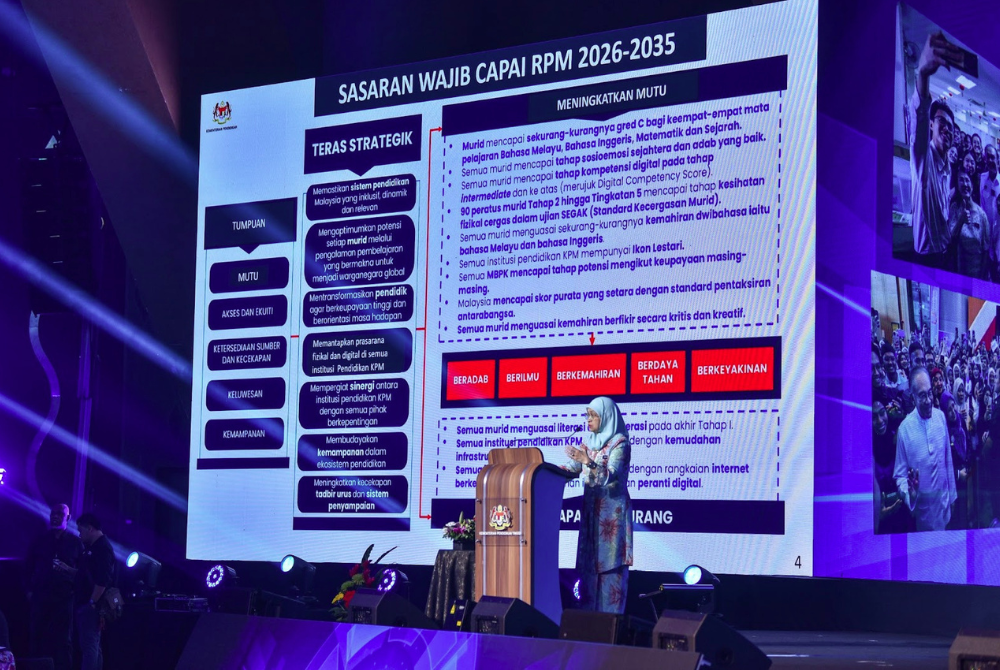
What the blueprint focuses on
RPM 2026–2035 places strong emphasis on improving learning quality, ensuring students gain relevant knowledge and skills for the future. At the same time, it seeks to reduce education gaps, particularly between urban and rural areas and among students from different socio-economic backgrounds.
The plan also examines how schools use resources more efficiently, from funding to facilities, so that improvements are felt where they matter most — in classrooms.
Flexibility and sustainability are key components, allowing schools to adapt to future challenges without compromising stability.
Putting students and teachers first
One of the blueprint’s core priorities is holistic student development.
This includes nurturing not only academic achievement, but also character, emotional wellbeing, digital skills and creativity, so students are better prepared for both work and everyday life.
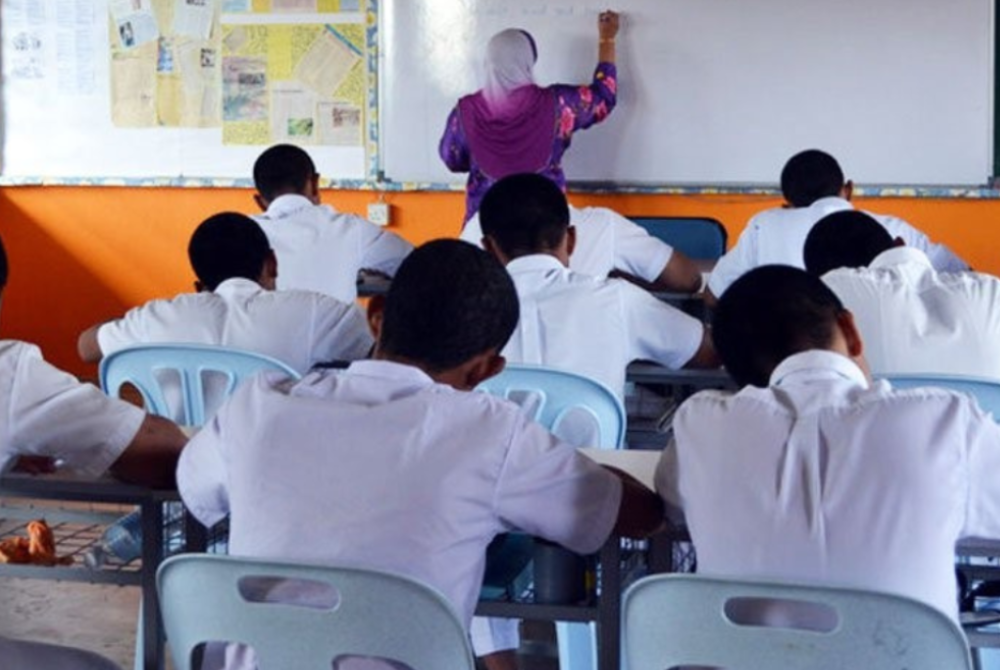
Teachers, meanwhile, are recognised as the backbone of the education system.
“Under RPM, MoE aims to reduce teachers’ administrative workload and strengthen continuous professional development, allowing educators to focus more on teaching and supporting students,” the statement added.
Schools are also set to undergo gradual transformation, with improvements to physical facilities and digital infrastructure, creating safer, more inclusive and modern learning environments for all.
What this means for families and communities
For students, RPM promises a more balanced and supportive learning experience.
For parents, it offers reassurance that their children’s education is being shaped with long-term outcomes in mind. Teachers can expect clearer support systems, while schools are envisioned as spaces that encourage learning, wellbeing and inclusion.
At its core, RPM 2026–2035 reflects MoE’s belief that education is an investment in people, not merely a system to be managed.
Education as a shared responsibility
While MoE leads the implementation of the blueprint, its success depends on cooperation from parents, educators, communities and policymakers alike.
Education does not stop at the school gate; it is a shared responsibility that shapes the nation’s future.
With RPM 2026–2035, Malaysia takes a step towards an education system that is more inclusive, more relevant and more focused on the real needs of its people.
The government introduced the National Education Plan (Rancangan Pendidikan Negara, RPN) 2026–2035, through strategic two plans covering the entire education system, the RPM 2026 - 2035 focuses on the pre school to secondary level, whilst the RPTM (Rancangan Pendidikan Tinggi Malaysia) covers the tertiary education.
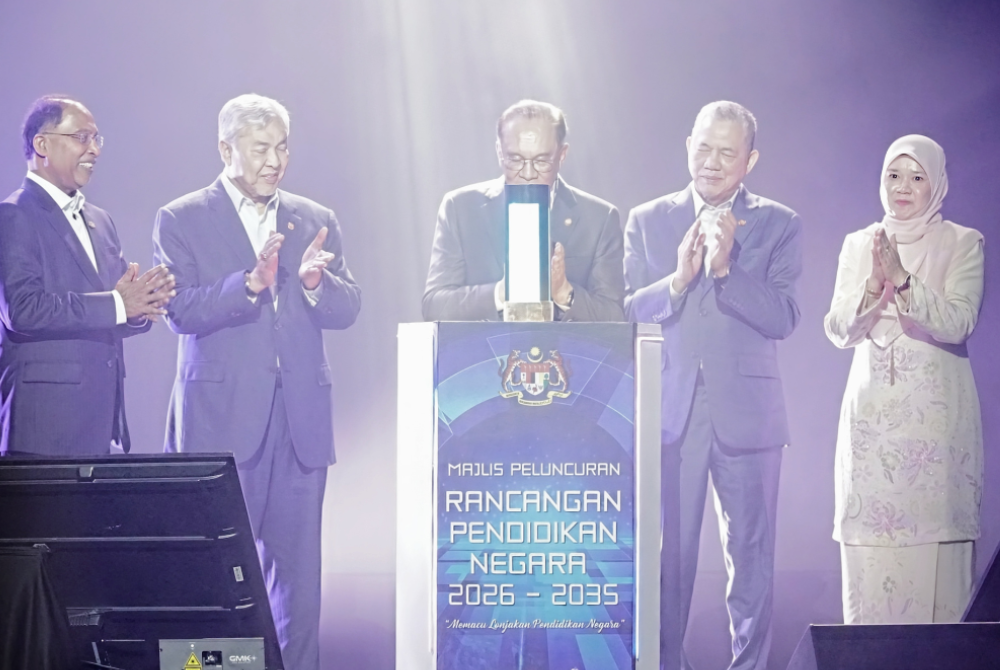
The launch, led by MoE and the Higher Education Ministry (MoHE), took place at the Putrajaya International Convention Centre (PICC) on Jan 20, reflecting the country’s commitment to an inclusive and globally competitive education system.
The plan highlights future-ready talent development, integrating technology and artificial intelligence to prepare students and researchers for a rapidly evolving world.
By aligning school and higher education strategies, the RPN aims to ensure a seamless approach to nurturing skilled, resilient and values-driven individuals capable of contributing meaningfully to Malaysia’s progress.
Download Sinar Daily application.Click Here!