Music education not axed, undergoes strategic makeover in 2027 curriculum
Education reforms aim to balance creativity, socio-emotional development, and academic growth while preserving music education


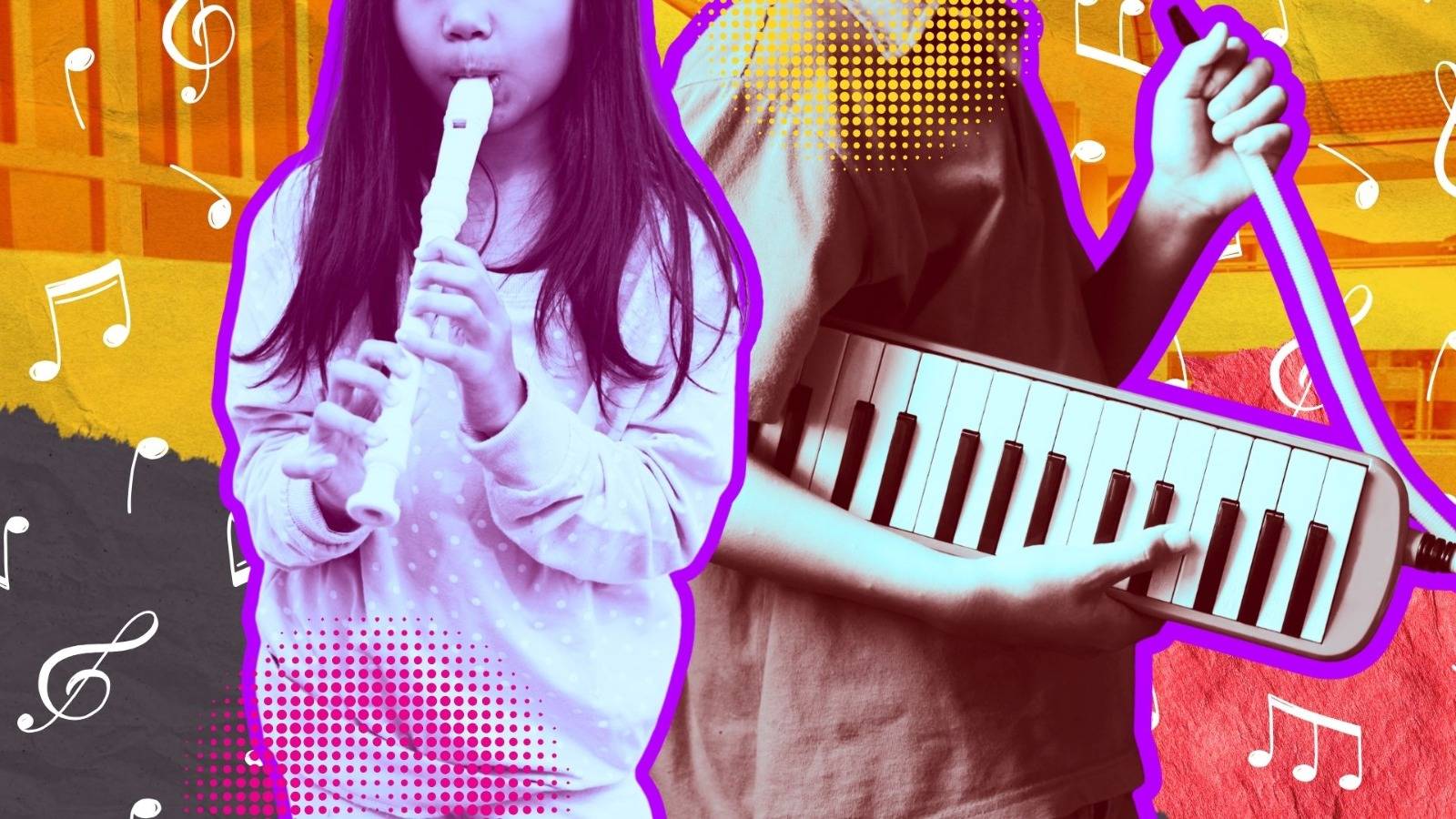
MUSIC education in Malaysian schools is not being abolished but is undergoing a strategic restructuring under the upcoming 2027 School Curriculum. The Education Ministry said the changes are aimed at making the subject a more holistic and balanced learning experience, particularly for younger pupils at the lower primary level.
Under the revised framework, music for Years One to Four will be delivered through Pembelajaran Bersepadu (Integrated Learning) — a model that blends content and skills from multiple disciplines into thematic lessons linked to real-world contexts.
“Integrated Learning at the lower primary level weaves together content and skills from various disciplines, making learning more meaningful and connected to real-world experiences,” the ministry said in an exclusive response to Sinar Daily.
The ministry explained that this approach replaces the traditional “pull-out” model, where music was taught as a standalone subject, with a structure backed by research on socio-emotional development.
“Contemporary studies suggest that traditional boundaries defining music as a separate discipline are increasingly permeable. Integrating music into broader learning ensures it remains relevant and impactful,” it said.
Advocates of this curricular fusion argue that music should serve as a conduit for holistic learning and 21st-century competencies, rather than being taught in isolation.
To ensure music skills are not diluted within the integrated framework, the ministry is introducing Co-Teaching at the lower primary level, with teachers collaborating during planning, delivery and assessment.
“Co-Teaching allows specialised musical skills to be properly taught within thematic lessons, preventing dilution of content in the early years,” the ministry said, adding that two teachers will collaborate to plan, deliver and assess the lessons together.
It emphasised that music will return as a standalone compulsory subject in Years Five and Six, allowing students to receive more focused and intensive instruction.
“Music education remains accessible throughout a student’s journey. In upper primary, it becomes a dedicated subject, continuing into lower secondary, where students may choose between music or visual arts,” the ministry said.
At the upper secondary level, students may opt for specialised electives if they wish to pursue music more seriously.
Concerns emerged recently over reports that music might be dropped as a standalone subject, with critics warning it could weaken a discipline vital for emotional expression, creativity and broader learning outcomes.
In an earlier Sinar Daily report, educators warned that treating music only as an integrated element risks marginalising its identity, making it harder for students to benefit from dedicated instruction that balances academic metrics with creative growth.
Strong standalone music lessons are seen as crucial to the goals of the National Education Plan 2025–2035, which emphasises holistic student development while meaningful engagement can support classroom behaviour, teamwork and confidence.
Addressing concerns over stakeholder consultation, the ministry said it had conducted 21 engagement sessions from February to September 2022, involving teachers, lecturers, parents and the public.
The move toward integrated learning, the ministry explained, aligns the curriculum with critical stages of cognitive and socio-emotional development, ensuring lessons are age-appropriate and manageable.
“Holistic integration addresses any perceived developmental gaps. Students learn music within cultural and historical contexts, often resulting in a deeper understanding,” it said.
Under the 2027 School Curriculum, music education will be accessible to all students in mainstream schools.
Early exposure will be provided through integrated subjects such as Alam dan Manusia: Pembelajaran Bersepadu for Years One and Two and Eksplorasi Seni dan Dunia: Pembelajaran Bersepadu for Years Three and Four. The students can then choose their own pathways as they mature.
The ministry also said a new Character Building Programme will further support socio-emotional growth, guided by a competency-based framework that balances aesthetics, talent development and academic achievement.
“Music remains a vital part of nurturing creativity and emotional balance. Our commitment is to develop well-rounded individuals,” it said.
The 2027 curriculum is part of a wider overhaul that prioritises literacy, numeracy, character building and practical socio-emotional skills through integrated learning classes and competency-oriented teaching.
Download Sinar Daily application.Click Here!